Amaretto vs Disaronno: Understanding the Sweet Italian Rivals
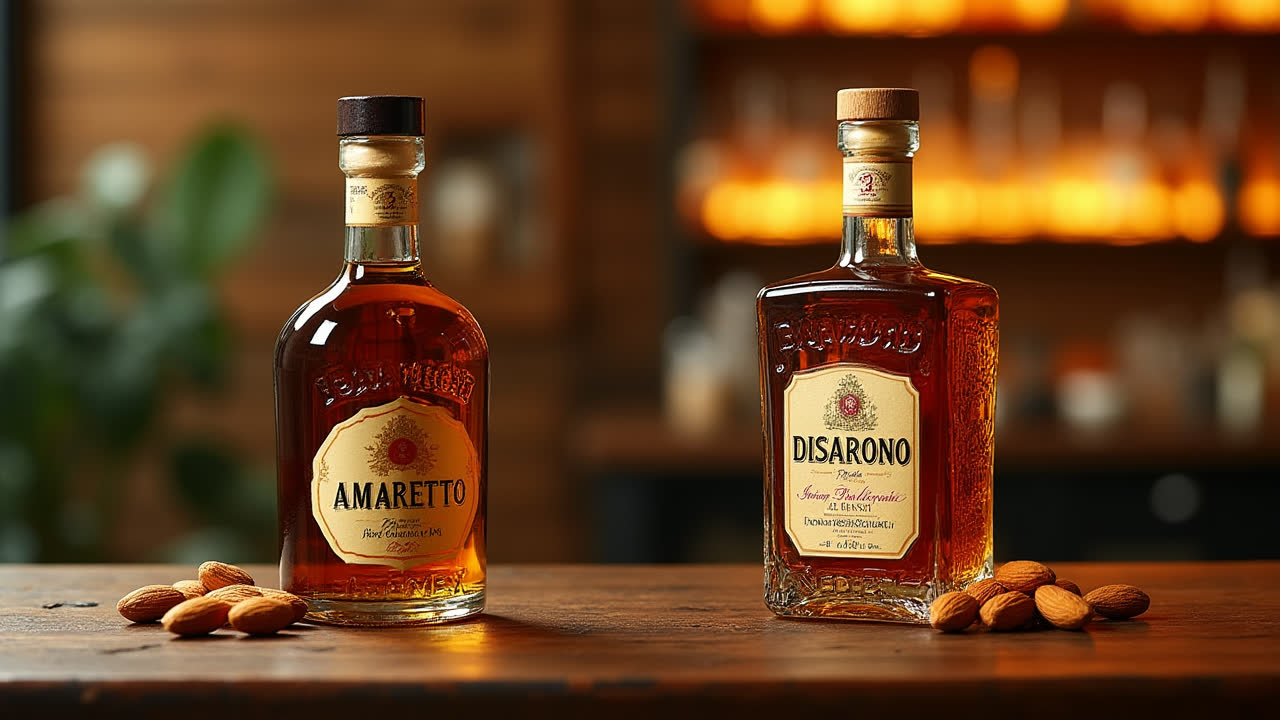
When exploring the world of Italian liqueurs, two names that often create confusion are Amaretto and Disaronno. Many people use these terms interchangeably, but is that correct? I've always been fascinated by the subtle distinctions between similar spirits, and this pair offers an interesting case study. The amber-colored, almond-flavored drinks might seem identical at first glance, but there's more to the story than meets the eye.
As someone who enjoys both in various cocktails and desserts, I've noticed that bartenders sometimes have strong opinions about which one to use in specific recipes. But what exactly makes them different? Is one superior to the other, or do they each have their unique place in the liquor cabinet? Let's dive into the sweet, slightly bitter world of these Italian favorites to uncover their origins, production methods, and best uses.
What Is Amaretto? The Sweet Italian Classic
Amaretto is a sweet, almond-flavored Italian liqueur that has been enjoyed for centuries. The name itself offers insight into its character – "amaro" means "bitter" in Italian, and the suffix "etto" means "little." So Amaretto literally translates to "little bitter," which perfectly describes its unique flavor profile that balances sweetness with subtle bitter notes. This complexity is what makes it such a versatile addition to cocktails and desserts.
Despite what many assume, traditional Amaretto production doesn't always rely on almonds. Many recipes use apricot kernels as the primary flavoring agent, which naturally contain compounds that provide that distinctive almond-like aroma and taste. Some producers use a combination of both almonds and apricot kernels, while others might include various herbs and spices in their proprietary blends. This variation in ingredients contributes to the different taste profiles you'll find across brands.
One thing I've always appreciated about high-quality Amaretto is its balance. The cheaper versions tend to overwhelm with sweetness, masking the more complex bitter almond notes that make this liqueur special. Premium Amaretto usually has a more refined sweetness, allowing those nuanced flavors to shine through. If you've only tried the more commercial brands, you might be surprised by how different a craft Amaretto can taste—it's like comparing supermarket chocolate to artisanal varieties.
While Amaretto originated in Italy, it's now produced worldwide, with each region often adding its own subtle twist to the classic formula. The liqueur typically has an alcohol content between 21% and 28% ABV (alcohol by volume), making it relatively gentle compared to many other spirits. This moderate alcohol level means it can be enjoyed straight, on ice, or as a digestif without overwhelming the palate.
What Is Disaronno? The Branded Amaretto
Disaronno is perhaps the most famous brand of Amaretto in the world, with its distinctive square bottle and iconic cap instantly recognizable on bar shelves everywhere. I remember the first time I noticed that distinctive bottle at a family gathering—my uncle insisted it was "the only real Amaretto" worth drinking. While that might be a matter of personal preference, there's no denying Disaronno's prominence in the category.
What many people don't realize is that Disaronno actually avoids calling itself "Amaretto" on its labels, instead using the phrase "Disaronno Originale" or "Disaronno Liqueur." According to the company, their product is manufactured in Saronno, a town in Italy's Lombardy region, which is where the name comes from. The brand claims a heritage dating back to 1525, with a romantic origin story involving an artist's model creating the original recipe. Whether completely factual or partly marketing legend, this rich history has helped establish Disaronno as the benchmark against which other almond-flavored liqueurs are often measured.
One of the most interesting facts about Disaronno is that, despite its pronounced almond flavor, it contains no actual almonds in its production. This makes it suitable for people with nut allergies who still want to enjoy the almond taste experience. Instead, the company states that their recipe is an infusion of apricot kernel oil with absolute alcohol, burnt sugar, and a secret combination of 17 herbs and fruits. This proprietary blend gives Disaronno its distinctive taste that's immediately recognizable to connoisseurs.
Disaronno maintains a consistent alcohol content of 28% ABV, which places it at the higher end of the typical Amaretto range. The liqueur has a rich amber color derived from caramelized sugar rather than artificial coloring. I've always found that it has a slightly more pronounced vanilla note compared to some other Amaretto brands, which makes it particularly enjoyable when sipped neat or used in coffee-based cocktails.
Amaretto vs Disaronno: Key Differences Compared
| Characteristic | Amaretto (General) | Disaronno |
|---|---|---|
| Classification | Category of almond-flavored liqueur | Specific brand of almond-flavored liqueur |
| Almond Content | Some brands contain real almonds | Contains no almonds despite almond flavor |
| Production | Produced worldwide with varying recipes | Produced exclusively in Saronno, Italy |
| Ingredients | Varies by brand; may include almonds, apricot kernels | Apricot kernel oil, burnt sugar, alcohol, 17 herbs and fruits |
| Alcohol Content | Typically between 21-28% ABV | Consistently 28% ABV |
| Flavor Profile | Varies by brand; generally sweet with almond notes | Sweet with distinctive almond, vanilla, and fruit notes |
| Packaging | Varies by brand | Iconic square bottle with rectangular cap |
| Allergy Considerations | Some may contain nuts (check individual brands) | Nut-free despite almond flavor |
Similarities Between Amaretto and Disaronno
Despite their differences, there are several important similarities that connect these two Italian liqueurs. Both share an Italian heritage that goes back generations and represents an important part of Italy's contribution to global spirit culture. The amber-colored liquids both offer that characteristic almond flavor that makes them instantly recognizable, even if they achieve this flavor through different means.
When it comes to culinary and cocktail applications, both Amaretto and Disaronno can generally be used interchangeably in most recipes. They shine when paired with coffee flavors, which is why they're popular additions to coffee cocktails and desserts like tiramisu. I once made two identical batches of amaretti cookies, one with a generic Amaretto and one with Disaronno, and while there were subtle differences in the final result, both were delicious in their own right.
Both liqueurs also share a similar serving versatility. They can be enjoyed neat, on the rocks, as part of a complex cocktail, or mixed simply with beverages like cola, ginger ale, or coffee. This adaptability has contributed to their enduring popularity in bars and home liquor cabinets around the world. Their moderate alcohol content also places them in the same general category of spirits that can be sipped rather than strictly used as mixing ingredients.
How to Enjoy Amaretto and Disaronno
The versatility of both Amaretto and Disaronno makes them excellent additions to any home bar. Here are some popular ways to enjoy these almond-flavored liqueurs:
- Neat or on the rocks - Sipping either liqueur straight allows you to fully appreciate the complex flavor profile. A small glass with or without ice makes for a perfect digestif after a hearty Italian meal.
- In coffee - Both liqueurs pair beautifully with coffee. Add a splash to your espresso for a quick Italian twist, or create an elevated after-dinner coffee by adding a measure along with a dollop of whipped cream.
- Classic cocktails - The Amaretto Sour is perhaps the most famous cocktail using these liqueurs, combining the sweet almond flavor with fresh lemon juice and sometimes egg white for a silky texture. The Godfather is another classic, simply mixing Amaretto with Scotch whisky.
- Modern mixology - Contemporary bartenders have embraced these liqueurs in creative new ways, pairing them with everything from fresh herbs to smoky mezcal. The French Connection (Amaretto and Cognac) and Alabama Slammer (Amaretto, Southern Comfort, sloe gin, and orange juice) show their versatility.
- Culinary applications - Both make excellent additions to desserts like tiramisu, cheesecake, or ice cream. They can also be used in savory applications, such as a glaze for duck or in almond-crusted fish dishes.
One of my favorite simple ways to enjoy either liqueur is what I call an "Italian Hot Chocolate" – rich hot chocolate with a generous pour of Amaretto or Disaronno and topped with whipped cream. It's perfect for cold winter evenings and takes regular hot chocolate to a whole new level of indulgence.
Frequently Asked Questions
Can people with nut allergies drink Disaronno?
Yes, people with nut allergies can typically drink Disaronno safely because it doesn't contain any actual almonds or nuts in its ingredients, despite having an almond flavor. Disaronno achieves its characteristic taste through apricot kernel oil and other natural flavorings. However, individuals with severe allergies should always check the manufacturer's current ingredients list and potentially consult with their healthcare provider, as production methods and ingredients can change over time.
What's the best substitute for Amaretto in recipes?
If you need a substitute for Amaretto in cooking or cocktails, several options work well depending on your needs. For alcoholic substitutes, Frangelico (hazelnut liqueur) offers a similar sweetness with a different nut profile, or you could use Crème de Noyaux, which has a similar almond flavor. For non-alcoholic alternatives, try almond extract mixed with simple syrup (usually 1/4 teaspoon extract plus 2 tablespoons syrup to replace 2 tablespoons of Amaretto). Orgeat (almond) syrup is another excellent option, especially in cocktails. For baking, you might use amaretto-flavored coffee syrup or even combine almond and vanilla extracts with a bit of sugar.
Does Amaretto or Disaronno expire?
Technically, neither Amaretto nor Disaronno expires, but their quality can degrade over time, especially after opening. Unopened bottles can last indefinitely if stored properly in a cool, dark place. Once opened, both liqueurs should maintain their best flavor for about 1-2 years. You'll know the quality has diminished if the color changes significantly, the flavor becomes noticeably different, or if sugar crystallization occurs. To extend shelf life, always keep bottles tightly sealed and store them away from direct sunlight and heat sources. If your bottle has been open for several years, it's unlikely to be harmful but may not taste as good as a fresh bottle.
Conclusion: Which Should You Choose?
When deciding between Amaretto and Disaronno, there's no objectively "correct" choice – it ultimately comes down to personal preference and specific needs. If you have nut allergies, Disaronno offers the almond flavor experience without any actual nuts. If you're a purist looking to explore different interpretations of the almond liqueur category, trying various Amaretto brands might be more rewarding.
For most cocktail recipes that call for "Amaretto," Disaronno will work perfectly well as it's essentially the category-defining brand. However, craft cocktail enthusiasts might find that different Amaretto brands bring unique characteristics to specific drinks. The slight variations in sweetness, bitterness, and complementary flavor notes can make a subtle but noticeable difference in the final result.
I've found that having both in my home bar is ideal – Disaronno for classic cocktails and when entertaining guests who recognize the brand, and perhaps a craft Amaretto for when I want to experiment with slightly different flavor profiles. But if you're just starting out or have limited space, Disaronno is probably the more versatile choice with its consistent quality and recognizable taste.
Whichever you choose, both of these sweet Italian liqueurs have earned their place in cocktail culture and culinary traditions. Their rich heritage and distinctive flavor profiles ensure they'll remain favorites for sipping and mixing for generations to come. Cheers, or as the Italians would say, "Salute!"