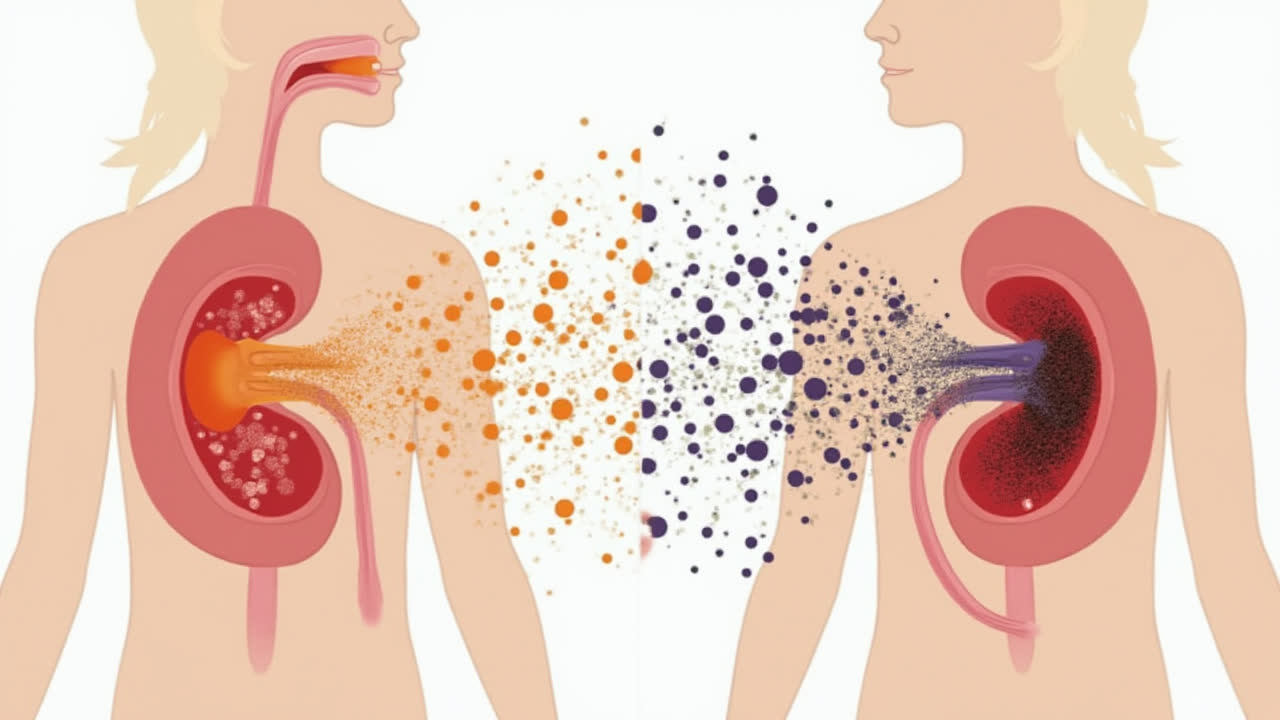
Anger vs Hate: 7 Critical Differences You Need to Understand

The difference between anger and hate impacts how we navigate our emotional landscape. Have you ever wondered why some emotions seem to pass quickly while others linger for years? Understanding these distinctions isn't just academic—it's essential for our mental well-being and relationships.
I've spent years observing how these emotions manifest in both myself and others. What continues to fascinate me is how two seemingly similar negative feelings can produce such dramatically different outcomes in our lives. The way we process anger versus how we harbor hatred reveals much about human psychology.
Understanding Anger: The Temporary Storm
Anger serves as our emotional alarm system—a signal that something isn't right. It's like a sudden thunderstorm that appears quickly, pours intensely, and then often clears just as rapidly. When I spilled coffee all over my laptop last month, I felt that immediate surge of frustration and anger. But within hours, that feeling had subsided substantially.
This transient nature is one of anger's defining characteristics. It typically emerges as a response to a specific trigger or situation that threatens our well-being, values, or goals. The psychological function of anger is primarily protective—it motivates us to address immediate threats or obstacles.
Anger triggers several physiological responses in our bodies. Our heart rate increases, our breathing becomes more rapid, and stress hormones like adrenaline flood our system. These bodily changes prepare us for the classic "fight or flight" response. But these physical manifestations, while intense, are designed to be temporary.
What makes anger different from hatred is its potential constructive role. When channeled appropriately, anger can motivate positive change. I once became angry about poor service at a local restaurant and wrote to the management. Not only did they respond positively, but they implemented training that improved the experience for all customers. The anger served its purpose and then dissolved, leaving no lasting negative impact on my emotional state.
Communication often helps dissipate anger. Simply expressing our frustrations—whether through conversation, writing, or physical activity—provides an outlet that helps the emotion pass more quickly. This release valve is a crucial difference between anger and more persistent negative emotions.
Exploring Hate: The Persistent Shadow
While anger arrives like a storm, hatred develops like a slow-growing poison. It doesn't typically appear instantly but rather builds gradually over time. Often, hatred forms after repeated exposure to situations or people that cause us pain, disappointment, or threat.
The psychological impact of hate runs deeper than anger. Where anger responds to a situation, hatred attaches to the entire person, group, or entity. It becomes less about what someone did and more about who they fundamentally are. This generalization makes hatred particularly destructive.
I've witnessed how hatred can transform people. A colleague who initially expressed occasional anger about workplace discrimination eventually developed a deep-seated hatred toward management. Over time, this hatred didn't just affect his work relationships—it colored his entire worldview and even impacted his physical health.
Unlike anger, which typically motivates us to resolve a situation, hatred often drives us toward more extreme thoughts and actions. The desire for revenge, permanent separation, or even destruction of the hated object becomes more prominent. These desires can persist for years or even decades, showing the remarkable staying power of hatred compared to anger's relative brevity.
Perhaps most concerning is how hatred tends to generalize beyond its original target. What begins as hatred toward a specific person can expand to include others associated with them, their entire social group, or anyone who shares certain characteristics with them. This widening circle of hatred can eventually consume significant portions of a person's emotional life.
The Neuroscience Behind Anger and Hate
Modern neuroscience has revealed fascinating distinctions between these emotions in our brains. Anger primarily activates the amygdala (our emotional processing center) and parts of the prefrontal cortex that regulate impulse control. This activation pattern explains why anger feels urgent but can still be managed through rational thought.
Hatred, however, shows a more complex neural signature. Studies using functional MRI have found that hatred activates not only emotional centers but also regions associated with motor planning—as if the brain is literally preparing for action against the hated object. More troubling, hatred appears to deactivate parts of the brain associated with empathy and moral reasoning.
The chemical signatures differ as well. Anger produces a quick surge of adrenaline and noradrenaline—hormones designed for short-term action. Hatred, by contrast, involves more sustained hormonal changes, including elevated cortisol levels over longer periods. These persistent chemical changes help explain why chronic hatred has been linked to numerous health problems, from cardiovascular disease to weakened immune function.
I attended a neuroscience conference last year where a researcher presented compelling evidence that prolonged hatred actually reshapes neural pathways. It's as if the brain becomes increasingly efficient at producing this emotion, making it harder to overcome with time. This neural "practice effect" helps explain why deeply entrenched hatred can be so resistant to change.
Comparative Analysis: Anger vs Hate
| Aspect | Anger | Hate |
|---|---|---|
| Duration | Usually temporary, minutes to hours | Persistent, can last years or decades |
| Intensity | Moderate to high, but fluctuates | Deeply intense and more consistent |
| Target | Often specific actions or situations | Entire person, group, or entity |
| Physiological Impact | Temporary activation of stress response | Chronic stress with long-term health consequences |
| Psychological Function | Alerts to threats, motivates resolution | Creates distance, dehumanizes others |
| Expression | Often verbal, direct confrontation | May be hidden, indirect, or planned |
| Resolution Potential | Often resolvable through communication | Requires deeper intervention, harder to resolve |
| Impact on Relationships | Can damage temporarily but repair is possible | Often permanently severs connections |
Cultural and Social Dimensions
Different cultures approach anger and hatred in remarkably varied ways. In some East Asian cultures influenced by Confucian philosophy, the open expression of anger is often discouraged as it disrupts social harmony. In contrast, certain Mediterranean cultures accept more direct expressions of anger as normal and even healthy.
I was struck by this distinction while living abroad for several years. My Japanese colleagues would rarely display overt anger, yet sometimes harbored deeper resentments that surfaced in subtle ways. My Italian friends, conversely, might have fierce but brief arguments that seemed to clear the air without lasting animosity.
Social media has transformed how these emotions manifest in modern society. The anonymity and distance of online interaction seem particularly conducive to hatred rather than simple anger. What might begin as angry comments can quickly escalate to sustained campaigns of hatred when the normal social constraints are removed.
Political discourse offers another window into these differences. Anger about specific policies can be channeled into constructive activism and advocacy. But when political disagreements transform into hatred for entire groups of people, democratic processes themselves can be threatened. I've watched this transformation happen in several countries—the shift from healthy political anger to destructive political hatred represents one of the greatest challenges to modern democracies.
Healthy Ways to Process Both Emotions
Recognizing the difference between anger and hate is the first step toward healthier emotional processing. For anger management, techniques like deep breathing, temporary withdrawal from triggering situations, and physical exercise have proven effective. The goal isn't to eliminate anger entirely—it's to express it appropriately without causing harm.
Hatred requires different approaches. Because it's more deeply rooted, overcoming hatred often involves more profound psychological work. This might include:
- Developing empathy for the hated person or group through perspective-taking exercises
- Exploring the psychological needs that hatred might be serving in your life
- Practicing forgiveness—not necessarily reconciliation, but releasing the emotional burden
- Seeking professional help when hatred becomes overwhelming or unmanageable
- Challenging the overgeneralizations that fuel hatred through cognitive restructuring
I've found mindfulness particularly powerful for addressing both emotions. By observing anger or hatred without immediate reaction, we create space to choose our response rather than being controlled by the emotion. During a particularly difficult period in my life, daily meditation helped me recognize hatred developing before it took deep root.
Surprisingly, one of the most effective antidotes to hatred is finding common ground with the hated person or group. This doesn't mean overlooking genuine harm or injustice, but rather recognizing shared humanity despite significant differences. Contact theory in social psychology suggests that meaningful interaction with members of disliked groups often reduces prejudice and hatred—I've seen this principle work in practice numerous times.
Frequently Asked Questions
Can anger ever be positive or healthy?
Yes, anger can definitely be positive when it motivates constructive action. Many social justice movements began with righteous anger about inequalities or injustices. The key is channeling anger productively rather than destructively. Healthy anger identifies problems, energizes us to address them, and then subsides once appropriate action has been taken. In personal relationships, expressed appropriately, anger can signal important boundaries and needs that might otherwise be overlooked.
Is hatred always harmful, or can it serve a purpose?
While hatred is generally more destructive than constructive, it can serve protection functions in specific circumstances. Hatred toward genuinely harmful ideologies or practices (rather than people) can help maintain strong boundaries against destructive influences. However, even in these cases, hatred tends to exact a high psychological cost from the person experiencing it. Most psychological research suggests that even when hatred seems justified, finding more nuanced emotional responses usually leads to better outcomes both personally and socially.
How can I tell if I'm experiencing anger or if it has developed into hatred?
Several signs indicate that anger might be transforming into hatred. If your negative feelings persist long after the triggering incident, if you find yourself thinking about the person or situation repeatedly even when not directly affected by them, or if you begin to view the entire person or group as fundamentally bad rather than objecting to specific actions, hatred might be developing. Another warning sign is when you start experiencing satisfaction at the thought of harm coming to the other person. If you notice these patterns, it may be time to seek support from a mental health professional to address these feelings before they become more entrenched.
Conclusion: Moving Beyond Negative Emotions
The journey from understanding the difference between anger and hate to actually managing these emotions effectively is challenging but worthwhile. Both emotions will inevitably arise in our lives—the question is how we respond to them.
Perhaps the most important insight is that neither emotion defines us unless we allow it to. Anger can come and go without leaving a permanent mark on our character. Even deeply rooted hatred can be transformed through conscious effort and appropriate support.
"Holding onto anger is like drinking poison and expecting the other person to die." This ancient wisdom applies even more powerfully to hatred.
I've watched people transform the energy of both emotions into remarkable positive change. A woman I know channeled her initial anger about childhood abuse into creating support networks for survivors. Rather than allowing hatred to consume her, she redirected that powerful emotional energy toward healing and prevention.
Understanding the distinct nature of anger versus hatred gives us more options for responding to life's inevitable challenges. With this knowledge, we can work toward emotional responses that serve rather than undermine our well-being and relationships.
The next time you feel anger rising, remember its typically temporary nature and look for healthy ways to express and release it. And if you recognize the deeper patterns of hatred developing, take it as a signal that more profound emotional work might be needed. In either case, you're not alone—these universal human emotions connect us all in our shared experience.