Blush vs Highlighter: Complete Guide to Cheek Makeup Products
Blush vs Highlighter: Complete Guide to Cheek Makeup Products
When it comes to creating a glowing, dimensional makeup look, blush and highlighter are two essential products that make all the difference. If you've ever wondered about the difference between these two makeup staples or how to use them effectively, you're not alone. I remember my first makeup shopping trip where I stood confused in front of shelves lined with various cheek products, wondering what exactly each one did!
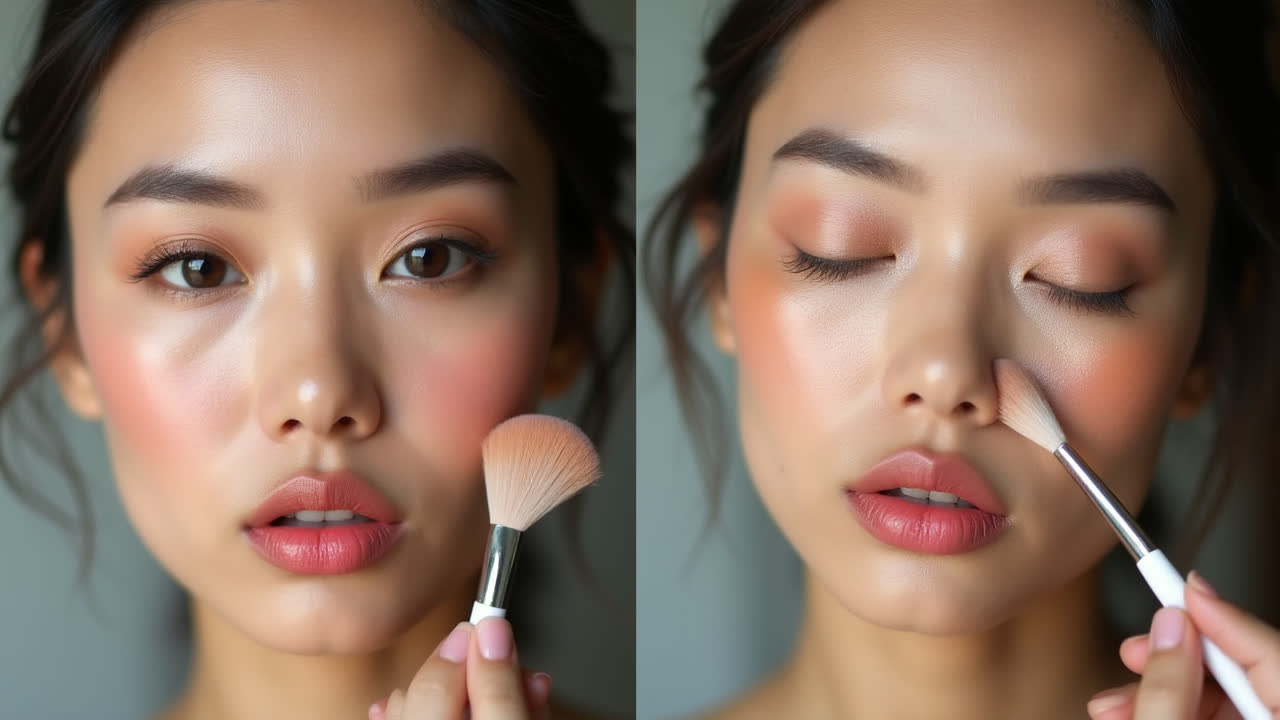
Understanding the distinction between blush and highlighter can transform your makeup routine and enhance your natural beauty in different ways. These products serve unique purposes - blush adds color and warmth to your face, while highlighter creates dimension and brings forward your best features by catching the light. The right application of both can give you that coveted radiant complexion that looks both natural and polished.
In this comprehensive guide, I'll break down everything you need to know about these popular makeup products, from their primary differences to application techniques and how to choose the right formulas for your skin type. I've spent years perfecting my makeup techniques, and I'm excited to share some of my personal discoveries along the way!
What is Blush? Definition and Features
Blush is a makeup product specifically designed to add color to your cheeks, creating a natural-looking flush that mimics the way your face might naturally redden when you're warm or excited. It's one of the oldest makeup products, with variations dating back thousands of years when women would use natural pigments from berries and plants to add color to their cheeks.
The primary purpose of blush is to bring warmth and vitality to your complexion. Have you ever noticed how your face can look a bit flat and one-dimensional after applying foundation? That's exactly where blush comes in - it restores that natural, healthy-looking color to your face that might be masked by your base makeup. Even on days when I skip foundation, a touch of blush instantly makes me look more awake and refreshed.
Blush comes in various formulations to suit different preferences and skin types. Powder blush has been the traditional favorite for many makeup enthusiasts due to its ease of application and blendability. It works particularly well for those with oily skin as the powder formula helps to absorb excess oil throughout the day. Cream blush, on the other hand, has gained immense popularity in recent years for its dewy, natural-looking finish that melts beautifully into the skin. This formula is especially flattering for those with dry or mature skin as it provides additional hydration and doesn't settle into fine lines.
When choosing a blush shade, it's important to consider your skin tone. For fair to light skin tones, soft pinks, peaches, and light corals tend to look most natural. Medium skin tones can pull off warm peaches, mauves, and rose shades beautifully. For deeper skin tones, rich berries, deep corals, and vibrant tangerines create a stunning flush that complements the skin's natural undertones. I've found that pinching my cheeks to see what color they naturally turn is indeed a helpful trick for finding my perfect shade match!
What is Highlighter? Definition and Features
Highlighter is a relatively newer addition to the mainstream makeup world, though the concept of adding strategic shine to emphasize certain features has been around for centuries in various forms. Modern highlighter is designed to reflect light and create dimension on the face by accentuating the high points where light would naturally hit. Unlike blush which adds color, highlighter's primary purpose is to add luminosity and create the illusion of a more sculpted face.
The magic of highlighter lies in its light-reflecting properties. When applied to strategic areas of the face, it creates the impression of prominent, lifted features and gives that coveted "glow from within" effect that has dominated beauty trends in recent years. I still remember the first time I properly applied highlighter to my cheekbones - I was absolutely stunned by how it transformed my face structure without the heaviness of contour!
Highlighters come in various forms to create different effects. Powder highlighters offer a more intense, noticeable shine and are great for creating that dramatic glow for evening looks or photography. Liquid highlighters provide a more subtle, dewy effect that looks incredibly natural and can even be mixed with foundation for an all-over luminous finish. Cream highlighters fall somewhere in between, offering buildable glow that blends seamlessly into the skin and looks more natural than powders but more noticeable than some liquids.
The color of your highlighter matters just as much as the formula. For fair to light skin tones, pearl, champagne, or soft pink highlighters complement the cool undertones typically present. Medium skin tones can wear golden or peach-toned highlighters beautifully. Deeper skin tones shine with bronze, copper, or rose gold highlighters that enhance rather than appear ashy against rich melanin. When testing highlighters at makeup counters, I always make sure to see how they look when I turn my face in different lighting - a truly flattering highlighter should enhance, not overwhelm.
Key Differences Between Blush and Highlighter
| Feature | Blush | Highlighter |
|---|---|---|
| Primary Purpose | Adds color and warmth to the face | Creates dimension and reflection of light |
| Application Areas | Primarily the apples of the cheeks, sometimes extending toward temples | High points of face: cheekbones, brow bone, cupid's bow, bridge of nose, center of forehead |
| Available Formulations | Powder and cream | Powder, cream, liquid, stick, and jelly |
| Pigmentation | Color-focused with matte to satin finishes | Light-reflecting with shimmer, metallic, or glossy finishes |
| Application Order | Applied after foundation and before highlighter | Applied after blush as one of the final steps |
| Tools Used | Fluffy blush brush, angled cheek brush, or fingertips | Fan brush, small tapered brush, beauty sponge, or fingertips |
| Desired Effect | Natural flush, youthful appearance, added warmth | Luminosity, enhanced facial structure, "lit from within" glow |
| Seasonal Adaptability | Often adjusted seasonally (brighter in summer, deeper in winter) | Typically remains consistent year-round with minor adjustments |
While both blush and highlighter are cheek products, they serve fundamentally different purposes in your makeup routine. Blush is all about adding that natural flush of color to your face, recreating the way blood naturally rushes to your cheeks when you're excited or active. Highlighter, by contrast, isn't about adding color but rather creating light reflection that enhances your facial structure.
Another significant difference lies in where each product should be applied. Blush is typically applied to the apples of your cheeks - that fleshy part that puffs up when you smile. Depending on your face shape and desired effect, blush may be blended upward toward the temples or focused more on the apples for a youthful look. Highlighter, on the other hand, should only be applied to the high points of your face where light would naturally hit - primarily the tops of your cheekbones, but also potentially the cupid's bow, bridge of the nose, and brow bone.
The texture and finish of these products also differ significantly. Blushes typically range from matte to satin finishes, with the primary focus being the color payoff rather than any light-reflecting properties. Even blushes marketed as "luminous" typically have much less shine than a true highlighter. Highlighters, by their very nature, have light-reflecting properties through shimmer, pearl, or metallic finishes. Some newer "glossy" highlighters create dimension through a wet-looking finish rather than shimmer particles.
In terms of application order, blush should always be applied first, followed by highlighter. This sequence ensures that the glow from your highlighter sits on top and catches the light most effectively. Think of it as building your makeup in layers, with each product serving its specific purpose in the overall look. I've learned through trial and error that applying highlighter before blush can dampen its effect and create a muddy appearance as the colored blush sits on top of the reflective particles.
How to Choose and Apply Blush
Selecting the right blush for your skin tone and type is the first step to achieving a natural, flattering flush. As mentioned earlier, your skin tone plays a crucial role in determining which shades will look most natural on you. Beyond that, consider your skin type when choosing between powder and cream formulations. If you have oily skin, a powder blush may be your best bet as it will last longer without sliding off. For dry or mature skin, cream blushes offer that beautiful dewy finish that doesn't emphasize texture or dryness.
When it comes to application technique, the placement of your blush can dramatically change your overall look. For the most natural effect, smile gently and apply blush to the apples of your cheeks, blending upward toward your temples. This mimics a natural flush and creates a youthful appearance. For a more sculpted look, focus the blush slightly higher on the cheekbones, blending back toward the hairline rather than on the apples. This technique can help lift the face visually and works beautifully for more mature faces.
The tools you use matter just as much as the technique. For powder blushes, a medium-sized fluffy brush works best to pick up and diffuse the product evenly. I prefer angled blush brushes as they naturally follow the contours of the cheek. For cream blushes, you can use either a stippling brush, a beauty sponge, or even your fingertips. The warmth of your fingers actually helps cream products melt beautifully into the skin for the most natural finish.
A common mistake I see (and have made myself) is applying too much blush at once. It's always better to start with a light hand and build up the intensity gradually. Remember that different blush formulations have different pigmentation levels - some are intensely pigmented and require a very light touch, while others are more sheer and buildable. If you accidentally apply too much blush, don't reach for makeup remover! Instead, take your foundation brush or sponge with the leftover product on it and gently buff over the blush to tone it down.
How to Choose and Apply Highlighter
Choosing the right highlighter shade is crucial for a natural-looking glow. As a general rule, your highlighter should be no more than 2-3 shades lighter than your skin tone. Anything lighter can create an ashy or stark appearance that looks obviously makeup-y rather than a natural luminosity. The undertone of your highlighter should complement your skin's undertone - golden highlighters work beautifully for warm undertones, while pink and silvery highlighters complement cool undertones.
The formula you choose impacts not only the intensity of the glow but also how it sits on your skin throughout the day. Powder highlighters are the most popular and offer the most intense shine, making them perfect for special occasions or photography. Liquid highlighters provide a more subtle, natural glow that looks like it's coming from within your skin rather than sitting on top. Cream highlighters offer medium intensity with exceptional blendability. For truly special occasions, I sometimes layer formulas - applying a cream highlighter first for longevity, and then tapping a small amount of powder highlighter on top for extra dimension.
Proper placement is key to achieving that coveted natural glow rather than looking like a disco ball. The primary application area is the high point of your cheekbones - to find this spot, place your finger on the middle of your cheek and slide it upward until you feel the prominent bone structure. Other optional areas include the bridge of the nose (but never the tip, which can make it look larger), the cupid's bow above your lip, the center of your forehead, and the brow bone. A tiny dot in the inner corners of your eyes can also brighten your entire face.
When it comes to application techniques, less is definitely more with highlighter. It's much easier to add more than to remove excess. For powder highlighters, a fan brush works beautifully to apply a light dusting precisely where you want it. For cream or liquid formulas, gently pat the product into place with your ring finger, which naturally applies the least pressure. One of my favorite tricks for a truly natural glow is to apply highlighter before setting powder in those specific areas - this creates a "glow from within" effect as the highlighter melds with your foundation rather than sitting obviously on top.
Combining Blush and Highlighter Effectively
The magic truly happens when you learn to pair blush and highlighter effectively to create a cohesive, dimensional look. These two products should work in harmony, with the blush providing warmth and color while the highlighter adds that final touch of luminosity and dimension. When paired thoughtfully, they create the illusion of healthy, youthful skin that looks naturally radiant rather than obviously made-up.
One approach I love is to coordinate the undertones of your blush and highlighter. For instance, if you're wearing a peachy blush, a gold or champagne highlighter will complement it beautifully. Similarly, cool pink blushes pair wonderfully with silvery or pearl highlighters. This coordination creates a more harmonious look where the products blend seamlessly together on the skin. That said, contrasting undertones can sometimes create striking effects - a cool pink blush with a warm golden highlighter can create a beautiful sunset effect on the cheeks!
The placement relationship between blush and highlighter is crucial for a flattering effect. Typically, blush should sit slightly below and in front of your highlighter, with some gentle overlap where they blend together. Think of your blush as creating a soft backdrop that your highlighter can pop against. If you apply your highlighter too low or your blush too high, you lose that beautiful dimensional effect that makes your cheekbones stand out.
For a truly seamless application, consider the formula compatibility of your products. Cream blushes typically pair most beautifully with cream or liquid highlighters, while powder blushes work best with powder highlighters. Mixing formulas (like applying a powder highlighter over a cream blush) is certainly possible, but requires careful application to avoid disrupting the base product. When I do mix formulas, I always make sure the cream product has had a moment to set before going in with any powder products on top.
Expert Tips for Blush and Highlighter Application
- For a natural-looking application, match your tools to your product formula - fluffy brushes for powders, fingertips or sponges for creams and liquids.
- If you have texture concerns like enlarged pores or fine lines, be cautious with shimmer highlighters, which can emphasize texture. Opt for a more subtle glow with liquid formulas instead.
- Consider your face shape when applying blush - round faces benefit from blush placed slightly higher on the cheekbones to create lift, while longer faces look balanced with blush focused more on the apples of the cheeks.
- For a natural sun-kissed look, try the "draping" technique - apply blush from your temples down toward your cheekbones, mimicking where the sun would naturally hit your face.
- In photography, both blush and highlighter can appear more subtle than in person. Consider intensifying both slightly if you're being photographed.
- For everyday wear, try the "makeup artist's trick" of applying highlighter first, then layering a small amount of blush on top for a lit-from-within effect that looks incredibly natural.
Frequently Asked Questions About Blush and Highlighter
Can you use highlighter as blush or vice versa?
While it's technically possible to use some highlighters as blush (particularly pink-toned ones), they generally won't provide the natural flush that blushes are designed for. Using blush as highlighter is typically not effective since blushes lack the light-reflecting properties that make highlighters stand out. For the best results, it's better to use each product for its intended purpose. If you're in a pinch, some multitasking products like certain illuminating blushes can serve both purposes to some extent.
Should everyone use both blush and highlighter?
Not necessarily! Makeup is highly personal, and what works for one person may not work for another. Some people may prefer the natural flush of blush without added highlight, while others might enjoy the dimensional effect of highlighter without adding color through blush. Those with naturally reddened cheeks (like rosacea sufferers) might skip blush entirely, and people with very oily skin might find that their natural oils provide enough glow without highlighter. The best approach is to experiment and determine what makes you feel most confident.
How do I prevent my highlighter from emphasizing skin texture?
To prevent highlighter from emphasizing skin texture, look for finely-milled formulas without chunky glitter particles. Liquid and cream highlighters typically look more skin-like than powders. Apply highlighter with a light hand, focusing on the highest points of your face where texture is usually less apparent. Using a primer specifically in areas where you'll apply highlighter can create a smoother canvas. Finally, setting spray helps meld everything together for a more natural finish. If texture is a significant concern, consider using a subtle liquid illuminator mixed with your foundation for an all-over glow rather than a targeted highlighter.
Conclusion
Understanding the distinct purposes and application techniques of blush and highlighter can truly elevate your makeup routine. Blush brings life and color to your face, mimicking that natural flush that signifies health and vitality. Highlighter adds dimension and light, creating the illusion of prominent facial features and that coveted radiant glow. When used together skillfully, these products create a harmonious, three-dimensional effect that enhances your natural beauty.
Remember that makeup is ultimately a form of self-expression, and there are no rigid rules you must follow. Experiment with different placements, formulas, and combinations until you find what works best for your unique face shape, skin type, and personal style. Some days you might want just a touch of blush for a natural look, while other occasions might call for the full glow-up with strategic highlighting. The beauty of makeup lies in its versatility and the way it allows you to transform your appearance to suit your mood and the moment.
Whether you're a makeup novice just learning the basics or a seasoned beauty enthusiast looking to refine your technique, I hope this guide has helped clarify the essential differences between these two popular makeup products and inspired you to play with them in new ways. After all, isn't that what makeup should be about? Not rules and rigid techniques, but joyful experimentation and the discovery of what makes you feel your most beautiful.