Carbamide Peroxide vs Hydrogen Peroxide: Understanding the Key Differences
Carbamide Peroxide vs Hydrogen Peroxide: Understanding the Key Differences
When it comes to whitening teeth or cleaning wounds, two names frequently pop up: carbamide peroxide and hydrogen peroxide. While they might sound similar and are often used for comparable purposes, these two compounds have distinct differences that can affect their applications and results. I've spent considerable time researching these chemicals, and honestly, the nuances can get pretty fascinating once you dive into them.
What Makes These Peroxides Different?
The fundamental difference between carbamide peroxide and hydrogen peroxide lies in their composition. Hydrogen peroxide is a simple molecule made up of two hydrogen atoms and two oxygen atoms (H₂O₂). It's a clear, colorless liquid that packs quite a punch when it comes to oxidation.
On the other hand, carbamide peroxide is essentially hydrogen peroxide's more complex cousin. It's a compound that combines hydrogen peroxide with urea, creating something that behaves quite differently. Think of it like comparing a sports car to an SUV – both get you where you need to go, but they do it in different ways.
Stability: The Tortoise vs. The Hare
Here's where things get interesting from a practical standpoint. Hydrogen peroxide is like that friend who's always in a hurry – it breaks down quickly and releases oxygen almost immediately. This makes it excellent for quick disinfection tasks, but not so great when you need prolonged action.
Carbamide peroxide, however, is more of a steady Eddie. It releases oxygen gradually, which is why dental professionals often prefer it for teeth whitening. I've noticed this difference personally when using whitening strips – the ones with carbamide peroxide tend to be more forgiving and cause less sudden sensitivity.
The Comparison: Side by Side
| Feature | Carbamide Peroxide | Hydrogen Peroxide |
|---|---|---|
| Chemical Formula | CH₆N₂O₃ | H₂O₂ |
| Oxygen Release | Slow, gradual release | Rapid, immediate release |
| Stability | More stable compound | Highly reactive, less stable |
| Common Concentrations | 10-35% in dental products | 3-35% for general use |
| Primary Uses | Teeth whitening, earwax removal | Disinfection, wound cleaning |
| Contact Time Required | Longer (30-60 minutes) | Shorter (1-5 minutes) |
| Sensitivity Risk | Lower risk with gradual action | Higher risk with immediate action |
| Storage Requirements | More stable at room temperature | Requires dark containers, cool storage |
Applications in Dental Care
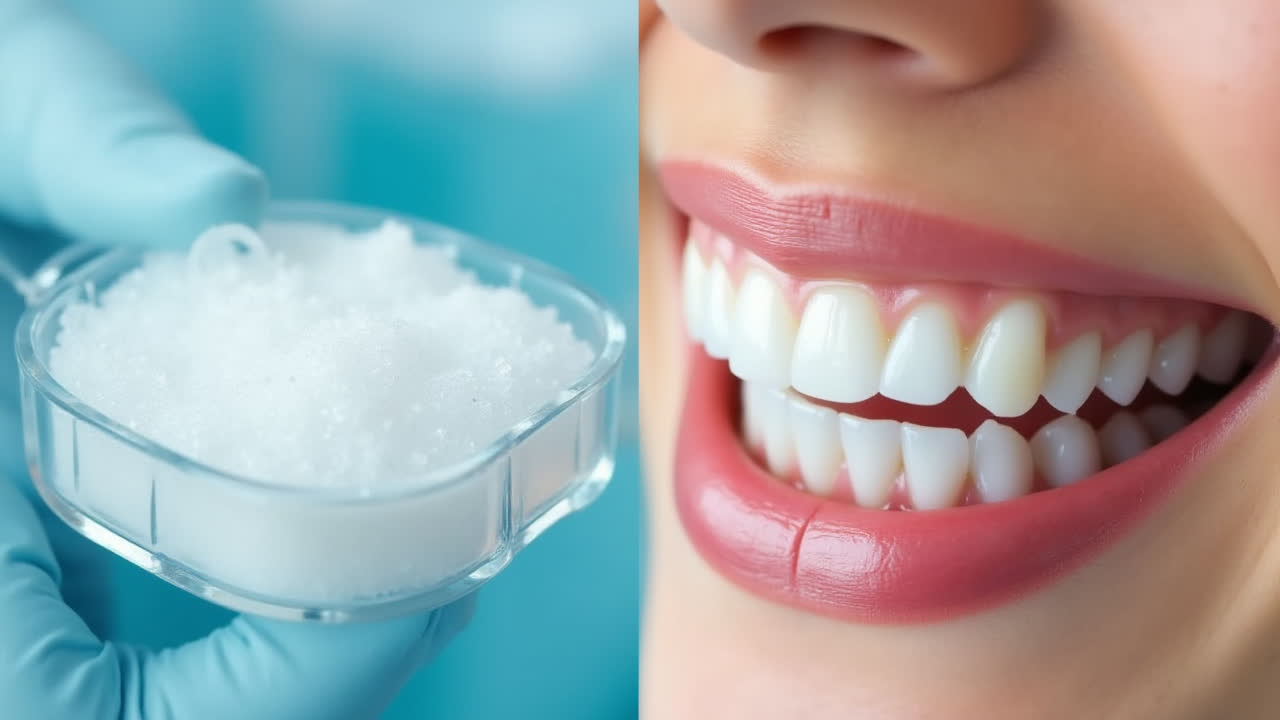
The dental industry has embraced carbamide peroxide for teeth whitening, and there's a good reason for this preference. When you're wearing a whitening tray for 30 minutes to an hour, you want something that works gradually. The slower release of oxygen means less sudden impact on your tooth enamel and less likelihood of experiencing that zappy sensation that makes you question if the pain is worth the gain.
Conversely, hydrogen peroxide often shows up in in-office treatments where dentists can carefully control the application and exposure time. It's powerful enough to achieve impressive results in a single session, but it requires professional handling to avoid potential complications.
Beyond Teeth: Other Uses
Both compounds have found their way into various products beyond dental care. Carbamide peroxide quietly works in ear drops, helping to soften stubborn earwax. I've used these drops myself, and the gentle effervescence feels much more comfortable than the sharp fizzing action you sometimes get with hydrogen peroxide.
Hydrogen peroxide, meanwhile, has become something of a household hero. From cleaning wounds to whitening grout, its powerful oxidizing properties make it a versatile solution. But let me tell you, there's definitely a learning curve to using it properly – too strong a concentration can damage fabrics or irritate skin.
Safety Considerations
Speaking of irritation, both compounds require careful handling, though in different ways. Carbamide peroxide is generally gentler thanks to its slower action, but it's not without risks. Using too high a concentration or leaving it on too long can still cause gum irritation or tooth sensitivity.
Hydrogen peroxide demands respect – it's reactive nature means it can cause chemical burns if mishandled. I've seen people make the mistake of using household hydrogen peroxide directly on sensitive tissues, and the results aren't pretty. Always follow dilution instructions carefully!
The Bottom Line
So, which one should you choose? Well, it really depends on your specific needs. For teeth whitening at home, carbamide peroxide is usually the way to go. Its gentler, sustained action makes it perfect for those overnight whitening sessions.
For quick disinfection, wound cleaning, or general household use, hydrogen peroxide remains the champion. Just remember to handle it with care and follow safety guidelines to the letter.
Frequently Asked Questions
Is carbamide peroxide safer than hydrogen peroxide for teeth whitening?
Generally, yes. Carbamide peroxide releases oxygen more slowly and gradually, which reduces the risk of tooth sensitivity and gum irritation. This makes it more suitable for at-home whitening treatments where application time is longer.
Can I substitute hydrogen peroxide for carbamide peroxide in whitening products?
It's not recommended to substitute these compounds as they work differently. Hydrogen peroxide would need to be applied for much shorter periods and might cause more sensitivity. Always use products as directed by the manufacturer.
Which one is stronger for whitening teeth?
1 part carbamide peroxide equals approximately 1/3 part hydrogen peroxide in whitening strength. So 12% carbamide peroxide is roughly equivalent to 4% hydrogen peroxide. The choice depends on whether you need fast or gradual whitening.