Carbon Fiber vs Forged Carbon: Complete Comparison Guide
Ever wondered what makes your luxury watch band or sports car component so lightweight yet incredibly strong? The answer might lie in advanced carbon composites like carbon fiber and forged carbon. While both materials share similar DNA, their differences significantly impact performance, appearance, and applications. I've spent years working with composite materials, and the confusion between these two high-tech options is surprisingly common.
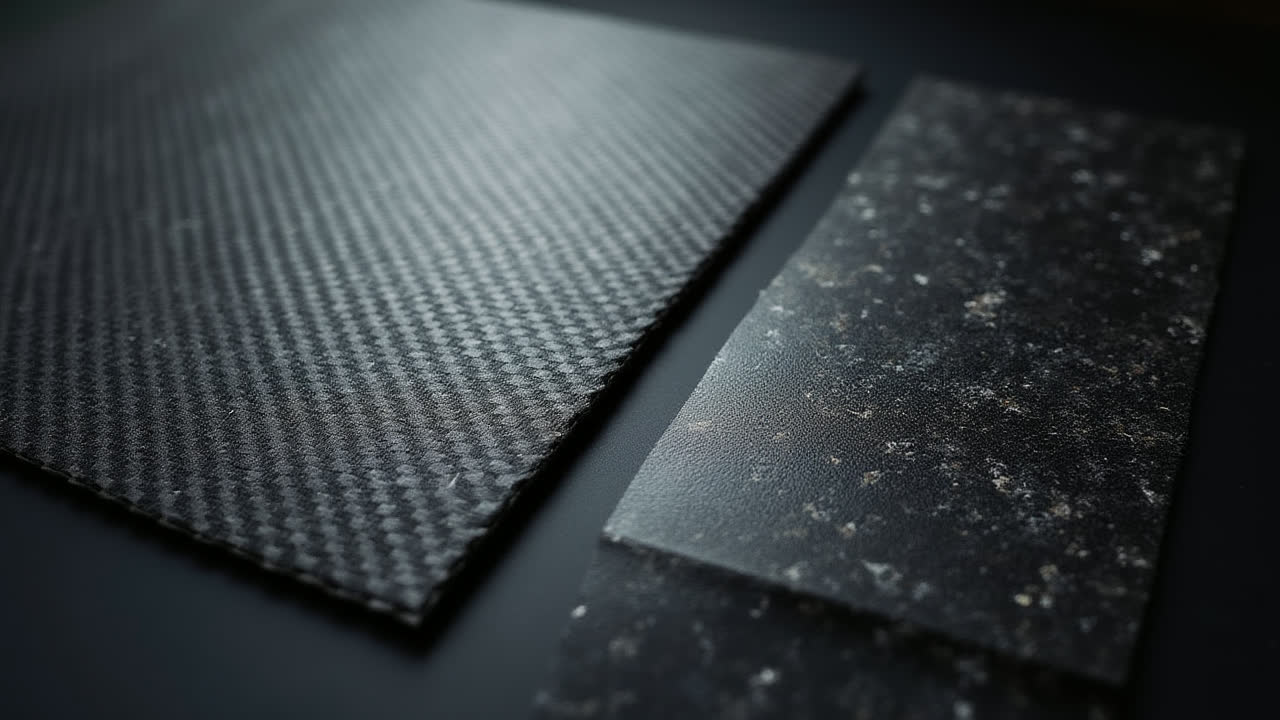
The fundamental difference is straightforward: carbon fiber consists of woven strands arranged in specific patterns, while forged carbon features randomly oriented chopped fibers compressed under high pressure. This distinction affects everything from manufacturing processes to final aesthetics. But which one is right for your needs? Let's dive into the fascinating world of advanced carbon composites to find out.
What Is Carbon Fiber? Understanding the Woven Wonder
Carbon fiber is a remarkable engineered material made from thin strands of carbon atoms bound together in a crystalline formation. These carbon filaments, typically 5-10 micrometers in diameter, are woven into a fabric-like material that, when combined with a polymer resin and cured, creates an extraordinarily strong composite. The resulting material exhibits exceptional strength-to-weight ratio, making it lighter than aluminum yet stronger than steel in many applications.
The production process of carbon fiber is quite fascinating. It begins with a precursor material, usually polyacrylonitrile (PAN), rayon, or petroleum pitch. These precursors undergo oxidation at extremely high temperatures (200-300°C) in an oxygen-rich environment, followed by carbonization in an inert atmosphere at temperatures exceeding 1,000°C. This process aligns the carbon atoms in a tight, crystalline pattern, giving the material its characteristic strength.
One of the most recognizable features of carbon fiber is its distinctive woven pattern. Manufacturers can arrange these woven sheets in various orientations to optimize strength in specific directions. The weave pattern significantly influences both the mechanical properties and the aesthetic appeal of the final product. Common patterns include plain weave (simple over-under pattern), twill weave (creating diagonal lines), and satin weave (with fewer intersections for a smoother appearance).
I remember the first time I handled a piece of carbon fiber—it was astonishingly light yet felt incredibly rigid. This unique combination of properties has made carbon fiber the material of choice in aerospace applications, where weight reduction directly translates to fuel efficiency. NASA, Formula 1 racing teams, and high-performance aircraft manufacturers have all embraced carbon fiber for its exceptional performance characteristics.
What Is Forged Carbon? The Revolutionary Composite
Unlike traditional carbon fiber, forged carbon takes a fundamentally different approach to composite manufacturing. Instead of carefully arranging woven sheets, forged carbon uses chopped carbon fibers (typically 2-3mm in length) randomly distributed within a resin matrix. This mixture is then compressed under extreme pressure and heat in a process similar to metal forging—hence the name "forged carbon."
The manufacturing process offers several distinct advantages. By eliminating the labor-intensive weaving process, forged carbon allows for faster production cycles and the ability to create more complex shapes with fewer limitations. The compression molding technique enables manufacturers to produce three-dimensional components with intricate geometries that would be challenging or impossible with traditional carbon fiber layup methods.
One of the most striking characteristics of forged carbon is its unique marbled appearance. Unlike the uniform, patterned look of woven carbon fiber, forged carbon displays a random, organic aesthetic that many designers find appealing. This distinctive look has made forged carbon particularly popular in luxury goods, where its appearance sets products apart from conventional carbon fiber items. I've noticed that people often mistake forged carbon for some exotic stone at first glance!
The randomized fiber orientation also provides more consistent mechanical properties throughout the material. Traditional carbon fiber can have directional strength based on fiber orientation, but forged carbon's random arrangement creates more isotropic properties—meaning it exhibits similar strength in all directions. This makes it especially suitable for components that experience complex, multi-directional stress patterns.
Lamborghini, in collaboration with Callaway Golf, pioneered the commercial use of forged carbon in the automotive industry around 2007. Since then, the material has found its way into everything from high-end automotive components to luxury watches, smartphone cases, and sporting equipment. Its combination of performance, manufacturing advantages, and unique aesthetics has established forged carbon as more than just an alternative to traditional carbon fiber—it's a premium material choice in its own right.
Carbon Fiber vs Forged Carbon: Head-to-Head Comparison
When choosing between carbon fiber and forged carbon for a specific application, understanding their comparative strengths and weaknesses becomes crucial. Here's a comprehensive comparison that goes beyond the basics:
| Comparison Factor | Carbon Fiber | Forged Carbon |
|---|---|---|
| Manufacturing Process | Woven carbon strands layered in specific patterns with resin infusion | Chopped carbon fibers randomly distributed in resin matrix and compressed under pressure |
| Appearance | Distinctive woven pattern with uniform, structured look | Marbled, random pattern with organic aesthetic |
| Strength Characteristics | Directional strength based on fiber orientation; extremely strong in tension | More isotropic strength properties; consistent in multiple directions |
| Production Efficiency | More time-consuming; labor-intensive layup process | Faster production cycle; more amenable to mass production |
| Design Flexibility | Limited by layup techniques; challenging for complex 3D shapes | Greater flexibility for complex geometries and intricate designs |
| Typical Applications | Aerospace, high-performance sporting goods, automotive panels | Luxury goods, complex automotive components, high-end watches |
| Cost | Generally lower production costs for simple components | Higher material costs but potentially lower manufacturing costs for complex parts |
| Environmental Impact | Higher waste in production; challenging to recycle | Potentially less waste; still faces recycling challenges |
Similarities Between Carbon Fiber and Forged Carbon
Despite their differences, carbon fiber and forged carbon share several important characteristics that make them both valuable in high-performance applications:
- Exceptional strength-to-weight ratios - Both materials offer remarkable strength while maintaining low weight, making them ideal for applications where mass reduction is critical.
- Corrosion resistance - Unlike metals, these carbon composites don't rust or corrode, extending their lifespan in harsh environments.
- Premium material status - Both are considered high-end materials that add value and performance to products across multiple industries.
- Temperature resistance - Carbon composites can withstand significant temperature variations without compromising structural integrity.
- Design flexibility - Compared to traditional materials, both carbon varieties offer designers greater freedom to create innovative products.
I've worked with both materials on various projects, and it's fascinating how they can solve similar engineering challenges while offering distinct advantages. The choice often comes down to specific application requirements, manufacturing considerations, and aesthetic preferences rather than one material being universally "better" than the other.
Applications and Industry Usage
The unique properties of carbon fiber and forged carbon have led to their adoption across diverse industries, though often in different applications based on their respective strengths.
Carbon Fiber Applications
Traditional carbon fiber has established a strong presence in sectors where its directional strength and lightweight properties offer significant advantages:
- Aerospace: Aircraft components, satellite structures, and space vehicles benefit from carbon fiber's exceptional strength-to-weight ratio, with modern commercial aircraft like the Boeing 787 Dreamliner comprising up to 50% carbon fiber materials.
- Performance Automotive: Racing cars, high-end sports cars, and increasingly mainstream vehicles use carbon fiber for body panels, chassis components, and interior elements to reduce weight and improve performance.
- Sporting Goods: Tennis rackets, golf clubs, bicycles, fishing rods, and other equipment leverage carbon fiber's stiffness and light weight to enhance athletic performance.
- Wind Energy: Turbine blades constructed with carbon fiber can be longer and more efficient while withstanding extreme conditions.
- Medical Devices: Prosthetics, orthotics, and imaging equipment benefit from carbon fiber's radiolucency (transparency to X-rays) and biocompatibility.
Forged Carbon Applications
Forged carbon has carved out its own niche, particularly in applications where complex geometries, isotropic properties, or aesthetic considerations are paramount:
- Luxury Automotive: Lamborghini pioneered forged carbon use in vehicles like the Sesto Elemento and Huracan Performante, creating complex structural and decorative components.
- Luxury Watches: Brands like Roger Dubuis and Panerai incorporate forged carbon into watch cases and components, appreciating both its technical properties and distinctive appearance.
- Consumer Electronics: Premium smartphone cases and laptop covers utilize forged carbon for its unique aesthetic and protective qualities.
- Golf Equipment: Callaway and other manufacturers use forged carbon in club heads to optimize weight distribution and performance.
- High-End Furniture: Design-forward furniture pieces leverage forged carbon's visual appeal and structural properties.
I recently attended a design exhibition where a furniture maker had created stunning table pieces using forged carbon. The organic, flowing patterns created fascinating light play that simply wouldn't be possible with traditional carbon fiber. It's this combination of technical performance and visual distinctiveness that continues to expand the application range for both materials.
Future Trends and Innovations
The evolution of carbon composite materials continues at a rapid pace, with both carbon fiber and forged carbon seeing significant advancements. As someone who follows this industry closely, I've noticed several emerging trends that will likely shape the future of these materials:
Sustainability has become a major focus area for carbon composite manufacturers. Traditionally, these materials have posed recycling challenges, with most carbon fiber products ending up in landfills at the end of their lifecycle. However, recent innovations in recycling technologies are showing promise for reclaiming carbon fibers from end-of-life components. Companies are also exploring bio-based precursors and resins that could reduce the environmental footprint of carbon composites without compromising performance.
Cost reduction remains another significant frontier. While carbon fiber and forged carbon offer exceptional performance, their relatively high cost has limited widespread adoption. Automated manufacturing processes, including advanced robotics and AI-driven quality control, are helping to reduce production costs and increase consistency. These improvements could eventually make these premium materials accessible to more mainstream applications beyond their current high-end niches.
New hybrid composites represent perhaps the most exciting development. Researchers are combining carbon fibers with other materials like graphene, natural fibers, or thermoplastics to create composites with enhanced properties. Some of these hybrids aim to improve impact resistance (traditionally a weakness of carbon composites), while others focus on improving sustainability or reducing costs. I've even seen experimental composites that incorporate self-healing properties or embedded sensors for real-time monitoring of structural integrity.
The democratization of these materials seems inevitable as manufacturing technologies mature. While carbon fiber and forged carbon initially found homes in aerospace, motorsports, and luxury goods, we're increasingly seeing these materials appear in everyday consumer products. As costs continue to decrease and production becomes more scalable, expect to see carbon composites in everything from mainstream automotive components to household items and architectural applications.
Frequently Asked Questions About Carbon Fiber and Forged Carbon
Is forged carbon stronger than carbon fiber?
Forged carbon can be stronger than traditional carbon fiber in certain applications due to its isotropic properties and higher fiber volume. The compression process used in forged carbon manufacturing creates a denser material with more consistent strength in multiple directions. However, woven carbon fiber may still offer superior strength along specific load paths when the fibers are aligned intentionally. The "stronger" material ultimately depends on the specific application and how forces will be applied to the component.
Why is forged carbon more expensive than regular carbon fiber?
Despite its potentially more efficient manufacturing process, forged carbon often commands a premium price for several reasons. The technology is newer and less widespread, meaning fewer manufacturers have mastered the process. Additionally, forged carbon has been positioned as a premium material in the luxury market, particularly by brands like Lamborghini and Roger Dubuis. The unique aesthetic also contributes to its higher price point. However, for complex parts, forged carbon might actually be more cost-effective due to reduced labor requirements and lower scrap rates compared to traditional carbon fiber layup techniques.
What are the different grades of carbon fiber, and how do they compare?
Carbon fiber comes in various grades typically designated by "K" values (1K, 3K, 6K, 12K, etc.), which indicate the number of filaments in each tow or bundle of fibers—higher numbers mean thicker bundles. Generally, 3K carbon fiber offers a finer weave with smaller fibers, providing a smoother surface finish and better drapability for complex shapes. Meanwhile, 12K carbon has larger fiber bundles, offering higher stiffness and often lower cost but with a coarser finish. For most consumer applications, 3K provides an optimal balance of performance and aesthetics, while industrial applications might favor 12K for its efficiency. Beyond the K rating, carbon fiber is also classified by modulus (stiffness) into categories like standard, intermediate, high, and ultra-high modulus, with higher modulus materials generally being more expensive and used in more demanding applications.