What Types of Cells Undergo Mitosis? Complete Cell Division Guide
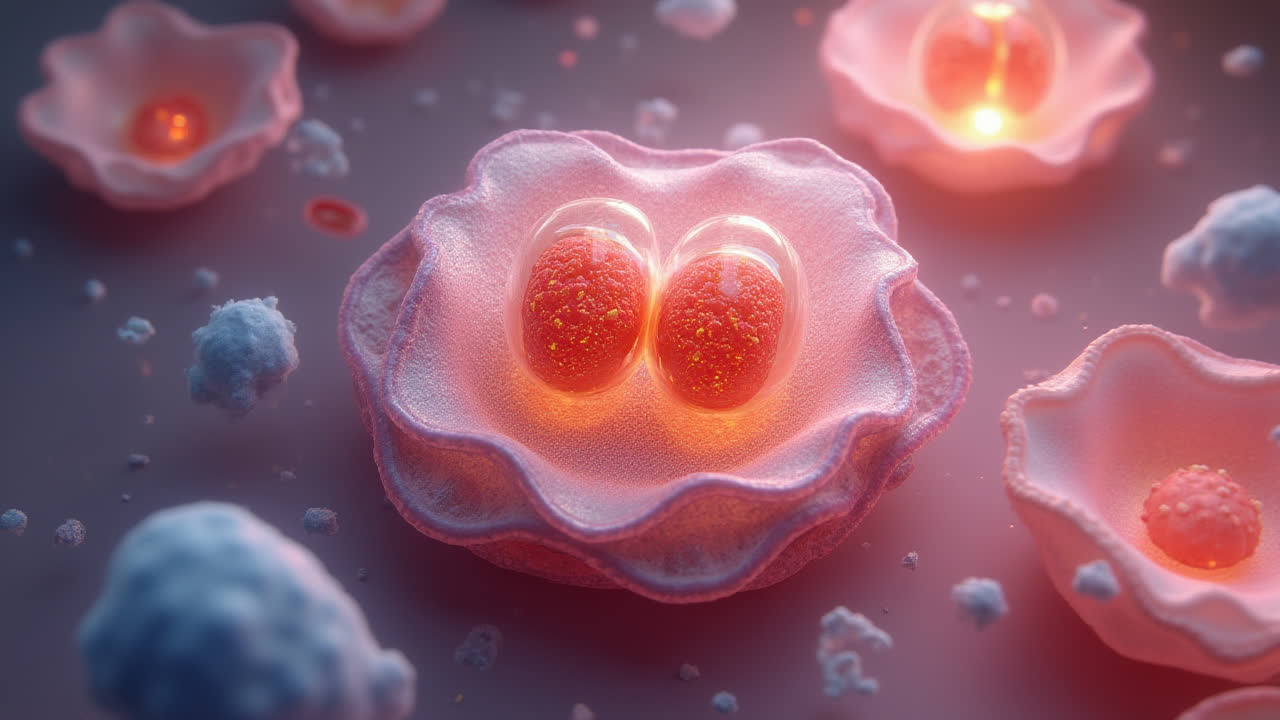
Have you ever wondered how your body continuously produces new cells to replace damaged ones? Or how a tiny embryo develops into a fully-formed human being? The answer lies in a fascinating biological process called mitosis. This cell division mechanism is fundamental to growth, development, and tissue repair in multicellular organisms like humans. But not all cells in your body are created equal when it comes to division capabilities. Some cells divide regularly throughout your lifetime, while others never divide at all.
Three main types of cells in the human body undergo mitosis: somatic cells, adult stem cells, and embryonic cells. Each plays a crucial role in maintaining our bodies' functions and overall health. In this comprehensive guide, we'll explore these different cell types, understand how mitosis works, and discover why certain specialized cells lose their ability to divide. Let's dive into the microscopic world of cellular division!
Understanding Mitosis: The Basics of Cell Division
Mitosis is a type of cell division that occurs in eukaryotic cells—cells with a true nucleus. During this process, a parent cell divides to produce two daughter cells that are genetically identical to each other and to the original parent cell. Think of it as nature's perfect copy machine, ensuring that the genetic information (DNA) is accurately passed down from one cell generation to the next.
Before a cell can undergo mitosis, it must first replicate its genetic material and organelles during a phase called interphase. This preparation ensures that there will be enough cellular components to distribute between the two new daughter cells. The actual mitotic phase consists of four distinct stages: prophase, metaphase, anaphase, and telophase. Each stage involves precise movements and arrangements of chromosomes and other cellular structures.
The final step of cell division, cytokinesis, involves the physical splitting of the cell's cytoplasm to form two separate cells. This entire process is remarkably coordinated and regulated by various enzymes and proteins. Any errors during mitosis can lead to serious consequences, including cell death or even cancer. That's why understanding which cells undergo mitosis and how this process is controlled is crucial for medical research and treatment development.

Figure 1: The four main stages of mitosis showing the progressive separation of chromosomes
Somatic Cells: The Workhorses of Mitosis
Somatic cells make up the vast majority of cells in the human body. These are the regular, specialized cells that form our tissues and organs, such as skin cells, liver cells, muscle cells, and many others. Unlike reproductive cells, somatic cells contain the full set of chromosomes (diploid) and are responsible for most of the body's functions.
One of the primary reasons somatic cells undergo mitosis is for tissue replenishment. Consider your skin, for example. The outermost layer is constantly shedding dead cells, which must be replaced by new ones. Epidermal stem cells in the basal layer of your skin divide through mitosis to generate new skin cells that gradually move upward, replacing those that are lost. Similarly, cells lining your intestines have a rapid turnover rate, with complete replacement occurring every 4-5 days!
Another crucial function of mitotic division in somatic cells is tissue repair after injury. When you cut your finger, for example, fibroblast cells at the wound site undergo rapid mitosis to help close the gap and regenerate the damaged tissue. This healing process involves not just cell division but also cell migration and differentiation—all carefully orchestrated to restore normal function.
However, it's important to note that not all somatic cells divide at the same rate. Some, like epithelial cells, divide frequently throughout life, while others, like certain muscle cells, divide rarely or not at all after maturity. The frequency of division is related to the cell's function and the body's needs. This variation in division capability helps maintain the proper balance of cells in tissues and prevents unnecessary energy expenditure.
Adult Stem Cells: The Regenerative Specialists
Among the most fascinating cells in the body are adult stem cells. These remarkable cells have two key abilities: they can self-renew through mitosis, and they can differentiate into specialized cell types. Adult stem cells are found in various tissues throughout the body, including bone marrow, fat, brain, and blood vessels, where they serve as a built-in repair system.
Perhaps the most well-known example is hematopoietic stem cells (HSCs) found in bone marrow. These versatile cells divide through mitosis to both replenish themselves and produce all types of blood cells—red blood cells, white blood cells, and platelets. Considering that your body produces billions of new blood cells every day, HSCs must maintain a delicate balance between self-renewal and differentiation to meet this demand without depleting the stem cell pool.
Similarly, intestinal stem cells located at the base of crypts in the intestinal lining undergo mitosis to produce the rapidly dividing transit-amplifying cells that will eventually differentiate into the various cell types of the intestinal epithelium. This continuous renewal process is essential for maintaining the integrity of the intestinal barrier against harmful substances and pathogens.
Adult stem cells also play a critical role in tissue repair after injury. For instance, satellite cells—stem cells found in skeletal muscle—normally remain dormant but can be activated following muscle damage. These cells then undergo mitosis and differentiate to form new muscle fibers, facilitating muscle regeneration. The unique properties of adult stem cells have made them a focus of intense research in regenerative medicine, with potential applications ranging from treating heart disease to repairing spinal cord injuries.
Embryonic Cells: Champions of Mitotic Division
If adult and somatic cells are impressive in their division capabilities, embryonic cells take cellular division to an entirely different level. Life begins with a single fertilized egg cell called a zygote, which contains genetic material from both parents. This zygote then undergoes a series of rapid mitotic divisions that will eventually lead to the development of a complete organism with trillions of cells.
The initial divisions of the zygote create a ball of cells called a blastocyst. These early embryonic cells are unique because they are totipotent, meaning they have the potential to develop into any cell type in the body, as well as the placenta and umbilical cord. As development continues, cells begin to specialize through a process called differentiation, gradually restricting their developmental potential.
The rate of mitosis during embryonic development is truly remarkable. In humans, a single fertilized egg cell transforms into a newborn baby with approximately 2 trillion cells in just nine months! This rapid proliferation requires precise control mechanisms to ensure that cells divide at the right time and in the right places. Any disruptions to this carefully orchestrated process can result in developmental abnormalities or even embryonic death.
Interestingly, as development progresses and cells become more specialized, their ability to undergo mitosis generally decreases. This reduced proliferative capacity reflects the need for stability in differentiated tissues and serves as a protective mechanism against uncontrolled growth that could lead to cancer. Nevertheless, the mitotic capabilities demonstrated during embryonic development showcase the incredible potential inherent in our cells.
Specialized Cells That Don't Undergo Mitosis
While many cells in the body retain the ability to divide throughout life, certain highly specialized cells lose this capability once they reach maturity. These cells become permanently differentiated, focusing all their energy on performing specialized functions rather than dividing. Understanding which cells don't undergo mitosis is just as important as knowing which ones do, as it helps explain certain limitations in the body's regenerative abilities.
Neurons, or nerve cells, are perhaps the most well-known example of cells that typically don't undergo mitosis in adults. Once fully developed, most neurons in the central nervous system lose their ability to divide. This is one reason why brain and spinal cord injuries are often permanent—damaged neurons cannot be replaced through cell division. However, it's worth noting that recent research has discovered limited neurogenesis (the birth of new neurons) in specific brain regions, challenging the long-held belief that the adult brain is entirely incapable of producing new neurons.
Cardiac muscle cells (cardiomyocytes) also have very limited division capability in adults. After birth, heart muscle cells primarily grow by increasing in size rather than number. This limited regenerative capacity explains why heart attacks can cause permanent damage—the body cannot easily replace the damaged heart tissue through mitosis. However, recent studies have shown that cardiomyocytes retain a low level of turnover throughout life, suggesting that the heart may have more regenerative potential than previously thought.
Mature red blood cells (erythrocytes) represent another category of cells that cannot undergo mitosis. These cells lose their nucleus during development, making cell division impossible. Instead, they are continuously produced from hematopoietic stem cells in the bone marrow, highlighting the importance of stem cells in maintaining tissues composed of non-dividing cells.
Comparative Analysis: Mitotic Capabilities Across Cell Types
| Characteristic | Somatic Cells | Adult Stem Cells | Embryonic Cells |
|---|---|---|---|
| Division Frequency | Varies by tissue type | Relatively infrequent | Very frequent during development |
| Differentiation Potential | Already specialized | Multi or unipotent | Totipotent or pluripotent |
| Primary Function | Tissue maintenance and repair | Tissue regeneration | Organism development |
| Division Limitations | Subject to Hayflick limit | Can divide throughout life | Extensive division capability |
| Cell Cycle Regulation | Tightly regulated | Highly controlled | Rapid cycles during early development |
| Location in Body | Throughout all tissues | Specific niches in tissues | Embryo only |
| Clinical Significance | Involved in wound healing | Used in regenerative medicine | Studied for developmental disorders |
| Cancer Risk | Variable risk | Higher potential risk | N/A (temporary state) |
Factors Influencing Mitotic Activity
The rate and regulation of mitosis in different cell types isn't arbitrary—it's influenced by numerous factors that help maintain the delicate balance between cell production and elimination. Understanding these factors provides insight into both normal physiology and disease states where cell division becomes dysregulated.
Age plays a significant role in determining mitotic activity. Generally, younger organisms have higher rates of cell division compared to older ones. This decline in mitotic capability with age contributes to the reduced healing capacity and increased recovery time observed in elderly individuals. Cellular aging is partly due to telomere shortening—with each division, the protective caps at chromosome ends get slightly shorter until they reach a critical length that triggers cell senescence or death.
Environmental factors also influence mitotic activity. Nutrition, for example, can significantly impact cell division rates. Certain nutrients like proteins and specific vitamins are essential building blocks for new cells, while others play crucial roles in the signaling pathways that regulate the cell cycle. Similarly, exposure to toxins, radiation, or certain chemicals can damage DNA and disrupt normal mitotic processes, potentially leading to mutations or cell death.
Hormones and growth factors represent another major category of mitosis regulators. For instance, estrogen stimulates cell division in the breast and uterine lining, while growth hormone promotes division in multiple tissues throughout the body. These chemical messengers bind to specific receptors on cell surfaces, triggering intracellular signaling cascades that ultimately influence the cell cycle machinery.
Finally, tissue-specific needs dramatically affect mitotic rates. Tissues with high turnover, like the intestinal epithelium, maintain high rates of mitosis to replace cells that are regularly lost. In contrast, tissues with low turnover, like the central nervous system, have minimal mitotic activity under normal conditions. This variation ensures efficient resource allocation—cells divide only when and where needed, conserving energy and maintaining tissue integrity.
Frequently Asked Questions About Mitosis
Why don't all cells in the human body undergo mitosis?
Not all cells undergo mitosis because certain highly specialized cells, like mature neurons, cardiac muscle cells, and red blood cells, have evolved to focus exclusively on their specialized functions rather than cell division. These cells typically have complex structures and functions that would be difficult to maintain during the dramatic reorganization that occurs during mitosis. Additionally, limiting cell division in certain tissues helps prevent cancer and maintains tissue stability. Instead of dividing themselves, these non-mitotic cells are typically replaced by the differentiation of stem cells when replacement is needed.
How does mitosis differ between somatic cells and stem cells?
The key difference between mitosis in somatic cells and stem cells lies in their division outcomes and frequency. When somatic cells divide, they typically produce two identical daughter cells that maintain the same specialized function as the parent cell. In contrast, stem cells can undergo either symmetric division (producing two stem cells) or asymmetric division (producing one stem cell and one cell that will differentiate). Additionally, most somatic cells have a limited number of possible divisions (the Hayflick limit), while stem cells can typically divide throughout an organism's lifetime. Stem cells also often divide more slowly than actively proliferating somatic cells, which helps protect their DNA from replication errors.
What happens when mitosis goes wrong in the body?
When mitosis goes wrong, several serious consequences can occur. The most well-known outcome is cancer, which results from uncontrolled cell division due to mutations in genes that regulate the cell cycle. Other possible consequences include chromosomal abnormalities like aneuploidy (abnormal chromosome numbers), which can lead to conditions such as Down syndrome when occurring during embryonic development. Errors during mitosis can also result in cell death if the damage is severe enough to trigger apoptosis (programmed cell death). Additionally, mitotic errors can cause genomic instability, where cells accumulate increasing numbers of mutations over time, potentially leading to accelerated aging or increased susceptibility to disease.
Conclusion: The Remarkable World of Mitosis
The process of mitosis, though microscopic in scale, has enormous implications for human health, development, and disease. From the rapid divisions of embryonic cells that transform a single fertilized egg into a complex organism, to the carefully regulated divisions of somatic and stem cells that maintain our tissues throughout life, mitosis touches every aspect of our biology.
Understanding which cells undergo mitosis—somatic cells, adult stem cells, and embryonic cells—and which ones don't, provides crucial insights into topics ranging from wound healing and regeneration to aging and cancer. This knowledge forms the foundation for numerous medical advances, including regenerative therapies, cancer treatments, and developmental disorder interventions.
As research continues to uncover new details about the regulation and mechanics of mitosis, we can expect even more breakthroughs in our ability to harness this fundamental biological process for therapeutic purposes. Whether it's stimulating division in tissues with poor regenerative capacity or inhibiting it in cancerous growths, the clinical applications of mitosis research are vast and promising.
The next time you notice a healing wound or contemplate the miracle of development from embryo to adult, take a moment to appreciate the incredible cellular choreography happening beneath the surface—billions of cells dividing with remarkable precision to maintain and create life as we know it.