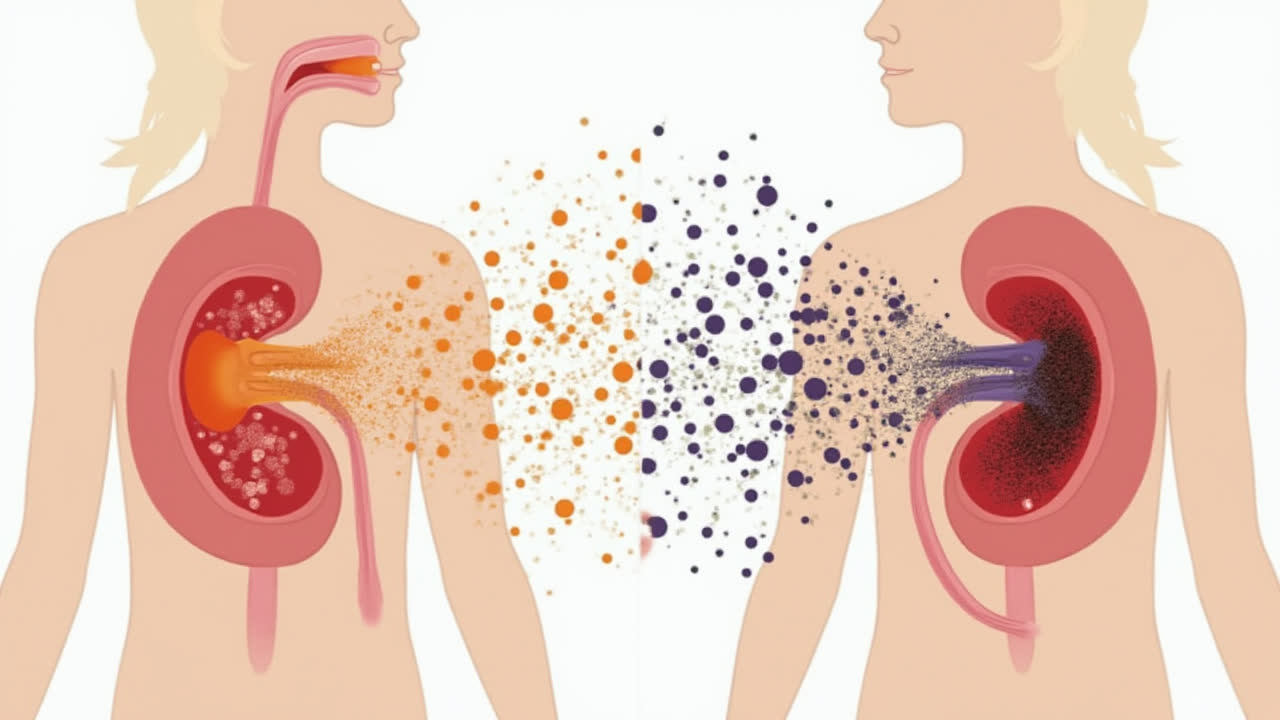
Cortisone vs Hydrocortisone: Complete Comparison Guide

When it comes to anti-inflammatory medications, cortisone and hydrocortisone are often mentioned in the same breath. But are they actually the same thing? Despite their similar names and effects, these two corticosteroids have distinct differences that affect how they work in your body and what conditions they treat. If you've ever been prescribed one of these medications or heard about them from your doctor, understanding the difference between them can help you make more informed health decisions.
Both cortisone and hydrocortisone belong to a class of medications called corticosteroids, which are synthetic versions of hormones naturally produced by your adrenal glands. These powerful anti-inflammatory agents help reduce swelling, redness, and pain in various conditions from arthritis to skin rashes. But the way they interact with your body is quite different, and that's what we're going to explore in detail.
Quick fact: Did you know that cortisone actually needs to be converted by your liver into cortisol (hydrocortisone) before it can become active in your body? This conversion process is one of the fundamental differences between these two medications.
In this comprehensive guide, we'll break down everything you need to know about cortisone and hydrocortisone – from their chemical structures and how they work to their specific uses and potential side effects. Whether you're trying to understand a prescription or simply curious about these common medications, you'll find clear answers here. Let's dive in and clear up the confusion once and for all.
What is Cortisone? Definition, Structure, and Function
Cortisone is a steroid hormone that's primarily produced as an inactive metabolite of cortisol in the kidneys. In its natural form, it's part of the body's stress response system, though at significantly lower concentrations than cortisol itself. However, when we talk about cortisone in medical contexts, we're usually referring to synthetic cortisone that's used as a medication.
Chemically speaking, cortisone has the formula C21H28O5, making it slightly different from hydrocortisone (C21H30O5). This small molecular difference has significant implications for how the drug functions in your body. Cortisone is what's known as a prodrug – it's inactive when first administered and requires processing by your liver enzymes to convert it into its active form, which is actually cortisol (hydrocortisone).
The history of cortisone is quite fascinating. It was first isolated in the 1940s and quickly became recognized as a valuable treatment for inflammatory conditions, particularly rheumatoid arthritis. The discovery was so significant that it led to a Nobel Prize in Physiology or Medicine in 1950 for Edward Kendall, Tadeus Reichstein, and Philip Hench. Back then, patients with debilitating arthritis who received cortisone injections experienced what seemed like miraculous relief – some who had been bedridden could suddenly walk again.
In modern medicine, cortisone is often administered as cortisone acetate, a synthetic version used in various forms. You might encounter it as:
- Cortisone injections (intra-articular) for joint pain and inflammation
- Oral tablets for systemic inflammatory conditions
- Topical preparations for skin conditions (though these are less common than hydrocortisone creams)
When injected directly into an inflamed joint, cortisone helps reduce pain, swelling, and stiffness. These injections are commonly used to treat conditions like arthritis, bursitis, and tendonitis. I remember a friend who suffered from persistent knee pain due to osteoarthritis telling me how a cortisone injection gave her months of relief after just one treatment. That's the power of this medication when used appropriately.
However, it's worth noting that cortisone's effectiveness comes with limitations. Since it requires conversion in the liver to become active, its effects may be less predictable than direct hydrocortisone administration. Additionally, the conversion process means there's a slight delay in onset of action compared to hydrocortisone. Another important point is that repeated cortisone injections in the same area (particularly joints) can potentially lead to tissue damage over time, so doctors typically limit how frequently these injections can be given.
What is Hydrocortisone? Definition, Structure, and Function
Hydrocortisone is essentially the pharmaceutical name for cortisol when used as a medication. Cortisol is the primary glucocorticoid hormone naturally produced by your adrenal cortex, released in response to stress and low blood glucose concentration. Unlike cortisone, hydrocortisone is immediately active in the body – no conversion necessary. This direct activity makes it particularly valuable in emergency situations where rapid anti-inflammatory effects are needed.
The molecular structure of hydrocortisone (C21H30O5) contains two more hydrogen atoms than cortisone. This small but significant difference means hydrocortisone has a hydroxyl group (-OH) at position 11 on the steroid ring structure, while cortisone has a ketone group (=O) at this position. This structural distinction is what allows hydrocortisone to bind directly to glucocorticoid receptors throughout the body, triggering immediate anti-inflammatory and immunosuppressive effects.
Hydrocortisone is one of the most versatile corticosteroids in medicine today. It's available in numerous forms to treat a wide variety of conditions. Have you ever used over-the-counter hydrocortisone cream for an itchy rash or bug bite? That's just one common application of this medication. The full range of hydrocortisone preparations includes:
- Topical creams, ointments, and lotions (available in both prescription and over-the-counter strengths)
- Oral tablets for systemic inflammation
- Injectable formulations for severe inflammatory conditions
- Rectal preparations for inflammatory bowel conditions
- Eardrops for certain types of ear inflammation or infection
Medically, hydrocortisone is used to treat an impressive array of conditions. These include adrenocortical insufficiency (where the body doesn't produce enough natural cortisol), severe allergic reactions, asthma flare-ups, inflammatory bowel disease, dermatitis, eczema, and many forms of arthritis. It's also used in replacement therapy for patients with Addison's disease, who cannot produce adequate amounts of cortisol naturally.
I once witnessed the remarkable effect of intravenous hydrocortisone when a family member experienced a severe allergic reaction. The medical team administered it alongside epinephrine, and the improvement was visible within minutes – the swelling began to subside, and breathing became easier. This rapid response capability is one of hydrocortisone's most valuable attributes in emergency medicine.
Like all potent medications, hydrocortisone comes with potential side effects, especially with long-term use. These can include increased risk of infections, elevated blood sugar, mood changes, sleep disturbances, and with extended use, more serious effects like osteoporosis, adrenal suppression, and increased risk of cataracts. However, when used appropriately under medical supervision, the benefits often outweigh these risks.
Cortisone vs Hydrocortisone: Comprehensive Comparison
Now that we've explored each medication individually, let's put them side by side to clarify their key differences and similarities. Understanding these distinctions can help you better appreciate why a doctor might choose one over the other for different conditions.
| Comparison Point | Cortisone | Hydrocortisone |
|---|---|---|
| Chemical Formula | C21H28O5 | C21H30O5 |
| Activity in Body | Inactive prodrug (requires liver conversion) | Immediately active |
| Onset of Action | Delayed (due to conversion requirement) | Rapid |
| Common Forms | Mostly injections and oral tablets | Creams, ointments, tablets, injections, rectal preparations |
| Primary Uses | Joint injections for arthritis, tendonitis, bursitis | Skin conditions, allergic reactions, adrenal insufficiency, inflammatory bowel disease |
| Availability | Prescription only | Both prescription and over-the-counter (topical forms) |
| Metabolism | Converted to cortisol in liver before becoming active | Directly metabolized throughout the body |
| Natural Occurrence | Minor metabolite in body (inactive form of cortisol) | Primary natural glucocorticoid produced by adrenal glands |
As the table illustrates, while these medications are closely related, they have distinct characteristics that influence their clinical applications. Cortisone's need for liver conversion makes it somewhat less predictable in its effects, but this same property can sometimes be advantageous. The conversion process can act as a controlled release mechanism, potentially providing longer-lasting effects in some patients.
On the other hand, hydrocortisone's immediate activity makes it the go-to choice for acute conditions requiring rapid response, like allergic reactions or severe inflammatory flares. Its wider variety of formulations also gives it greater versatility across different medical specialties.
It's worth mentioning that neither medication is universally "better" than the other – the appropriate choice depends entirely on the specific condition being treated, the patient's medical history, and the desired outcome. For instance, joint injections often use cortisone preparations designed for extended local action, while skin conditions typically respond well to direct hydrocortisone application.
Clinical Applications and Treatment Considerations
When deciding between cortisone and hydrocortisone, healthcare providers consider numerous factors. The specific condition being treated is obviously paramount, but other considerations include the desired onset and duration of action, potential side effects, patient-specific factors like liver function, and practical matters like cost and availability. Let's look at some common clinical scenarios where one might be preferred over the other.
For joint and soft tissue inflammation, cortisone injections often reign supreme. Their ability to provide extended relief directly at the site of inflammation makes them particularly valuable for conditions like osteoarthritis, rheumatoid arthritis, bursitis, and tendonitis. The delayed conversion actually works as an advantage here, creating a depot effect that prolongs the anti-inflammatory action. A single cortisone injection might provide relief for weeks or even months in some cases.
When it comes to skin conditions, hydrocortisone is generally the preferred option. Its direct activity and availability in various topical strengths makes it ideal for treating eczema, dermatitis, insect bites, mild allergic reactions, and other inflammatory skin issues. You've probably used over-the-counter hydrocortisone cream at some point – that familiar itch relief comes from its immediate anti-inflammatory effect on skin cells.
For systemic conditions requiring oral or injectable corticosteroids, hydrocortisone is often preferred when rapid effects are needed. Conditions like acute asthma exacerbations, severe allergic reactions, adrenal crisis, or inflammatory bowel disease flares benefit from hydrocortisone's immediate activity. However, for longer-term management of chronic inflammatory conditions, other synthetic corticosteroids with longer half-lives (like prednisone or dexamethasone) might be chosen over either cortisone or hydrocortisone.
Special consideration should be given to patients with liver impairment. Since cortisone requires hepatic conversion to become active, its effectiveness may be reduced in people with compromised liver function. For these patients, hydrocortisone might be more reliable since it doesn't depend on liver activation. Conversely, this same property means hydrocortisone might have more pronounced systemic effects when liver metabolism is impaired, potentially increasing side effect risks.
I once spoke with a rheumatologist who explained her approach to choosing between these medications. "For acute shoulder bursitis," she told me, "I typically use a cortisone injection because patients benefit from the prolonged local effect. But for a patient having an acute dermatitis flare, I'll recommend hydrocortisone cream for immediate relief." This kind of condition-specific approach exemplifies how these seemingly similar medications serve different therapeutic niches.
Side Effects and Safety Considerations
Both cortisone and hydrocortisone can cause similar side effects, though the likelihood and severity often depend on factors like dosage, duration of treatment, route of administration, and individual patient characteristics. Understanding these potential adverse effects is crucial for anyone taking these medications.
For short-term use, both medications are generally well-tolerated. Local cortisone injections might cause temporary pain at the injection site, sometimes followed by what's called a "cortisone flare" – a brief increase in pain lasting 24-48 hours after the injection. Topical hydrocortisone may occasionally cause mild burning, stinging, or irritation when first applied. These minor effects usually resolve quickly without intervention.
The more significant concerns arise with longer-term or high-dose systemic use. Common side effects that can occur with both medications include:
- Fluid retention and swelling
- Elevated blood sugar levels (particularly problematic for diabetics)
- Increased appetite and potential weight gain
- Mood changes, irritability, or insomnia
- Increased susceptibility to infections
- Elevated blood pressure
- Gastrointestinal issues like indigestion or nausea
With prolonged use, more serious consequences can develop, such as adrenal suppression (where your body reduces its natural cortisol production), osteoporosis (bone thinning), cataracts, glaucoma, and muscle weakness. There's also the issue of withdrawal if long-term treatment is stopped abruptly rather than tapered gradually.
Are there differences in side effect profiles between cortisone and hydrocortisone? While the potential adverse effects are largely the same, there can be subtle differences in their manifestation due to the medications' different pharmacokinetics. Hydrocortisone, being immediately active, might cause more pronounced short-term effects like blood sugar spikes. Cortisone, requiring conversion, might have a more gradual impact on systemic parameters.
Special populations require particular caution with either medication. Pregnant women, children, elderly patients, and those with conditions like diabetes, hypertension, osteoporosis, glaucoma, or compromised immune function need especially careful monitoring when using corticosteroids. The risk-benefit calculation is particularly important in these groups.
Despite these potential concerns, it's important to remember that when used appropriately under medical supervision, both cortisone and hydrocortisone can provide tremendous benefit with manageable risk. Never discontinue prescribed corticosteroid treatment without consulting your healthcare provider, as sudden stoppage can lead to dangerous withdrawal symptoms, particularly after long-term use.
Frequently Asked Questions
Can I use hydrocortisone cream and take oral cortisone at the same time?
While it's possible to use both medications simultaneously, this should only be done under direct medical supervision. Using multiple corticosteroid preparations at once can increase your total exposure and potentially raise the risk of side effects. If you're prescribed oral cortisone and also want to use over-the-counter hydrocortisone cream, always inform your doctor. They can advise on whether this combination is appropriate for your specific situation and might adjust dosages accordingly to ensure safety.
How long do cortisone injections typically last compared to hydrocortisone treatments?
Cortisone injections into joints or soft tissues often provide relief lasting anywhere from a few weeks to several months, depending on the condition being treated and individual factors. This extended duration is partly due to the slow-release nature of the injection formulations and cortisone's need for conversion to become active. By contrast, topical hydrocortisone treatments typically provide more immediate but shorter-term relief, often requiring daily application for continued effect. Oral hydrocortisone generally has effects lasting about 8-12 hours, which is why it's frequently prescribed in divided daily doses. The duration difference highlights why cortisone injections are often preferred for chronic joint conditions, while hydrocortisone is chosen for conditions requiring continuous but adjustable management.
Is over-the-counter hydrocortisone cream as effective as prescription strength?
Over-the-counter hydrocortisone creams (typically 0.5% or 1% strength) are less potent than prescription formulations, which can range from 2.5% up to 10% in some cases. The lower-strength OTC versions are appropriate and effective for mild skin irritations, insect bites, and minor allergic reactions. However, they may not be sufficient for more serious skin conditions like severe eczema, psoriasis, or significant allergic reactions. If you're using an over-the-counter hydrocortisone cream and not seeing improvement after several days, or if your condition is worsening, it's important to consult a healthcare provider. They can assess whether a stronger prescription version is needed or if perhaps the skin condition requires a different treatment approach altogether.
Conclusion: Making the Right Choice Between Cortisone and Hydrocortisone
Throughout this article, we've explored the similarities and differences between cortisone and hydrocortisone – two related yet distinct corticosteroid medications. While they share the same therapeutic goals of reducing inflammation and suppressing overactive immune responses, their unique properties make each better suited for specific applications.
The key takeaway is that cortisone functions as a prodrug requiring liver conversion to become active, while hydrocortisone is immediately active upon administration. This fundamental difference influences everything from onset of action to appropriate clinical uses. Cortisone often shines in joint and soft tissue injections where prolonged local effect is desired, while hydrocortisone excels in situations requiring immediate activity, such as skin conditions or acute systemic inflammatory responses.
Remember that the "best" choice between these medications isn't universal – it depends entirely on your specific medical condition, treatment goals, and individual health factors. That's why these medications should only be used under appropriate medical guidance, whether they're prescription formulations or over-the-counter preparations.
If you're currently using either medication or considering starting treatment, maintain open communication with your healthcare provider about any concerns or side effects. With proper use and monitoring, both cortisone and hydrocortisone can be valuable tools in managing inflammatory conditions and improving quality of life.
Have you had experience with either of these medications? Perhaps you've received a cortisone injection for joint pain or used hydrocortisone cream for a skin condition? Each person's response can be slightly different, which is why personalized medical advice is so important when navigating treatment options in this category.