Ecological vs Carbon Footprint: Complete Comparison Guide 2026
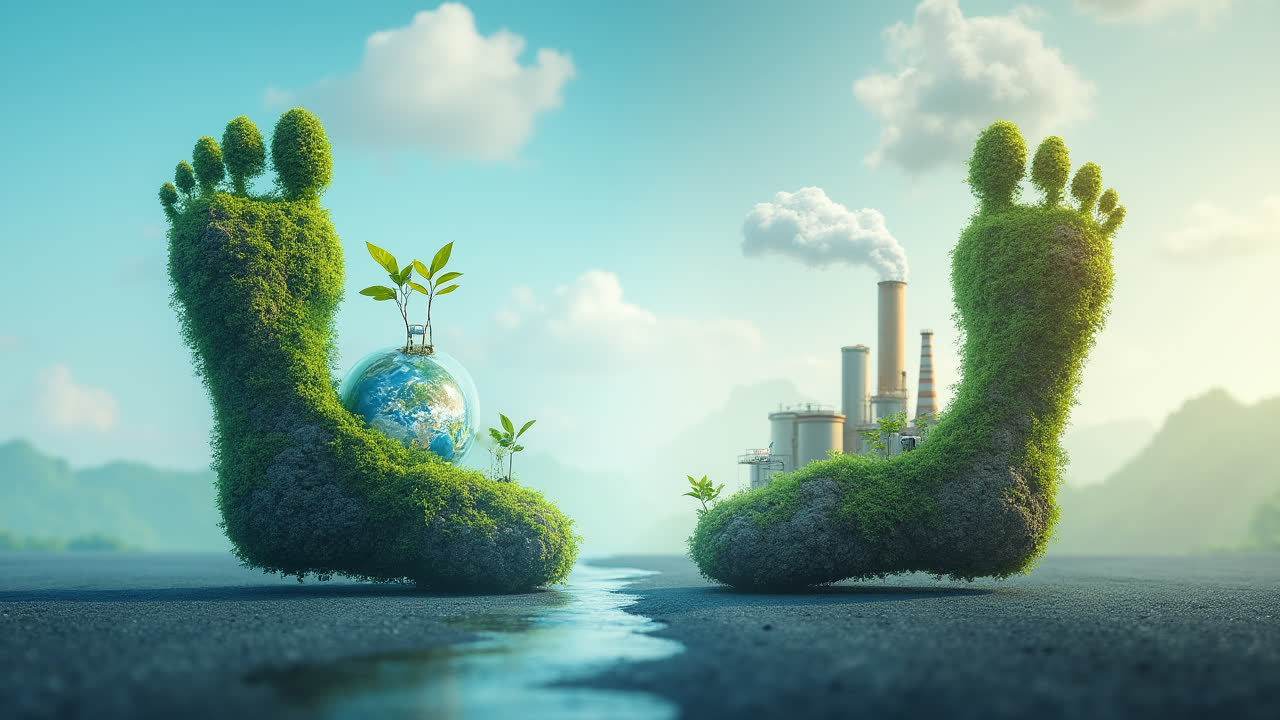
Ecological vs Carbon Footprint: Complete Comparison Guide 2026
When it comes to environmental sustainability, understanding the difference between ecological footprint and carbon footprint is crucial for making informed decisions. These two measurements help us grasp how our daily activities impact the planet, but they focus on different aspects of our environmental impact.
The ecological footprint is like a comprehensive environmental report card, measuring all the resources we consume across land and water. Meanwhile, the carbon footprint zooms in specifically on greenhouse gas emissions. Think of it this way: if environmental impact was a restaurant menu, ecological footprint would be the full course meal, while carbon footprint would be just the dessert—important, but only part of the story.
What is an Ecological Footprint?
The ecological footprint concept is essentially Mother Nature's accounting system. It tracks the total demand humans place on natural resources, measuring everything from croplands and grazing areas to fisheries and built-up lands. Imagine if the Earth had a credit card—ecological footprint would show the balance and spending patterns.
This measurement includes all biologically productive areas that support human life. Croplands provide food, forested lands produce wood, and marine areas support fisheries. The fascinating part? It even accounts for the forests needed to absorb the carbon dioxide we emit. It's like having a personal environmental bookkeeper who tracks every resource you use.
Here's something I find particularly intriguing: your ecological footprint might vary dramatically based on where you live. Someone in a rural area with a large home might have a bigger footprint than a city dweller in a small apartment, despite the latter's heavier reliance on goods transportation. Geography plays tricks on us sometimes!
Understanding Carbon Footprint
Carbon footprint is the climate change specialist among environmental measurements. It focuses exclusively on greenhouse gas emissions, primarily carbon dioxide, that result from human activities. This includes methane, nitrous oxide, and chlorofluorocarbons (CFCs) too—the supporting cast in this environmental drama.
Every time you drive your car, heat your home, or even send an email (yes, data centers use energy!), you're adding to your carbon footprint. It's like a invisible trail of emissions following you around. The main culprits? Fossil fuel combustion, electricity production, and transportation systems.
Key Similarities Between the Two Footprints
Despite their differences, these two measurements share some important characteristics. Both serve as reality checks for human consumption patterns and offer insights into our planet's sustainability. They're like different lenses on a camera—each provides a unique view of the same environmental picture.
Both concepts ultimately help us understand how our lifestyle choices affect Earth's future. Whether you're reducing your carbon emissions or conserving natural resources, you're contributing to a more sustainable world. It's reassuring to know that every small action counts, even if it feels like you're just one person in a sea of billions.
Critical Differences: A Detailed Comparison
| Feature | Ecological Footprint | Carbon Footprint |
|---|---|---|
| Definition | Measures total resources consumed across land and water | Measures total greenhouse gas emissions |
| Scope | Includes renewable and non-renewable resources | Focuses specifically on carbon dioxide and other greenhouse gases |
| Components | Land use, water consumption, waste absorption | Energy use, transportation, industrial emissions |
| Primary Impact | Overall sustainability of life on Earth | Climate change and global warming |
| Measurement Units | Hectares or global hectares | Tons of CO2 equivalent |
| Complexity | More comprehensive environmental assessment | More specific to emissions only |
| Relationship | Includes carbon footprint as a component | Subset of ecological footprint |
Which Measurement Matters More?
This is where things get interesting—and slightly controversial in environmental circles. Some argue that focusing on carbon footprint is more urgent given climate change's immediate threats. Others insist ecological footprint provides the bigger picture necessary for long-term sustainability.
In my opinion, both measurements are essential pieces of the environmental puzzle. Ignoring one for the other is like trying to navigate with only latitude but no longitude—you'll have half the picture but miss crucial information. The reality is that sustainable living requires attention to both metrics.
Practical Applications for Everyday Living
So how do these concepts translate to daily life? When you choose to walk instead of drive, you're reducing both footprints. Installing solar panels lowers your carbon emissions while also decreasing your demand on energy resources. Growing your own vegetables? That's a win for both metrics!
The beauty of understanding both measurements is that many actions benefit both. Reducing waste, conserving water, and choosing sustainable products all contribute to smaller footprints across the board. It's like hitting two birds with one stone—except we're saving birds, not harming them!
The Future of Environmental Measurement
As technology advances and environmental awareness grows, we're likely to see more sophisticated ways to measure human impact. Some researchers are already working on integrated metrics that combine various environmental factors into single measurements. Who knows? Maybe by 2026, we'll have an all-encompassing "Environmental Impact Score" like a credit score for the planet.
The important thing is to start somewhere. Whether you begin by tracking your carbon emissions or assessing your overall resource consumption, taking that first step towards awareness is what matters most. Remember, perfection isn't the goal—progress is.
Frequently Asked Questions
Can you have a small carbon footprint but large ecological footprint?
Yes, this is possible. For example, someone who lives in a remote area with solar power might have low carbon emissions but use extensive land for housing and food production, resulting in a larger ecological footprint. Similarly, efficient city dwellers might have high carbon footprints from energy use but smaller land requirements.
Which footprint should businesses focus on reducing first?
Businesses should ideally address both, but starting with carbon footprint often provides immediate climate benefits. However, companies with significant land use (agriculture, mining) might prioritize ecological footprint. The best approach depends on the industry and available resources for sustainability initiatives.
How often should I calculate my ecological and carbon footprints?
Ideally, calculate both annually to track progress and adjust habits. For more active environmental improvement, quarterly assessments work well. Many online calculators make this process simple and quick, requiring minimal time investment for valuable insights into your environmental impact.
Conclusion
Understanding the difference between ecological footprint and carbon footprint empowers you to make more informed environmental decisions. While carbon footprint focuses specifically on greenhouse gas emissions affecting climate change, ecological footprint provides a broader picture of resource consumption and overall environmental impact.
Both measurements are valuable tools in our journey towards sustainability. By considering both when making lifestyle choices, businesses decisions, and policy recommendations, we create a more comprehensive approach to environmental responsibility. Remember, the goal isn't perfection but progress—every small step towards reducing your footprints contributes to a healthier, more sustainable planet for future generations.