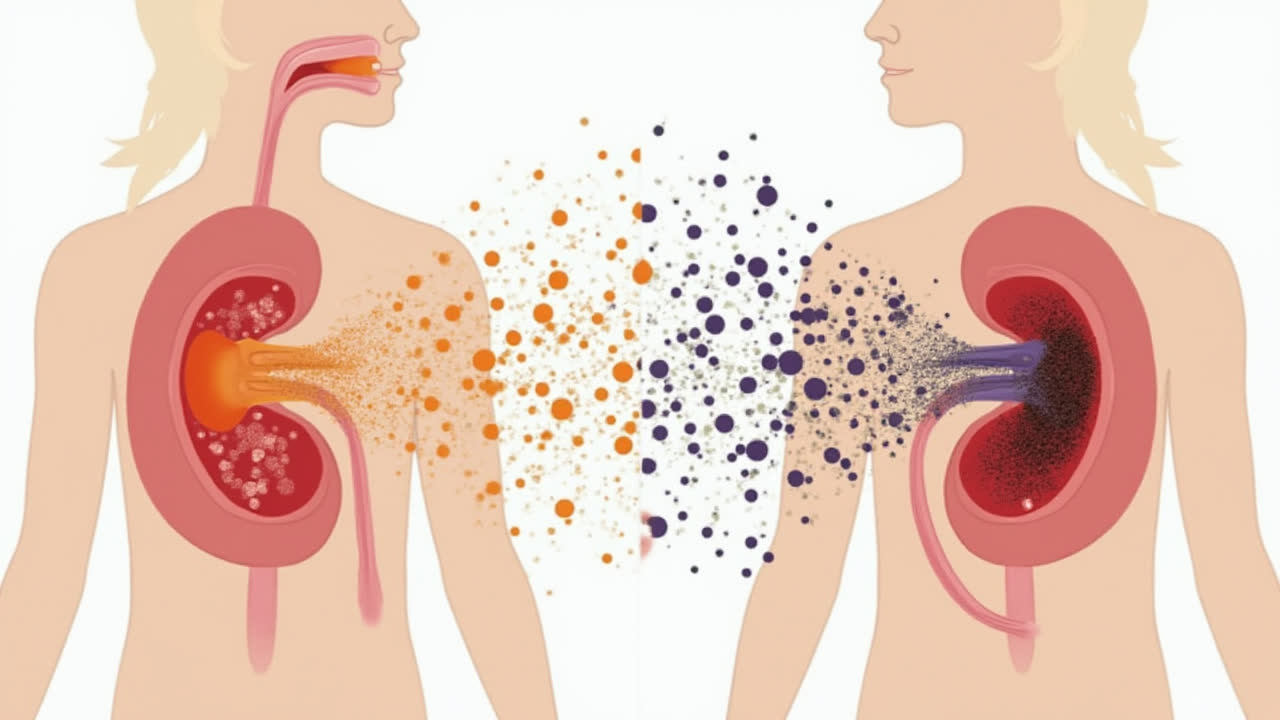
Endothermic vs Exothermic Reactions: A Complete Guide
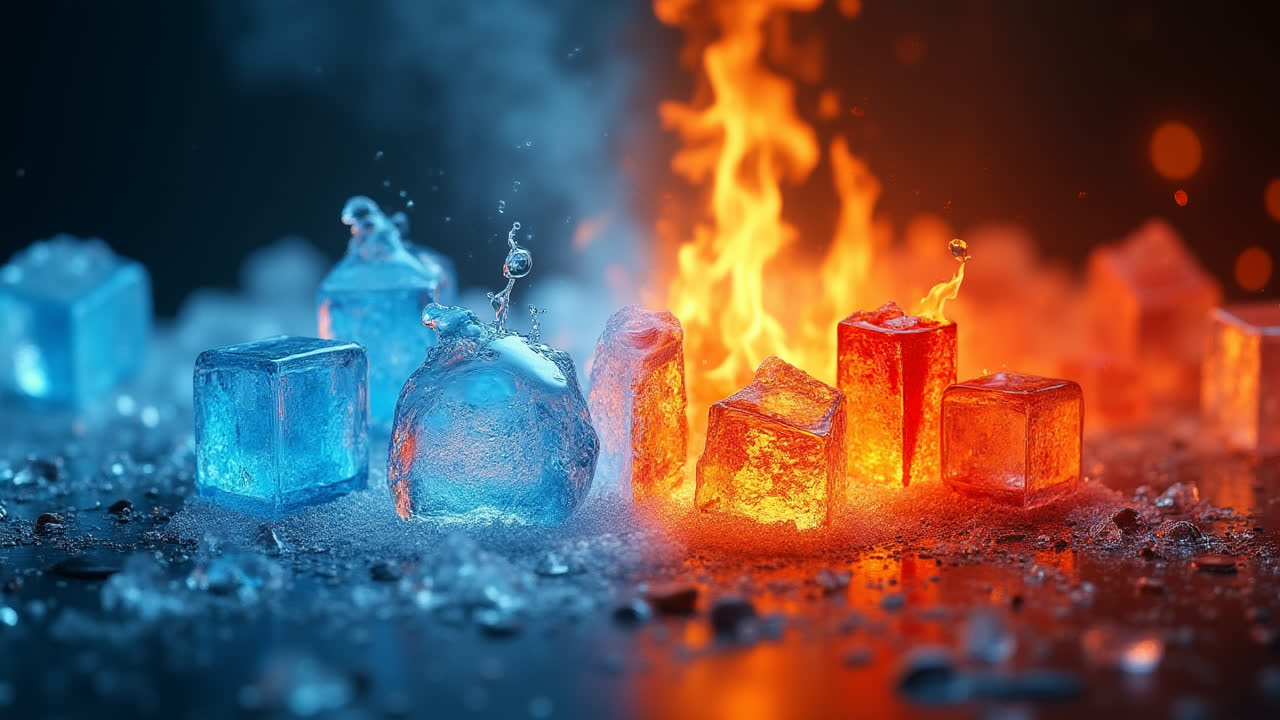
Endothermic vs Exothermic Reactions: Understanding Chemical Energy Transfer
When studying chemistry, you'll quickly encounter two fundamental types of chemical reactions that differ in how they handle energy: endothermic and exothermic reactions. These terms might sound intimidating at first, but they describe something very simple – whether a reaction absorbs or releases energy from its surroundings. Let me break this down for you in a way that makes sense without all the scientific jargon.
I've always found it fascinating how reactions that look similar on paper can behave so differently in real life. Some make test tubes feel ice-cold, while others can generate enough heat to burn your fingers! Understanding these differences isn't just academic – it's essential for anyone working with chemicals, whether you're a student, researcher, or just someone curious about how the world works.
What are Endothermic Reactions?
Think of endothermic reactions as energy sponges. They soak up heat from everything around them like a thirsty plant absorbing water. When these reactions occur, they need energy to get started and keep going, which they pull from their surroundings. This is why things cool down during endothermic reactions – the reaction is literally stealing heat from the environment.
I remember my first chemistry lab when we dissolved ammonium chloride in water. The test tube became surprisingly cold to touch, even though nothing was frozen. That's endothermic chemistry in action! The reaction was absorbing heat from my hand and the air, making the temperature drop noticeably.
The math behind endothermic reactions shows that the enthalpy change (ΔH) is always positive. This positive value means the products have more energy than the reactants because they've absorbed energy from somewhere. It's like a battery charging up – it needs external energy input to store more power.
Common Examples of Endothermic Reactions
You encounter endothermic reactions more often than you might think. Here are some everyday examples:
- Dissolving salt (like KCl) in water – notice how the water gets cold?
- Mixing citric acid with baking soda – a reaction used in those fizzy bath bombs
- Photosynthesis in plants – they absorb sunlight energy to make food
- Melting ice – requires heat energy from the environment
- Making instant cold packs for injuries
Understanding Exothermic Reactions
On the flip side, exothermic reactions are like energy generators. They release heat to their surroundings, often quite dramatically. When these reactions happen, they produce energy as a byproduct, which means containers get warm or even hot to the touch. It's the opposite of endothermic – instead of absorbing energy, they give it away freely.
I've witnessed some pretty impressive exothermic reactions in my time. Combustion reactions, for instance, can release enormous amounts of energy quickly. That's why a simple match can start a fire, and why cars run on the controlled explosions in their engines.
The enthalpy change for exothermic reactions is negative, meaning the products have less energy than the reactants. The difference in energy has been released into the environment, usually as heat. This is why campfires warm you up – the chemical reactions in burning wood release energy outward.
Real-World Examples of Exothermic Reactions
Exothermic reactions are everywhere in our daily lives:
- Burning fuel (gasoline, natural gas, wood) – the foundation of heating and transportation
- Cellular respiration in our bodies – how we generate heat to stay warm
- Disposable hand warmers – use chemical reactions to produce heat
- Setting concrete – releases heat as it hardens
- Neutralization reactions between acids and bases
| Comparison Factor | Endothermic Reactions | Exothermic Reactions |
|---|---|---|
| Energy Transfer | Absorbs energy from surroundings | Releases energy to surroundings |
| Temperature Change | Temperature decreases (feels cold) | Temperature increases (feels hot) |
| Enthalpy Change (ΔH) | Positive value (+ΔH) | Negative value (-ΔH) |
| Energy of Products | Higher than reactants | Lower than reactants |
| Energy Requirements | Needs continuous energy input | Requires initial activation energy only |
| Common Examples | Ice melting, photosynthesis, instant cold packs | Combustion, rusting, cellular respiration |
| Container Feel | Cold to touch | Warm or hot to touch |
| Energy Level Diagram | Products higher energy level | Products lower energy level |
How Temperature Affects These Reactions
Temperature plays a crucial role in both types of reactions, but in different ways. For endothermic reactions, higher temperatures generally increase the reaction rate because there's more energy available to be absorbed. It's like having a bigger energy buffet – the reaction can "eat" more and go faster.
Exothermic reactions, meanwhile, can be a bit trickier. While higher temperatures usually speed them up initially, they can sometimes release so much heat that they become self-limiting. Too much heat can actually slow down or stop some reactions. I've seen this happen with certain chemical processes where careful temperature control is crucial.
Safety Considerations
Understanding whether a reaction is endothermic or exothermic isn't just academic curiosity – it's essential for safety. Exothermic reactions can produce unexpected heat, potentially causing burns or fires if not properly controlled. I always tell students to respect these reactions and never underestimate their power.
Even endothermic reactions need caution. Just because they absorb heat doesn't mean they're harmless. Many involve reactive chemicals or can produce dangerous gases. Always use proper protective equipment and work in well-ventilated areas. Safety should never be compromised for the sake of curiosity.
Practical Applications in Industry
Industries rely heavily on both types of reactions. Endothermic reactions are used in processes like chemical cooling systems and certain manufacturing processes where temperature control is critical. For example, some food preservation techniques use endothermic reactions to maintain cold temperatures without electricity.
Exothermic reactions power much of our industrial world. From power generation to metal smelting to pharmaceutical manufacturing, these heat-releasing reactions drive countless processes. Power plants, for instance, rely on the controlled exothermic reactions of burning coal or nuclear fission to generate electricity.
Energy Diagrams and Visualization
One thing that helped me understand these concepts better was visualizing them through energy diagrams. In these diagrams, you can literally see the energy difference between reactants and products. For endothermic reactions, the line goes up, representing energy absorption. For exothermic reactions, it goes down, showing energy release.
These diagrams might seem like just another academic tool, but they're incredibly useful for predicting reaction behavior. Scientists use them to plan experiments and design safer chemical processes. Once you understand how to read them, you can tell at a glance whether a reaction will heat up or cool down your lab equipment.
Common Misconceptions
There are quite a few misconceptions about endothermic and exothermic reactions. Some people think endothermic reactions are "cold" reactions, but that's not quite right. They don't start cold – they become cold by absorbing heat from their surroundings. Similarly, exothermic reactions aren't inherently hot; they generate heat through the chemical process.
Another common mistake is thinking all chemical reactions fit neatly into these two categories. While most do, there are some reactions where the energy change is minimal or complex. Chemistry, as always, has its exceptions to every rule. But for most practical purposes, understanding endothermic and exothermic reactions covers the vast majority of chemical processes you'll encounter.
Testing for Endothermic vs Exothermic Reactions
The simplest way to test whether a reaction is endothermic or exothermic is the touch test. After starting a reaction, carefully touch the container. If it feels cold, it's endothermic. If it feels warm or hot, it's exothermic. But be careful – some reactions can get extremely hot or produce dangerous substances!
More precise methods include using thermometers or temperature probes to measure the exact temperature change. In research settings, calorimeters measure the energy changes with incredible accuracy. These tools help scientists understand exactly how much energy is involved in a reaction, which is crucial for both theoretical understanding and practical applications.
Frequently Asked Questions
What happens to the energy in endothermic reactions?
In endothermic reactions, energy is absorbed from the surroundings and stored within the chemical bonds of the products. This energy storage is why the products have a higher energy level than the reactants. The absorbed energy becomes part of the internal energy of the system, which is reflected in the positive enthalpy change (ΔH).
Can a reaction be both endothermic and exothermic?
A single reaction cannot be both endothermic and exothermic simultaneously. However, complex processes may involve multiple steps where some steps are endothermic and others are exothermic. The overall reaction energy change is determined by adding all the energy changes from individual steps. For example, some combustion reactions require initial heat input (endothermic) before they become self-sustaining and release energy (exothermic).
Why are some reactions spontaneous even if they're endothermic?
A reaction's spontaneity isn't determined by enthalpy change alone. Entropy (disorder) also plays a crucial role through Gibbs free energy (ΔG = ΔH - TΔS). Some endothermic reactions increase entropy significantly, and at certain temperatures, the entropy term can overcome the positive enthalpy change, making the reaction spontaneous. Ice melting at room temperature is a classic example of a spontaneous endothermic process.