Fudge vs Ganache: Complete Comparison Guide for Dessert Lovers
Have you ever wondered about the difference between fudge and ganache? While both are delectable confections that might make you think of chocolate, they're actually quite distinct in terms of ingredients, preparation, and uses. As someone who's spent countless hours experimenting with both in my kitchen, I've come to appreciate the unique qualities each brings to the dessert world.
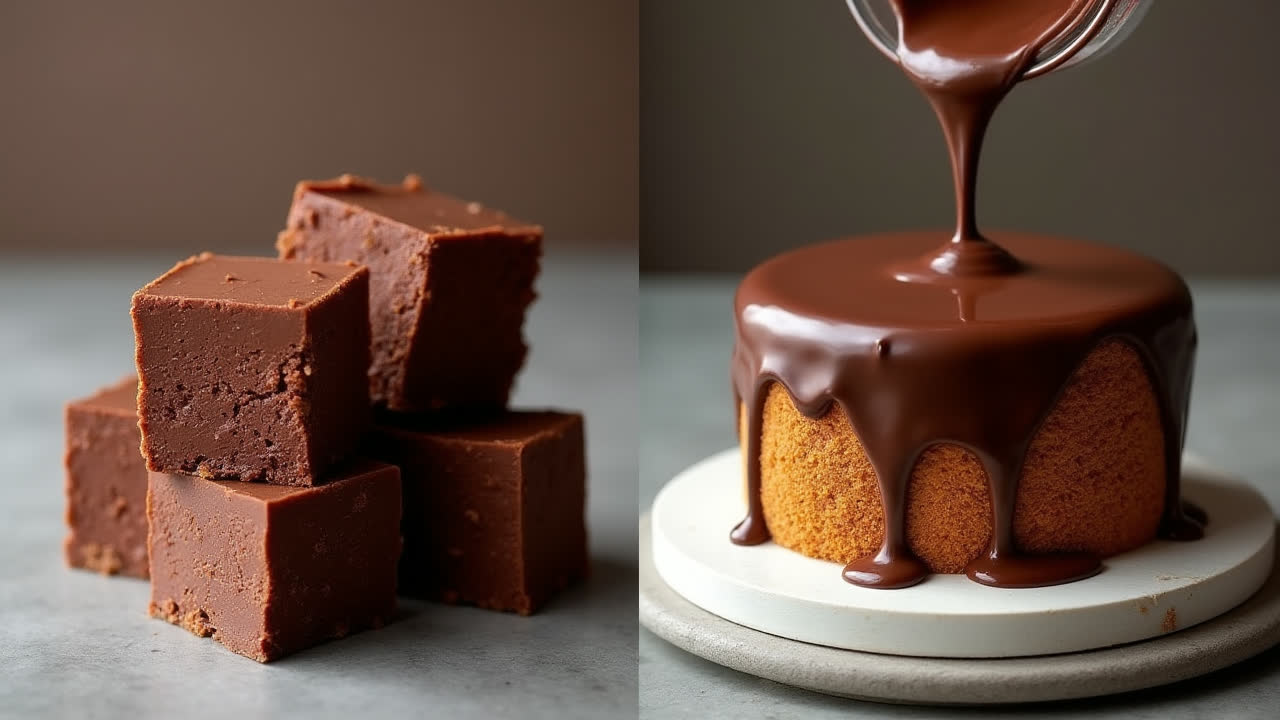
Fudge is a beloved sweet confection made primarily from sugar, butter, and milk or cream. It has a soft, crumbly, or sometimes chewy texture depending on how it's prepared. Contrary to popular belief, chocolate isn't essential to fudge, though chocolate fudge is undoubtedly the most popular variety. Ganache, on the other hand, is a luxurious mixture of chocolate and cream, used as a glaze, filling, or frosting in various pastries and desserts.
In this comprehensive guide, I'll walk you through everything you need to know about these two confectionery delights. Whether you're a home baker looking to expand your repertoire or simply a dessert enthusiast curious about what makes each unique, you'll find valuable insights here. Let's dive into the sweet world of fudge and ganache!
What is Ganache: The Silky Chocolate Delight
Ganache is essentially a mixture of chocolate and cream that creates a smooth, glossy, and rich confection. The simplicity of its ingredients belies the versatility and elegance it brings to desserts. I still remember the first time I made ganache—I was absolutely amazed at how two simple ingredients could transform into something so luxurious.
The standard ratio for making ganache is two parts chocolate to one part cream, though this can vary depending on the desired consistency and application. Dark or semisweet chocolate is traditionally used, but milk or white chocolate can also create wonderful variations with different sweetness levels and textures. The type of cream matters too—heavy cream creates the richest result, but lighter options can work in a pinch.
The basic preparation involves heating cream just until it begins to simmer (never boil, as I've learned from my mistakes!), then pouring it over finely chopped chocolate. After letting it sit for a minute or two, you gently stir until the mixture becomes smooth and uniform. Some bakers, myself included, like to add a small amount of butter to enhance the ganache's shine and silky texture.
What makes ganache truly special is its transformative nature. When warm, it's pourable and perfect as a glaze for cakes or a dip for strawberries. At room temperature, it becomes firmer and can be used as a filling for truffles or layer cakes. When whipped, it transforms into a light, mousse-like frosting that pipes beautifully. And when chilled and shaped, it becomes the foundation for luxurious chocolate truffles.
While chocolate is the star ingredient in ganache, creative bakers often enhance it with various flavors. A splash of liqueur (Grand Marnier or Baileys work beautifully), a few drops of extract (vanilla, mint, or orange), or even some instant espresso powder can take your ganache to new heights. I once added a hint of cardamom to my dark chocolate ganache for a dinner party, and it was an absolute hit!
What is Fudge: The Classic Sweet Confection
Fudge holds a special place in the world of confections. Despite its reputation as a chocolate treat, traditional fudge is actually defined by its preparation method and texture rather than its flavor. At its core, fudge is a crystalline candy made from sugar, butter, and milk or cream, cooked to the soft-ball stage and then beaten while cooling to achieve its characteristic texture.
Making proper fudge requires attention to detail and a bit of chemistry knowledge. The temperature matters tremendously—too hot, and you'll end up with hard candy; not hot enough, and it won't set properly. I learned this the hard way during my early attempts, ending up with either fudge sauce or something closer to toffee! The ideal temperature range is between 234°F and 238°F (112°C and 114°C), known as the "soft-ball stage" in candy making.
The magic of fudge happens during the cooling and beating process. As the mixture cools, the agitation causes sugar crystallization, but in a controlled way that creates very small crystals—giving fudge its smooth, creamy texture rather than a grainy one. It's fascinating to watch the transformation from a glossy liquid to a thicker, matte mixture as you beat it.
While vanilla fudge made with just the base ingredients is delicious, chocolate is indeed the most popular addition, creating what most people think of when they hear "fudge." But the versatility of fudge extends far beyond chocolate. You'll find maple fudge, peanut butter fudge, coffee fudge, and countless other variations. Mix-ins like nuts, marshmallows, cookie pieces, or dried fruit create endless possibilities. During the holidays, I make a cranberry-pistachio white chocolate fudge that disappears within minutes at family gatherings.
It's worth noting that in the United States and Canada, "hot fudge" refers to something entirely different—a thick, chocolate-flavored sauce used primarily as an ice cream topping. While related to traditional fudge in flavor profile, it has a different preparation method and consistency. I've confused many European friends with this distinction!
Comprehensive Comparison: Fudge vs Ganache
| Characteristic | Fudge | Ganache |
|---|---|---|
| Primary Ingredients | Sugar, butter, milk/cream | Chocolate, heavy cream |
| Role of Chocolate | Optional (flavor addition) | Essential (main ingredient) |
| Preparation Method | Heated to soft-ball stage, beaten while cooling | Cream heated, poured over chocolate, stirred until smooth |
| Texture | Soft, crumbly or chewy | Smooth, silky; varies with temperature |
| Primary Use | Eaten as a standalone confection | Used as glaze, filling, frosting, or truffle base |
| Temperature Sensitivity | Requires specific temperature (234-238°F) | More forgiving, adaptable to different temperatures |
| Sugar Crystallization | Essential to the process and texture | Avoided (crystallization ruins ganache) |
| Difficulty Level | Moderate to challenging | Relatively simple |
Culinary Applications: How to Use Fudge and Ganache
One of the most significant differences between fudge and ganache lies in how they're used in the culinary world. Understanding these applications can help you decide which one to make for your specific dessert needs. I've experimented with both in countless ways, and each has its sweet spot (pun intended!) in the kitchen.
Ganache Applications
Ganache is remarkably versatile and transforms based on its temperature and consistency. When warm and fluid, it makes an elegant glaze that flows over cakes, creating that perfect mirror-like finish that makes professional desserts so appealing. I've found that adding a small amount of corn syrup to glazing ganache helps maintain that gorgeous shine even after it sets.
At room temperature, ganache becomes firmer but still spreadable, making it perfect as a cake filling or frosting. I often use this consistency for layer cakes, spreading it between sponge layers and around the exterior for a smooth, sophisticated finish. For a truly decadent dessert, try using ganache to fill a tart shell, then top with fresh berries—the contrast of rich chocolate and bright fruit is simply divine.
When chilled and firm, ganache can be scooped, rolled into balls, and coated with cocoa powder, chopped nuts, or more melted chocolate to create classic chocolate truffles. This is a favorite holiday activity in my house—we make batches of different flavored ganache truffles for gifts. The joy on recipients' faces is worth every minute spent rolling those little chocolate spheres!
Fudge Applications
Unlike ganache, traditional fudge is primarily enjoyed as a standalone sweet rather than an ingredient in other desserts. It's typically cut into squares and eaten as candy, making it perfect for gift-giving, holiday treat plates, or sweet indulgences. The density and rich sweetness of fudge means a small piece satisfies even the strongest sweet tooth.
That said, creative pastry chefs have found ways to incorporate fudge into other desserts. Chopped fudge makes an excellent mix-in for ice cream or as a topping for brownies and cakes. I've even seen fudge used as a filling for sandwich cookies or as layers in elaborate dessert bars. Once, for a particularly elaborate dessert, I created a layered parfait with vanilla bean ice cream, chunks of chocolate fudge, and a drizzle of warm ganache—it was a textural adventure that highlighted the distinctions between these two chocolate treatments.
It's worth mentioning that "hot fudge sauce" for ice cream sundaes actually has more in common with ganache in terms of preparation, despite its name's connection to fudge. This sauce typically contains chocolate, sugar, butter, and cream but doesn't go through the crystallization process that defines true fudge.
Mastering the Techniques: Tips for Perfect Results
Over the years, I've had my fair share of successes and failures with both fudge and ganache. These experiences have taught me valuable lessons that I'm happy to share with fellow dessert enthusiasts. Whether you're a beginner or looking to refine your skills, these tips should help you achieve better results.
Ganache Success Tips
When making ganache, quality ingredients make a tremendous difference. Use the best chocolate you can afford—the flavor of your ganache will only be as good as the chocolate you start with. I've found that chocolate with around 55-70% cocoa solids creates a balanced ganache that's neither too sweet nor too bitter. For a truly smooth ganache, chop your chocolate very finely before adding the hot cream; this ensures even melting without requiring excessive stirring.
Temperature control is crucial for ganache. Heat your cream just until you see tiny bubbles around the edge—never let it boil vigorously. After pouring the cream over chocolate, resist the urge to stir immediately. Let it sit for a minute or two to allow the hot cream to melt the chocolate gently. When you do stir, start from the center and work outward in concentric circles. This method helps emulsify the mixture properly and prevents those dreaded streaks or separated ganache.
If disaster strikes and your ganache separates (appearing grainy or oily), don't panic! You can often rescue it by adding a small amount of very hot cream while whisking vigorously. In extreme cases, a blender or immersion blender can re-emulsify the mixture. I once saved a splitting ganache for a friend's wedding cake using this technique—crisis averted!
Fudge Success Tips
Fudge is notably trickier to master, but understanding the science helps. Use a reliable candy thermometer—visual cues alone aren't reliable enough for the precision required. Resist the temptation to stir continuously during cooking, as this can cause premature crystallization. Instead, stir just enough to prevent scorching at the bottom of the pan.
Weather matters more than you might think when making fudge. Humidity can prevent proper setting, so avoid making fudge on particularly damp or rainy days if possible. If you live in a humid climate, you might need to cook your fudge to the higher end of the temperature range to compensate.
The cooling and beating phase is where many fudge attempts go wrong. Allow the mixture to cool undisturbed until it reaches about 110°F (43°C) before beginning to beat it. Beat too soon, and you'll get large sugar crystals and grainy fudge; wait too long, and it might set in the pan before you can shape it. The transformation happens quite suddenly—the mixture will lose its glossy appearance and begin to thicken noticeably. At this point, work quickly to transfer it to your prepared pan before it sets completely.
Frequently Asked Questions About Fudge and Ganache
Can I substitute ganache for fudge in recipes?
While ganache and fudge have different properties, you can sometimes use ganache in place of fudge as a filling or topping. However, they're not directly interchangeable in recipes that call specifically for one or the other. Ganache won't hold its shape like fudge when used as a standalone confection, and fudge typically can't be used as a pourable glaze like warm ganache. If you're looking to substitute, consider the texture and setting properties needed in your specific recipe. For example, a firm, chilled ganache might work in some applications where soft fudge is called for, particularly as a filling.
Why did my ganache separate or become grainy?
Ganache separation typically happens for a few reasons: excessive heat, vigorous stirring, or improper chocolate-to-cream ratio. If your cream was too hot or you stirred too aggressively, the fat from both the chocolate and cream can separate from the solids. To fix a separated ganache, try adding a small splash of very hot cream or milk while gently whisking. For a stubborn separation, let the mixture cool slightly, then use an immersion blender on low speed to re-emulsify it. Prevention is best—use gentle heat, stir slowly from the center outward, and ensure your chocolate is finely chopped for even melting.
How long do homemade fudge and ganache last?
Properly stored homemade fudge can last 1-2 weeks at room temperature in an airtight container. For longer storage, fudge can be refrigerated for up to 3 weeks or frozen for 2-3 months. Ganache has a shorter shelf life due to its higher cream content. Refrigerated ganache typically lasts 1-2 weeks. Both confections should be stored away from strong odors, as they can absorb flavors from their environment. When freezing either fudge or ganache, wrap them tightly in plastic wrap, then aluminum foil to prevent freezer burn. Allow frozen confections to thaw gradually in the refrigerator before serving for the best texture.
Creative Variations to Try
The world of fudge and ganache extends far beyond the classic chocolate varieties. As someone who loves experimenting in the kitchen, I've discovered countless delicious variations that might inspire your next baking adventure. Who knows—you might discover a new favorite!
Exciting Fudge Variations
- Salted Caramel Fudge: Replace some of the sugar with caramel and add a generous sprinkle of flaky sea salt for a sweet-salty experience.
- Cookies and Cream Fudge: White chocolate fudge base with crushed chocolate sandwich cookies folded in—always a crowd-pleaser.
- Spiced Chai Fudge: Infuse the milk with chai spices before making traditional fudge for a warming, aromatic treat.
- Maple Walnut Fudge: Use real maple syrup and toasted walnuts for a rustic, autumnal variation.
- Peanut Butter Cup Fudge: Layer chocolate fudge with peanut butter fudge and add chopped peanut butter cups for an indulgent dessert.
Innovative Ganache Variations
- Lavender White Chocolate Ganache: Infuse the cream with dried lavender before straining and using it to make a delicate white chocolate ganache.
- Espresso Dark Chocolate Ganache: Add instant espresso powder to the cream for a coffee-infused ganache that's perfect for mocha lovers.
- Orange Cardamom Ganache: Steep cardamom pods and orange zest in the cream for an aromatic, citrusy ganache.
- Raspberry Balsamic Ganache: Add a splash of good-quality balsamic vinegar and some raspberry purée to dark chocolate ganache for a sophisticated flavor profile.
- Matcha White Chocolate Ganache: Whisk ceremonial-grade matcha powder into the cream before adding it to white chocolate for a beautiful green tea-flavored ganache.
Conclusion: Choosing Between Fudge and Ganache
Both fudge and ganache hold special places in the world of confections, each with unique qualities that make them suited to different applications. Fudge, with its sweet, crumbly texture and standalone nature, offers a traditional candy experience that's perfect for gifting and sweet indulgences. Ganache, with its silky smoothness and versatility, serves as a foundational element in countless elegant desserts.
The main difference comes down to their essential ingredients and purpose. While chocolate is optional in fudge, it's the star of the show in ganache. Fudge relies on sugar crystallization for its texture, while ganache depends on emulsification between chocolate and cream. Fudge is typically enjoyed on its own, while ganache usually enhances other desserts.
Whether you're in the mood for a piece of creamy chocolate fudge or a dessert glazed with rich ganache, understanding the differences between these two confections can help you appreciate the craftsmanship behind each sweet bite. Perhaps you'll even be inspired to try making both in your own kitchen—each offers its own rewarding experience and delicious results.
Which will you try first? A batch of classic chocolate fudge with walnuts, or perhaps a dark chocolate ganache to glaze your next homemade cake? Whichever you choose, the world of chocolate confections awaits your exploration!