Hairspray vs Finishing Spray: Which One Is Best For Your Hair?
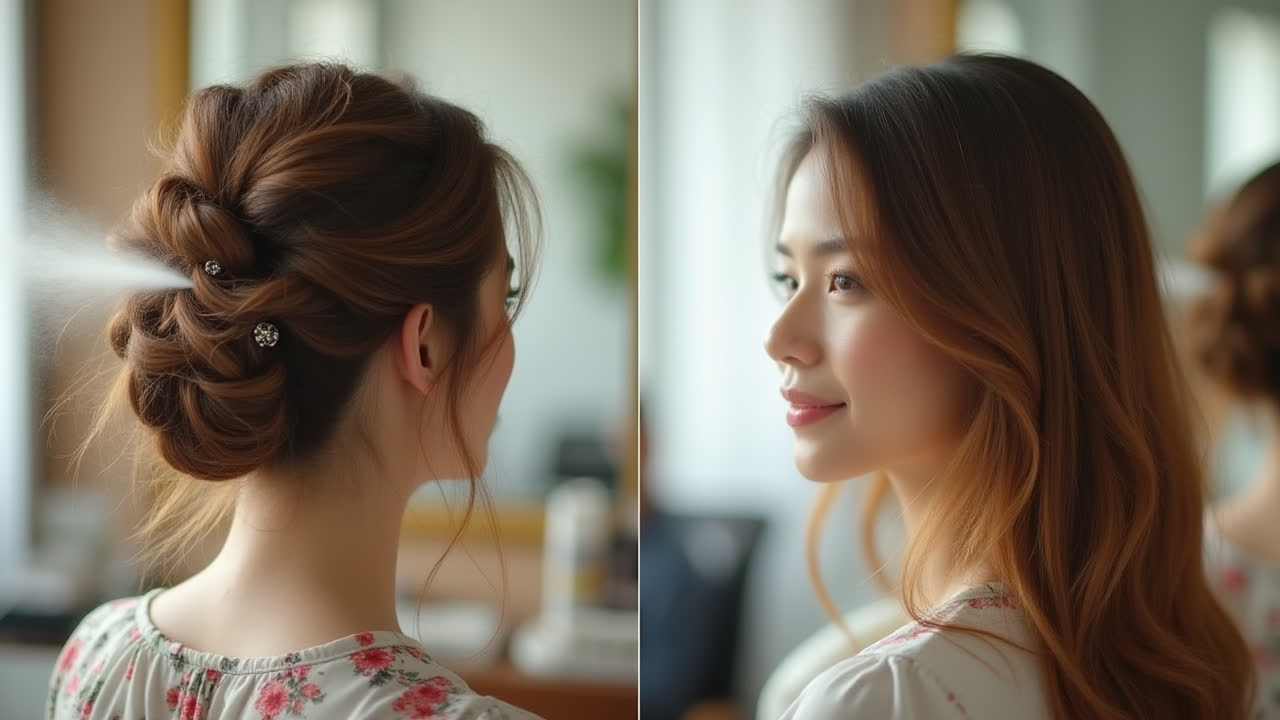
Have you ever stood in the hair care aisle, staring at the endless array of styling products, wondering what exactly sets a hairspray apart from a finishing spray? You're not alone. The distinction between these two popular hair styling products often causes confusion, even among those who use them regularly. In this comprehensive guide, we'll break down everything you need to know about these essential styling allies.
The main difference between hairspray and finishing spray lies in their formulation and intended purpose. While they might seem interchangeable at first glance, understanding their unique characteristics can significantly impact your hairstyling results. Let's dive into the world of hair setting products to help you make an informed choice for your specific styling needs.
What Is Hairspray? Understanding The Basics
Hairspray is a versatile styling product designed to hold your hair in place after styling. It creates a lightweight polymer coating around the hair strands, providing structural support that prevents movement and helps maintain your desired style. This classic hair product has been a staple in styling routines for decades, evolving significantly from the stiff, helmet-like formulas of the past.
Modern hairsprays come in various formulations offering different levels of hold. You'll typically find them categorized as light-hold, medium-hold, strong-hold, or extra-strong hold. The hold factor indicates how firmly the product will keep your hair in position throughout the day. Light-hold options allow for more natural movement, while strong-hold varieties offer maximum staying power for elaborate styles.
Beyond just holding your style in place, today's hairsprays often include additional benefits like humidity resistance, UV protection, and ingredients that add shine or volume. Many contemporary formulas are also designed to be flexible, allowing you to brush through your hair without flaking or stiffness—a significant improvement over traditional hairsprays.
Hairsprays typically come in two delivery formats: aerosol cans and pump sprays. Aerosol versions dispense a fine, even mist that distributes the product evenly, while pump sprays often provide a wetter application that some curly-haired individuals prefer for definition. Each format has its advantages depending on your styling goals and hair type.
What Is Finishing Spray? The Specialized Solution
A finishing spray is essentially a specialized type of hairspray, but with distinct properties that set it apart from standard formulations. As the name suggests, it's designed to be the final step in your styling routine, providing that perfect finishing touch to complete your look.
Finishing sprays typically offer stronger hold than regular hairsprays while maintaining a lightweight feel. They're formulated to dry quickly on contact, creating an invisible shield around your hair that locks your style in place without appearing stiff or unnatural. This makes them particularly valuable for special occasions or elaborate hairstyles that need to stay perfectly in place for extended periods.
One of the standout features of a quality finishing spray is its ability to add significant shine to your hair. The formulation often includes light-reflecting ingredients that enhance hair's natural luster without creating unwanted greasiness. This shine-boosting property makes finishing sprays particularly beneficial for formal hairstyles where that polished, glossy look is desired.
Additionally, finishing sprays are typically formulated with humidity-resistant properties, making them excellent for controlling frizz and flyaways even in challenging weather conditions. Many professional stylists reach for finishing sprays when creating wedding hairstyles or red carpet looks precisely because of their ability to maintain perfection regardless of environmental factors.
Key Differences Between Hairspray and Finishing Spray
While both products serve the purpose of setting your hairstyle, several fundamental differences influence when and how you might use each one. Understanding these distinctions will help you choose the right product for your specific styling needs.
| Comparison Factor | Hairspray | Finishing Spray |
|---|---|---|
| Holding Power | Varies from light to strong depending on the formula | Generally provides firmer, stronger hold |
| Shine Factor | Moderate shine or matte finish depending on formulation | Enhanced shine and light-reflecting properties |
| Drying Time | Standard drying time | Fast-drying formula for immediate setting |
| Humidity Resistance | Varies by formula; typically moderate | High humidity resistance to prevent frizz |
| Application Stage | Can be used throughout styling process | Designed specifically as the final styling step |
| Flexibility | Can range from flexible to firm hold | Typically less flexible; prioritizes hold over movement |
| Best For | Everyday styles, casual looks, layered styling | Special occasions, formal styles, humidity protection |
| Residue | May leave some residue depending on formula | Typically leaves minimal to no visible residue |
When To Use Hairspray
Hairspray is incredibly versatile and can be incorporated into your styling routine in multiple ways. Understanding when to reach for this product will help you maximize its effectiveness for different hairstyling scenarios.
For everyday styling, a light to medium-hold hairspray offers just enough control while maintaining natural movement. It's perfect for basic styles like loose waves, soft curls, or simply taming flyaways on straight hair. The flexibility of these formulas allows you to run your fingers through your hair throughout the day without breaking the hold or creating flakes.
Hairspray can also be used strategically throughout the styling process rather than just at the end. For example, lightly misting sections of hair before curling can help the curl pattern set more effectively. Similarly, spraying a small amount on a bobby pin before inserting it can provide better grip for updo styles.
If you're creating volume at the roots, a quick spray of hairspray at the crown before backcombing can significantly enhance the staying power of your teased sections. This technique is particularly useful for styles like pompadours or half-up looks that require height at the crown.
Many professional stylists also recommend using hairspray on a clean mascara wand or small brush to tame those persistent baby hairs around the hairline. This targeted application provides control without overloading the rest of your style with product.
When To Use Finishing Spray
Finishing spray shines in situations where maximum hold and polish are priorities. Its specialized formulation makes it particularly valuable for certain styling scenarios where standard hairspray might fall short.
For special occasions like weddings, formal events, or photography sessions, finishing spray provides that extra insurance that your hairstyle will remain flawless throughout extended wear. The enhanced holding power keeps elaborate updos, intricate braids, or sculptural styles exactly as intended, even through hours of movement or dancing.
If you're styling in humid or challenging weather conditions, a finishing spray's superior frizz control and humidity resistance become essential advantages. The formulation creates a stronger barrier against moisture in the air, preventing the dreaded expansion and collapse that can occur with less specialized products.
Finishing spray is also the preferred choice when you need that camera-ready shine that photographs beautifully. The light-reflecting properties enhance your hair's natural luster without creating the wet or greasy appearance that can sometimes happen with shine-specific products. This makes it a favorite for red carpet stylists and wedding hair professionals.
For styles that incorporate multiple elements—like a half-up, half-down style with both sleek and textured components—finishing spray provides the perfect final touch to unify and secure the entire look. It's especially effective for sealing the edges of smooth styles like sleek ponytails or buns where a polished perimeter makes all the difference.
How To Apply Both Products Effectively
Proper application technique dramatically impacts how effective your styling products will be. Let's explore the best practices for applying both hairspray and finishing spray to achieve optimal results.
Hairspray Application Tips
When applying regular hairspray, distance matters significantly. Hold the can approximately 10-12 inches away from your hair to allow the product to disperse evenly without creating wet spots that can collapse your style. Too close, and you'll get product build-up in specific areas; too far, and the spray might not reach your hair effectively.
Consider using hairspray in layers rather than one heavy application. Start with a light mist, allow it to dry for a few seconds, then add another layer if needed. This building approach creates more natural-looking hold without the stiffness that can come from overloading your hair with product at once.
For styles that require flexible movement, try spraying hairspray onto a brush and then running it through your hair. This technique distributes the product more subtly and prevents that "crunchy" feeling that can occur with direct application.
Finishing Spray Application Tips
Finishing spray works best when applied to completely styled, dry hair as the very last step in your routine. Make sure all pins are secure and all sections are exactly where you want them before applying, as this product is designed to lock everything in place with minimal flexibility for adjustment afterward.
Use a sweeping motion when applying finishing spray, moving the can in a continuous arc around your head rather than focusing too long on any one area. This technique ensures even coverage and prevents potential product buildup that could weigh down your style.
For maximum shine benefit from your finishing spray, direct the product slightly upward toward your hair rather than straight at it. This angle helps the light-reflecting particles settle on the surface of your strands where they'll catch the light most effectively.
Ingredient Differences and Hair Health Considerations
Beyond their functional differences, hairsprays and finishing sprays often differ in their ingredient compositions, which can impact both performance and hair health over time. Being aware of these distinctions helps you make choices that support your overall hair care goals.
Traditional hairsprays typically contain varying levels of alcohol, which helps the product dry quickly on the hair. While effective for styling purposes, high alcohol content can potentially lead to dryness with frequent use. Many modern formulations now include conditioning ingredients to counteract this effect, but it's worth checking the ingredient list if you have particularly dry or damaged hair.
Finishing sprays often incorporate more specialized polymers designed for exceptional hold without flexibility. These ingredients create a stronger film on the hair surface, which explains their superior holding power but also means they typically require more thorough cleansing to remove completely. If you're using finishing spray regularly, consider using a clarifying shampoo once weekly to prevent product buildup.
Environmental protection ingredients are increasingly common in both products, though finishing sprays tend to include more robust protective elements. Look for ingredients like UV filters and antioxidants that can help shield your hair from environmental aggressors, particularly if you spend significant time outdoors.
For those with sensitive scalps or respiratory concerns, it's worth noting that pump spray versions of both products generally contain fewer propellants than their aerosol counterparts. While aerosols typically provide a finer, more even distribution, pump sprays might be preferable for individuals with sensitivities to certain aerosol ingredients.
Frequently Asked Questions
Can I use finishing spray as a regular hairspray?
While you technically can use finishing spray in place of regular hairspray, it's not ideal for everyday styling. Finishing spray provides stronger hold and less flexibility, which may make your hair feel unnecessarily stiff for casual styles. It's also typically more expensive than regular hairspray, making it less economical for daily use. For best results, save your finishing spray for special occasions or styles that truly need that extra hold and shine, and rely on regular hairspray with the appropriate hold level for your everyday needs.
How do I remove finishing spray without damaging my hair?
Finishing spray's strong hold can make it challenging to remove completely with regular shampooing. For thorough removal without causing damage, start by thoroughly brushing your hair before washing to break up the product coating. Use warm (not hot) water to help dissolve the product, and consider using a clarifying shampoo specifically designed to remove styling product buildup. For particularly stubborn residue, a pre-shampoo treatment with a small amount of apple cider vinegar diluted in water can help dissolve the polymers in the finishing spray before your regular cleansing routine.
Can finishing spray help with humidity resistance better than anti-frizz products?
Finishing sprays and anti-frizz products work differently to combat humidity. Finishing sprays create a physical barrier that seals the hair cuticle and prevents moisture from penetrating, which makes them excellent for maintaining the shape and structure of a specific style in humid conditions. Anti-frizz products, on the other hand, typically work by adding moisture and oils to the hair to prevent it from seeking environmental moisture. For maximum humidity protection, the best approach is often to layer products: use your anti-frizz product during the styling process to prepare your hair, then seal everything with a finishing spray as the final step. This combination provides both internal moisture balance and external protection against humidity.
Conclusion: Choosing The Right Product For Your Styling Needs
The choice between hairspray and finishing spray ultimately comes down to your specific styling goals, hair type, and the look you're trying to achieve. While they may seem similar at first glance, understanding their unique properties enables you to leverage each product for its intended purpose.
For everyday styles that require natural movement and flexibility, a light to medium-hold hairspray will typically serve you best. These formulations provide enough control to maintain your style while allowing your hair to move naturally throughout the day. They're ideal for casual looks, workday styles, and situations where you might want to restyle your hair mid-day.
When you're preparing for special occasions, photoshoots, or situations where your hair needs to withstand challenging conditions, reaching for a finishing spray makes more sense. The enhanced hold, superior shine, and humidity resistance make it the perfect choice for creating styles that need to remain flawless for extended periods without touch-ups.
Many hair enthusiasts find that having both products in their styling arsenal provides the most versatility. You might use hairspray for day-to-day styling and keep finishing spray on hand for those occasions when perfection is non-negotiable.
Remember that regardless of which product you choose, proper application technique significantly impacts your results. Taking the time to apply your chosen product correctly—at the right distance, with the right motion, and in appropriate amounts—will help you achieve the best possible outcome for your hair type and desired style.
As with all hair products, personal experimentation is key to finding what works best for your unique hair texture, styling routine, and lifestyle. Don't be afraid to try different formulations and application methods until you discover the perfect combination that helps you achieve your hair goals consistently.