Histofreezer vs Liquid Nitrogen: Which Cryotherapy Option is Better?
Histofreezer vs Liquid Nitrogen: Which Cryotherapy Option is Better?
When it comes to cryotherapy treatments, two names often come up: Histofreezer and liquid nitrogen. As someone who's had experience with both in medical settings, I can tell you that while they serve similar purposes, they're quite different beasts. If you're wondering which one might be right for your treatment needs, you're in the right place.
Understanding Cryotherapy
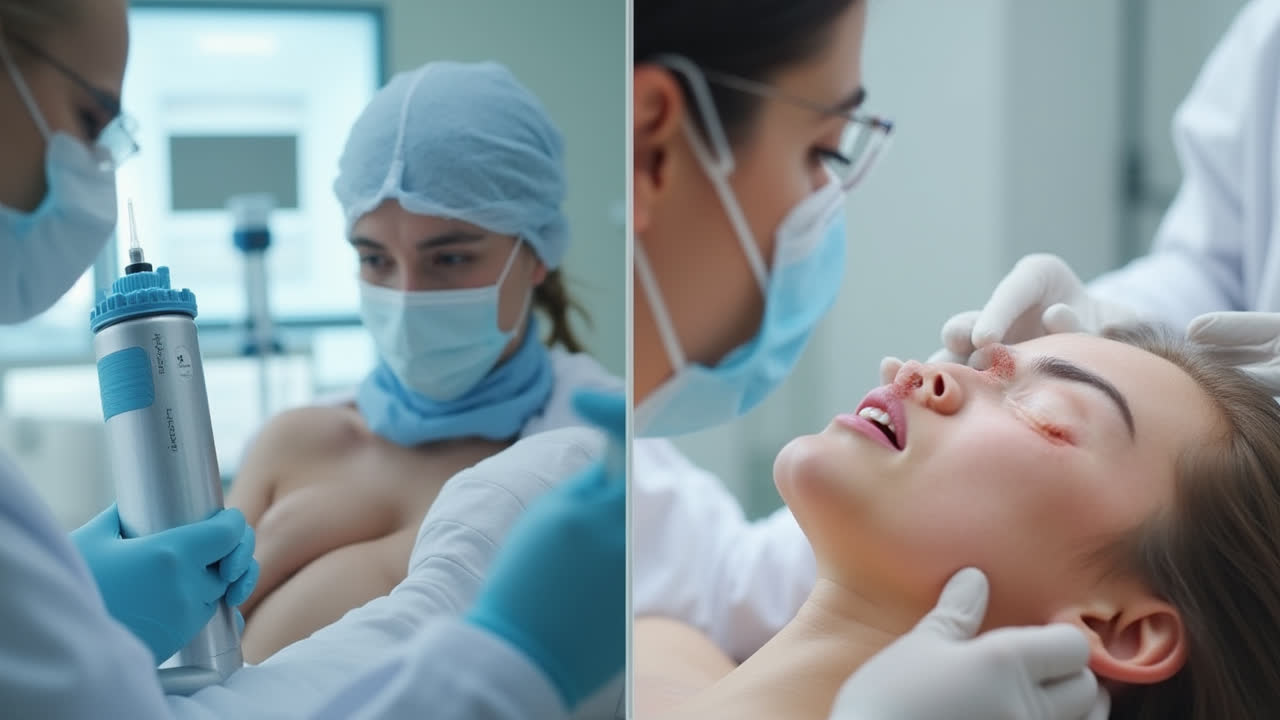
Let's start with the basics. Cryotherapy involves using extreme cold to treat various skin conditions, from stubborn warts to benign lesions. Think of it as a controlled freeze for your skin issues. Both Histofreezer and liquid nitrogen excel at this, but they go about it in distinctly different ways.
The goal is simple: freeze the unwanted tissue enough to destroy it without causing excessive damage to healthy skin. It's a delicate balance, and the choice between these two options can make a real difference in your treatment experience.
What Exactly is Histofreezer?
Histofreezer is the newer kid on the block. It's a cryogenic material made from a mixture of dimethyl ether and propane. With a freezing temperature of around -60°C, it's considerably "warmer" than its liquid nitrogen counterpart. This might sound strange – after all, -60°C is still pretty darn cold! But in the world of cryotherapy, this difference is significant.
I've seen doctors appreciate Histofreezer because it's portable and easy to handle. Unlike liquid nitrogen that requires special storage tanks, Histofreezer comes in convenient canisters that can be stored at room temperature. It's like the difference between keeping ice cream in your freezer versus needing a specialized freezer unit.
The Power of Liquid Nitrogen
Liquid nitrogen, on the other hand, is the heavy hitter. At an incredibly cold temperature of -196°C, it's one of the coldest substances used in medical practice. This cryogenic fluid is colorless, odorless, and has been the go-to option for cryotherapy for decades.
When I watch liquid nitrogen applications, it's almost like magic – the tissue freezes instantly. But with great power comes greater responsibility. The extreme cold can cause severe burns if not handled properly, which is why you'll always see medical professionals using special protective equipment when working with it.
Head-to-Head Comparison
| Feature | Histofreezer | Liquid Nitrogen |
|---|---|---|
| Freezing Temperature | -60°C | -196°C |
| Composition | Dimethyl ether and propane | Pure nitrogen (liquid state) |
| Storage Requirements | Room temperature canister | Specialized cryogenic containers |
| Risk of Tissue Damage | Lower due to warmer temperature | Higher due to extreme cold |
| Treatment Effectiveness | Moderate - good for smaller lesions | High - effective for larger, stubborn lesions |
| Ease of Application | Simple, user-friendly | Requires more training and caution |
| Cost | Generally more expensive per use | More economical for frequent applications |
| Safety Profile | Safer for inexperienced users | Requires strict safety protocols |
Treatment Applications and Effectiveness
Both options are fantastic for treating common warts, plantar warts, and other benign skin lesions. However, I've noticed that liquid nitrogen often works better for larger or more stubborn conditions. It's like using a sledgehammer versus a precision tool – sometimes you need that extra power.
For smaller warts or in situations where precision is key, Histofreezer can be the better choice. I've seen it used effectively in pediatric settings where the gentler approach is appreciated by both young patients and their parents.
Safety Considerations
Here's where the real difference becomes obvious. Histofreezer's warmer freezing temperature makes it significantly safer to use. While neither option is completely risk-free, liquid nitrogen demands much more respect and careful handling.
I've witnessed minor accidents with both. A drop of liquid nitrogen on unprotected skin can cause instant, severe pain and damage. Histofreezer, while still cold enough to be uncomfortable, is far less likely to cause serious injury if accidentally applied incorrectly.
Cost and Accessibility
When it comes to your wallet, there's an interesting trade-off. Histofreezer units might cost more upfront per application, but they're incredibly convenient and don't require the infrastructure that liquid nitrogen does. For small clinics or occasional use, this can be a game-changer.
Liquid nitrogen, while potentially more cost-effective for high-volume practices, requires special storage equipment and training. It's like choosing between buying a bicycle or a car – both get you places, but the initial investment and maintenance differ significantly.
Real-World Patient Experience
From a patient's perspective, the experience differs too. Liquid nitrogen treatments can be more intense – there's often a sharp, immediate sensation followed by temporary discomfort. With Histofreezer, patients generally report a more gradual, less intense freezing sensation.
Recovery times are usually similar, with both methods potentially causing blistering and scabbing. However, Histofreezer tends to result in less severe reactions, making it more comfortable for sensitive patients or those treating areas near delicate skin.
Environmental and Storage Considerations
Here's something many people don't consider: storage and environmental impact. Liquid nitrogen constantly evaporates and needs regular refilling, even when not in use. Histofreezer canisters, once sealed, can sit on a shelf indefinitely without waste.
For environmentally conscious practices, this difference matters. There's less product waste with Histofreezer, and the packaging is typically more recyclable than cryogenic storage containers.
When to Choose Each Option
So, which should you choose? It's not always a straightforward answer. Liquid nitrogen remains the gold standard for stubborn lesions and when maximum effectiveness is needed. It's particularly useful for treating multiple warts or larger areas.
Histofreezer shines in situations requiring portability, when treating smaller lesions, or when patient comfort is a primary concern. It's also ideal for practitioners who don't treat cryotherapy patients frequently enough to justify maintaining liquid nitrogen equipment.
Frequently Asked Questions
Q: Is Histofreezer as effective as liquid nitrogen for wart removal?
For small to medium-sized warts, Histofreezer can be just as effective as liquid nitrogen. However, for larger, more stubborn warts or multiple warts, liquid nitrogen's colder temperature often provides better results. The effectiveness ultimately depends on the specific condition being treated and the experience of the practitioner.
Q: Which option has fewer side effects and is safer?
Histofreezer generally has fewer severe side effects due to its warmer freezing temperature (-60°C vs -196°C). It's less likely to cause severe burns or tissue damage if misapplied. However, both options can cause temporary discomfort, blistering, and skin discoloration. Histofreezer is considered safer for home use and less experienced practitioners.
Q: Can I use Histofreezer or liquid nitrogen at home?
Histofreezer is available in over-the-counter formulations for home use, specifically designed for treating warts. However, liquid nitrogen is generally not recommended for home use due to its extreme cold and potential for serious injury. Always follow package instructions carefully and consult a healthcare provider for persistent or concerning skin conditions.
The Bottom Line
Both Histofreezer and liquid nitrogen have earned their place in modern medical practice. The choice between them often comes down to specific needs, practitioner preference, and individual patient considerations.
If you're a healthcare provider looking for a convenient, portable option for occasional use, Histofreezer might be your best bet. For high-volume practices or when treating particularly challenging lesions, liquid nitrogen's effectiveness is hard to beat.
Ultimately, the best cryotherapy option is the one that effectively treats your condition while providing the safest, most comfortable experience. Whether you end up with the gentle freeze of Histofreezer or the deep cold of liquid nitrogen, both have helped countless patients achieve clear, healthy skin.
Remember, always consult with a qualified healthcare provider before starting any cryotherapy treatment. They can help you choose the right option based on your specific needs and medical history.