How to Become an Uber Driver: Complete Step-by-Step Guide
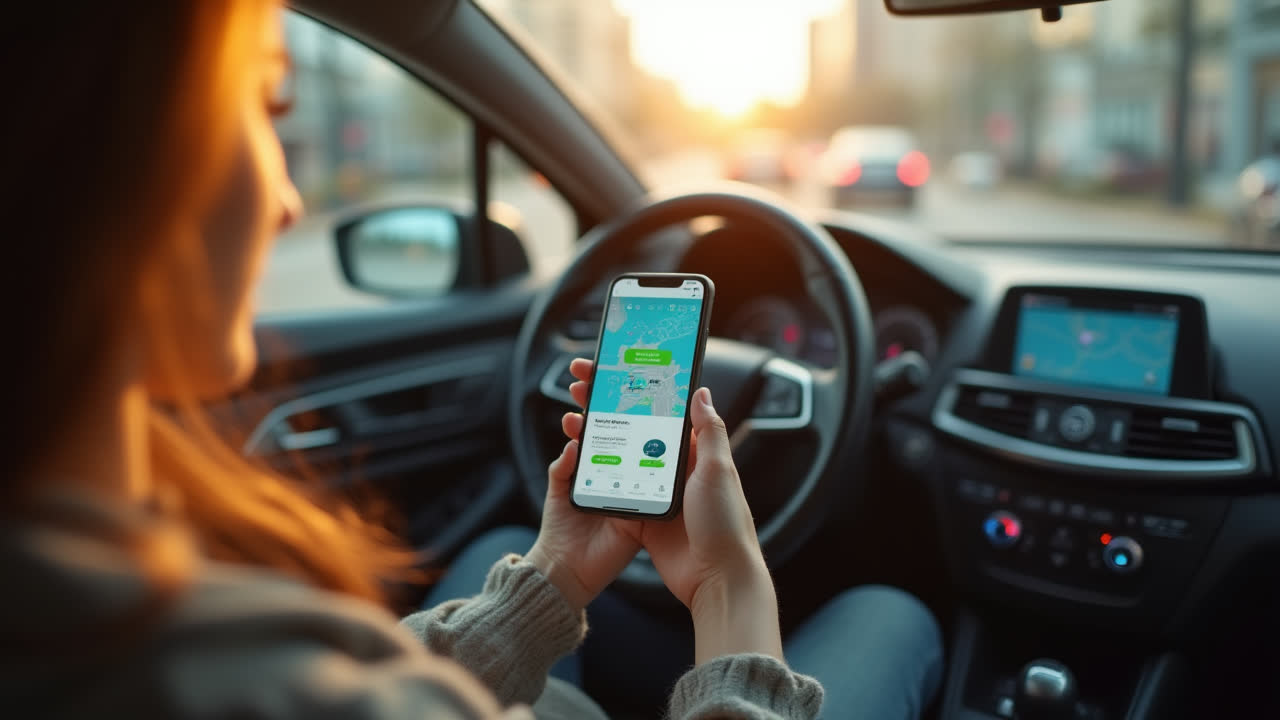
Looking to make some extra cash with a flexible schedule? Becoming an Uber driver might be the perfect opportunity for you. I've been researching the ride-sharing economy for years, and honestly, Uber stands out as one of the most accessible side hustles available today. With the freedom to choose your own hours and the ability to start earning quickly, it's no wonder so many people are turning to Uber to supplement their income or even as a full-time gig.
When I first considered driving for Uber, I was overwhelmed by the information online. That's why I've created this comprehensive guide that breaks down everything you need to know about getting started as an Uber driver. From basic requirements to the application process and even tips on maximizing your earnings – I've got you covered.
Whether you're between jobs, looking to make some extra money on weekends, or simply enjoy driving around your city, this guide will walk you through the process of joining Uber's network of drivers. Trust me, the sign-up process is simpler than you might think, and you could be on the road earning money sooner than you expect!
Basic Requirements to Become an Uber Driver
Before diving into the application process, it's important to understand if you meet the fundamental requirements to drive for Uber. From my experience researching the field, these requirements ensure both driver and passenger safety while maintaining Uber's service standards.
First things first, you need to be of legal driving age in your city with at least one year of licensed driving experience (three years if you're under 25). Your driving record matters too – Uber conducts background checks to ensure you don't have major moving violations or a history of reckless driving. I was surprised to learn that even a DUI from years back could potentially disqualify you.
When it comes to documentation, you'll need to have several items ready when applying. The basic documents required include:
- A valid driver's license
- Proof of residency in your city or state
- Proof of auto insurance if you're planning to use your own vehicle
- A clear profile photo for your driver profile
- National Identity Card (requirements vary by country)
Beyond these basics, Uber typically conducts a background check that looks into your criminal history. Don't worry though – this process usually takes about 5-7 days, though I've heard from some drivers that it can sometimes stretch to two weeks. In my opinion, this thoroughness is actually reassuring since it helps ensure everyone's safety on the platform.
Something I found particularly interesting is that the requirements can vary significantly depending on where you live. For example, some cities require drivers to obtain additional permits or licenses specifically for ride-sharing services. I'd recommend checking Uber's specific requirements for your city before starting the application process – it could save you some headaches down the road!
The Application Process: Step by Step
Ready to join Uber? The application process is surprisingly straightforward. I remember thinking it would be complicated, but it's actually designed to be user-friendly. Here's how to get started:
The easiest path to becoming an Uber driver begins with downloading the Uber Driver app from the Google Play Store or Apple App Store. Alternatively, you can visit partners.uber.com to sign up through their website. The mobile app route is what I'd recommend – it feels more streamlined and you'll need the app anyway once you start driving.
After downloading the app, you'll need to create an account and provide basic information about yourself. This includes your name, contact information, and location. Be sure to use a phone number you have reliable access to, as Uber will use this for verification and important communications. I learned this the hard way when I initially tried signing up with my old number that I rarely checked!
Next comes the documentation stage. You'll need to upload clear photos of all required documents through the app. This typically includes:
- Your driver's license (front and back)
- Vehicle registration (if using your own car)
- Proof of insurance (must show your name)
- Any additional documents required in your specific location
Once you've submitted your documents, Uber begins their review process. This includes the background check I mentioned earlier, which looks at both your driving and criminal history. The waiting game begins here – typically it takes about two weeks for Uber to complete all necessary checks, though sometimes it can be quicker.
After approval, you'll gain full access to the driver features in the app. At this point, you can set up your payment information to ensure you get paid for your rides. Uber offers direct deposit to your bank account, and payments are typically processed weekly. Though honestly, one of the things I appreciate about Uber is their Instant Pay feature, which allows you to cash out up to five times daily for a small fee – perfect for when you need quick access to your earnings.
Vehicle Requirements: What Car Can You Use?
Let's talk about what might be the most important factor in your Uber journey – your vehicle. Uber has specific requirements for the cars that can be used on their platform, and these standards help ensure passenger comfort and safety. From what I've gathered, these requirements might seem strict at first glance, but they're actually quite reasonable.
All Uber vehicles must meet these basic requirements:
- Must be newer than 10 years old (in most markets)
- Must have four doors (no two-door coupes allowed)
- Must have working seatbelts for the driver and all passengers
- Must pass a vehicle inspection
- Must not have salvage or rebuilt title
- Must not display commercial branding or advertisements
I was surprised to learn that the age requirement varies significantly by city. While many locations require vehicles to be no more than 10 years old, some more competitive markets like New York City might require newer models – typically 5 years old or newer. This is definitely something to check before you commit to using your current vehicle.
The vehicle inspection is another crucial step. Depending on your location, you may need to have your car inspected at an Uber Greenlight Hub or at an approved auto shop. They'll check everything from your brakes and tires to your lights and suspension. I've heard from some drivers that this inspection is pretty thorough – they won't let safety issues slide.
If you don't own a suitable vehicle, don't worry! You still have options. Uber has partnerships with rental companies in many cities that offer weekly rental deals specifically for Uber drivers. While this cuts into your profits, it can be a good way to test the waters without committing to a car purchase. I know a couple of drivers who started this way before eventually buying vehicles specifically for their Uber business.
One last thing to consider: the type of vehicle you drive will determine which Uber services you can offer, which directly impacts your earning potential. I'll break this down in more detail in the next section.
Understanding Uber Services and How They Affect Your Earnings
One thing that initially confused me about Uber was the variety of services they offer. Each service has different vehicle requirements and, importantly, different fare structures. Understanding these differences can help you maximize your earning potential.
The most common Uber service is UberX, which is what most drivers start with. This service uses regular sedans that can seat up to four passengers. Think Honda Accord, Toyota Camry, or similar mid-size cars. UberX is the most frequently requested service, so you'll likely get plenty of ride requests, though the fares are on the lower end of the spectrum.
If you have a larger vehicle like an SUV or minivan that can comfortably seat six passengers, you can qualify for UberXL. These rides cost more than UberX, so when you do get XL requests, you'll earn more per trip. In my research, I've found that many savvy drivers with eligible vehicles choose to accept both UberX and UberXL rides to maximize their opportunities.
Uber Select is where things start getting more premium. This service requires newer, entry-level luxury vehicles with leather interiors – think BMW 3 Series, Mercedes C-Class, or Audi A4. The fares are significantly higher than UberX, but in my experience talking to drivers, the request volume is much lower unless you're in a major metropolitan area or wealthy suburb.
At the top end of the spectrum are Uber Black and Uber SUV, which are Uber's professional chauffeur services. These require commercial registration and insurance, late-model luxury vehicles (usually in black), and often additional licensing depending on your location. The fares are the highest, but the barrier to entry is also much higher.
There's also UberPool (or Uber Share in some markets), which is a shared ride service that picks up multiple passengers heading in similar directions. While the individual fares are lower, you can potentially earn more overall by having multiple passengers in the car simultaneously. That said, many drivers I've spoken with have mixed feelings about Pool rides because they can be more complicated and time-consuming.
In certain regions, particularly in the Indian subcontinent, Uber offers Uber Go, which uses compact cars like Suzuki Alto and Tata Nano. This service is tailored to those markets and their specific transportation needs.
When deciding which services to offer, consider both your vehicle type and your location. In busy downtown areas, UberX and Pool might keep you consistently busy, while in upscale neighborhoods, having a vehicle that qualifies for Select might be more profitable despite fewer requests. It's all about finding the right balance for your specific situation.
Regional Requirements: How They Vary Around the World
If there's one thing I've learned researching Uber globally, it's that requirements can vary dramatically depending on where you're located. What works in Los Angeles won't necessarily apply in London or Mumbai. These regional differences reflect local transportation laws and regulations, which Uber must comply with in each market.
In India, for example, drivers need some specific documentation that wouldn't be required elsewhere. This includes a Delhi PSV badge (if driving in Delhi) or an up-to-date Police Verification certificate. Additionally, drivers need to provide two No Objection Certificates and a cancelled cheque for payment processing. These requirements reflect India's specific regulatory environment for transportation services.
Drivers in South Africa face a different set of requirements. They must obtain a Professional Driver's Permit (PDP) specific to the city they'll be driving in. They also need an Operator Card from the licensing department and a Receipt of Application for Operating License from the Department of Transportation. When I looked into this further, I discovered these requirements are designed to integrate ride-sharing services into South Africa's existing transportation framework.
In Australia, the process seems somewhat more straightforward. Drivers need to provide a passport or birth certificate for identification, and if available, a Driver's Accreditation (essentially a taxi license). They also need to submit a current photograph. However, each Australian state has its own additional requirements – what works in Sydney might not be sufficient in Melbourne.
The United Kingdom has perhaps one of the more straightforward additional requirements: a private hire license. However, obtaining this license itself can be a complex process involving knowledge tests, background checks, and medical examinations. London in particular has some of the strictest requirements for ride-share drivers in the world.
Even within countries, requirements can vary by city or state. This is particularly true in the United States, where transportation regulations are often managed at the local level. For instance, New York City requires TLC (Taxi and Limousine Commission) licensing for Uber drivers, a process that can take several months and involves additional costs.
The best approach? Once you sign up for the Uber Driver app and enter your specific location, the app will show you exactly what documentation you need for your area. I've found this to be much more reliable than trying to research requirements independently, as Uber keeps their in-app information updated to reflect current local regulations.
Comparing Uber Driver Options: Independent vs. Fleet Partner
| Comparison Point | Independent Uber Driver | Fleet Partner Driver |
|---|---|---|
| Vehicle Ownership | Own your vehicle | Drive vehicle owned by fleet partner |
| Initial Investment | Higher (must purchase/maintain vehicle) | Lower (no vehicle purchase required) |
| Earnings Share | Keep 100% of earnings (after Uber's cut) | Split earnings with fleet partner (typically 60-70%) |
| Schedule Flexibility | Complete freedom to set own hours | May have minimum hour requirements |
| Maintenance Responsibility | Responsible for all maintenance costs | Maintenance typically covered by fleet partner |
| Insurance Costs | Must pay for commercial/rideshare insurance | Insurance typically covered by fleet partner |
| Getting Started Timeline | Longer (if you need to acquire a suitable vehicle) | Faster (vehicle already available) |
| Long-term Profitability | Higher potential (once vehicle is paid off) | Lower ceiling (due to revenue sharing) |
Tips for Success as a New Uber Driver
After talking with dozens of Uber drivers and researching best practices, I've compiled some insider tips that can help you succeed from day one. These aren't just theoretical ideas – they're practical strategies that real drivers use to maximize their earnings and provide better service.
First and foremost, understanding surge pricing can significantly boost your earnings. Surge pricing occurs when demand for rides exceeds the number of available drivers in a specific area, causing fare prices to increase. The Uber Driver app will show these areas in real-time, usually highlighted in red or orange. If you can position yourself in or near these areas before they surge (based on patterns you observe over time), you can capitalize on higher fares. I know drivers who have doubled their hourly earnings just by strategically working during surge periods!
Another crucial tip is to keep your vehicle clean and well-maintained. This might seem obvious, but it has tangible benefits beyond just passenger comfort. Higher ratings lead to more ride requests, and nothing tanks your rating faster than a dirty or poorly maintained vehicle. I recommend keeping a small cleaning kit in your trunk and doing quick cleanups between rides when possible. Also, regular maintenance helps avoid costly breakdowns that could leave you unable to drive for days or weeks.
Learning your city's rhythms can also dramatically improve your efficiency. Every city has its own patterns of rider demand – morning commutes, lunch rushes, evening entertainment districts, airport runs, etc. By tracking when and where you get the most ride requests, you can create a loose schedule that maximizes your time on the road. For instance, if you notice airport pickups tend to pay well but have long waits, you might decide they're only worth it during certain hours.
Managing expenses is another area where new drivers often struggle. Remember that as an independent contractor, you're responsible for tracking all your business expenses for tax purposes. This includes gas, maintenance, car washes, portion of your phone bill, and even items like water or mints if you provide them to passengers. I strongly recommend using an expense tracking app specifically designed for rideshare drivers – it'll save you headaches come tax time.
Finally, don't underestimate the importance of customer service. Simple things like greeting passengers by name, confirming their destination, asking about temperature preferences, and offering a phone charger can significantly impact your ratings. Higher ratings not only feel good but can qualify you for better opportunities within the Uber platform. Some drivers I've spoken with even develop a personal brand or style of service that helps them stand out and receive better tips.
Frequently Asked Questions
How long does the Uber driver application process take?
The Uber driver application process typically takes between 3-15 days to complete, depending on your location and how quickly your background check processes. Document verification usually happens within 2-3 days, while the background check can take anywhere from a few days to two weeks. In some cities with additional licensing requirements, the process might take longer. To speed things up, make sure all your documents are clear and up-to-date when you submit them through the app.
Can I drive for Uber if I don't own a car?
Yes, you can drive for Uber without owning a car through several options. The most common approach is working with a fleet partner who owns vehicles specifically for Uber drivers to use, typically splitting the earnings. Another option is using Uber's vehicle rental partners like Hertz, which offer weekly rentals specifically for rideshare drivers. Some cities also have rental startups specialized in rideshare vehicle rentals. Keep in mind that while these options get you on the road without buying a car, they do reduce your overall earnings since you're paying rental fees or sharing profits.
How much can I realistically earn as a new Uber driver?
Earnings for new Uber drivers vary significantly based on location, hours worked, and strategy, but most full-time drivers report earning between $15-25 per hour before expenses. Urban drivers typically earn more than suburban or rural drivers due to higher demand and surge pricing opportunities. Your vehicle type also impacts earnings—UberXL and Uber Select drivers can earn more per ride than UberX drivers. Remember that as an independent contractor, you'll need to account for expenses like gas, maintenance, and taxes, which typically reduce net earnings by 20-30%. Many new drivers also receive incentive bonuses for completing their first set of rides, which can boost initial earnings.
Conclusion: Is Becoming an Uber Driver Right for You?
After diving deep into the requirements, process, and realities of becoming an Uber driver, the big question remains: is it the right opportunity for you? As with any job opportunity, the answer depends on your personal circumstances, goals, and expectations.
The flexibility of driving for Uber is perhaps its biggest selling point. You really can work whenever you want, whether that's full-time, weekends only, or just a few hours when you need extra cash. This makes it particularly attractive for students, parents with school-aged children, or anyone with a variable schedule. I've always valued flexibility in my work, and few opportunities offer the level of freedom that Uber does.
The income potential, while variable, can be significant with the right strategy. Drivers in busy urban areas who understand surge pricing and work during high-demand periods can earn well above minimum wage. However, it's important to be realistic about expenses – gas, maintenance, depreciation, and taxes will all cut into your gross earnings. The drivers I've spoken with who are most satisfied with their earnings are those who approached Uber with clear eyes about these costs.
One aspect that surprised me in my research was how many drivers value the social component of the job. If you enjoy meeting new people and having interesting conversations, driving for Uber provides a constant stream of new interactions. Of course, the flip side is that customer service is a big part of the job – if dealing with occasionally difficult customers sounds draining, this might not be the right fit.
Ultimately, becoming an Uber driver offers a relatively low barrier to entry into the gig economy, with the potential for immediate earnings and complete schedule flexibility. Whether it's a stepping stone to other opportunities, a way to supplement your income, or potentially a full-time career, the choice is yours. The best part? You can try it out without making a long-term commitment – if it doesn't work for you, you can simply stop accepting rides.
If you decide to move forward, remember that success as an Uber driver often comes down to smart strategies, excellent customer service, and diligent expense management. With the right approach, you could join the ranks of drivers who have found financial freedom and work-life balance in this modern gig opportunity.


Related Posts