Lactase vs Beta-Galactosidase: Understanding the Critical Differences
When it comes to enzyme biology and digestive health, lactase and beta-galactosidase are two terms that often appear in discussions about dairy digestion and lactose intolerance. While these enzymes share some similarities and are sometimes confused with each other, they have distinct characteristics that set them apart. Have you ever wondered why some people can enjoy dairy products without issues while others experience discomfort? The answer lies in these fascinating enzymes.
Both lactase and beta-galactosidase play crucial roles in breaking down lactose, the primary sugar found in milk and dairy products. However, their specificity, sources, and applications differ significantly. Understanding these differences not only helps us grasp fundamental concepts in biochemistry but also provides insights into digestive health conditions like lactose intolerance and the production of lactose-free dairy products.
In this comprehensive guide, we'll explore the unique properties of these enzymes, their functions in human digestion and various industrial applications, and the key differences that distinguish one from the other. Whether you're a student studying biochemistry, someone dealing with lactose intolerance, or simply curious about how your body processes dairy, this article will provide valuable insights into these important biological catalysts.
What is Lactase? Definition and Functions
Lactase is a specialized enzyme that belongs to the glycoside hydrolase family. Its primary function is highly specific – to hydrolyze lactose (milk sugar) into its constituent monosaccharides: glucose and galactose. This process is essential for proper digestion of dairy products, as the small intestine can readily absorb these simple sugars, but cannot effectively absorb the disaccharide lactose directly.
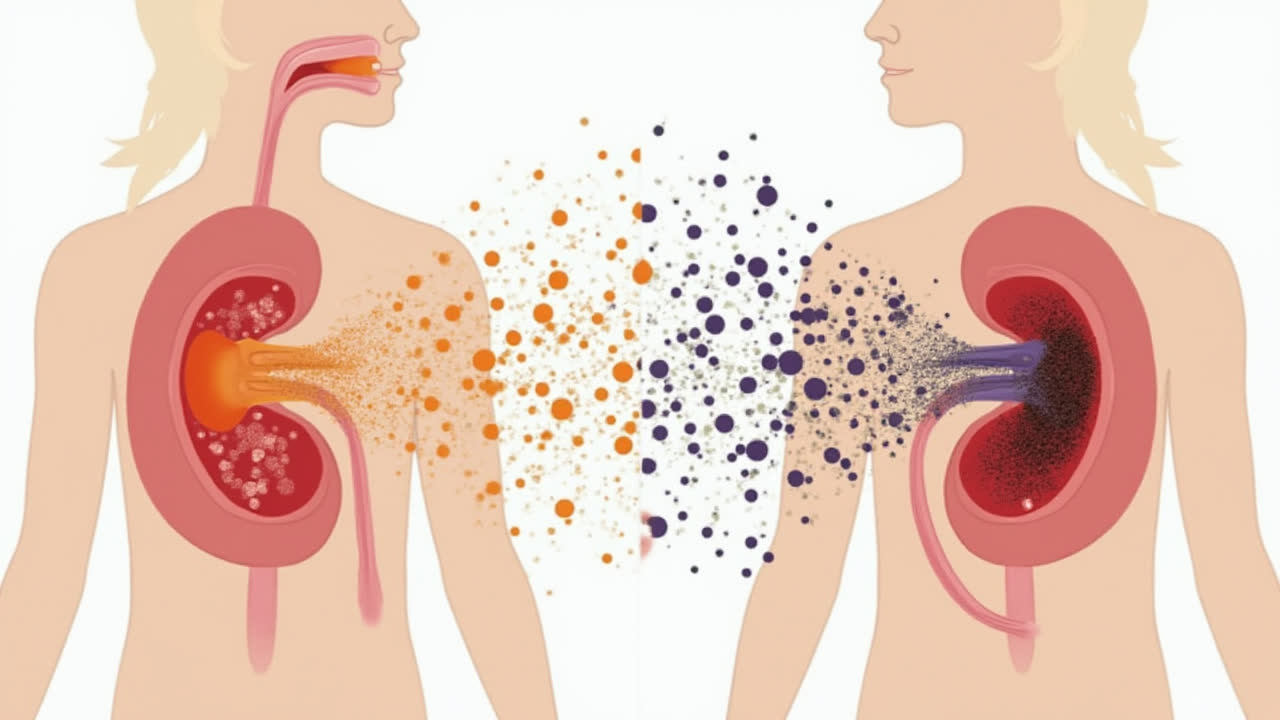
In humans and other mammals, lactase is produced in the small intestine, specifically in the brush border of the intestinal lining. The enzyme's production is regulated by genetic factors, which explains why lactase persistence (the continued production of lactase into adulthood) varies significantly across different populations worldwide. In many mammals and some human populations, lactase production naturally declines after weaning, leading to what we now recognize as lactose intolerance.
The molecular structure of lactase consists of a single polypeptide chain with a specific active site that facilitates lactose cleavage. This active site contains amino acid residues that interact with the lactose molecule in a highly specific manner, allowing the enzyme to catalyze the hydrolysis reaction with remarkable efficiency. The chemical reaction can be represented as:
Lactose + H2O → Glucose + Galactose
From an evolutionary perspective, lactase has played a significant role in human dietary adaptation. The ability to digest lactose beyond infancy (lactase persistence) is considered a relatively recent genetic adaptation that emerged with the domestication of dairy animals approximately 10,000 years ago. This adaptation has been particularly advantageous in populations with a history of dairy farming, providing an additional valuable food source rich in calories, protein, and calcium.
Understanding Beta-Galactosidase: A Broader Enzyme Class
Beta-galactosidase, often abbreviated as β-gal or β-galactosidase, represents a broader class of enzymes found across a diverse range of organisms. Unlike the more specialized lactase, beta-galactosidase enzymes can hydrolyze various galactoside compounds that contain β-galactose molecules, making them more versatile in their substrate specificity. This versatility explains why the term encompasses a group of enzymes rather than a single specific enzyme.
These enzymes belong to family 2 of the glycoside hydrolases and are ubiquitous in nature, occurring in bacteria, fungi, plants, and animals. The structure of beta-galactosidase typically consists of a single polypeptide chain with a specific active site responsible for catalyzing the hydrolysis of β-galactosides. The active site contains amino acid residues that interact with the substrate, facilitating the cleavage of the glycosidic bond.
One of the most well-studied beta-galactosidases comes from the bacterium Escherichia coli, where it plays a role in lactose metabolism. In E. coli, the enzyme is encoded by the lacZ gene, which is part of the lac operon – a classic model system for gene regulation in prokaryotes. This bacterial beta-galactosidase has been extensively used in molecular biology as a reporter gene in recombinant DNA technology.
Beyond its natural biological functions, beta-galactosidase has found numerous applications in biotechnology and industry. In the food sector, it's used to produce lactose-free dairy products, while in molecular biology, it serves as a valuable tool for gene expression studies through techniques like the β-galactosidase assay. The enzyme's ability to cleave synthetic substrates like X-gal (5-bromo-4-chloro-3-indolyl-β-D-galactopyranoside) to produce colored compounds has made it particularly useful in blue-white screening methods for identifying recombinant bacteria.
Key Similarities Between Lactase and Beta-Galactosidase
Before diving deeper into their differences, it's important to understand the common ground shared by lactase and beta-galactosidase. These similarities explain why the terms are sometimes used interchangeably, particularly in discussions about lactose digestion:
- Substrate Specificity: Both enzymes exhibit specificity for β-galactosides, meaning they can catalyze the hydrolysis of compounds containing β-galactose molecules.
- Reaction Type: They both catalyze hydrolysis reactions, specifically targeting glycosidic bonds.
- Role in Lactose Digestion: Both enzymes can break down lactose into glucose and galactose, albeit with different levels of efficiency and specificity.
- Classification: Both belong to the glycoside hydrolase family of enzymes.
- Applications: Both have applications in producing lactose-free dairy products for people with lactose intolerance.
These shared characteristics have practical implications, particularly in the context of dietary supplements for lactose intolerance. Many over-the-counter lactase supplements actually contain beta-galactosidase derived from fungi or bacteria rather than mammalian lactase, yet they effectively serve the purpose of aiding lactose digestion.
Detailed Comparison: Lactase vs Beta-Galactosidase
| Comparison Factor | Lactase | Beta-Galactosidase |
|---|---|---|
| Definition | A specific enzyme produced in the small intestine of mammals that hydrolyzes lactose | A broader class of enzymes capable of hydrolyzing various β-galactosidic bonds |
| Specificity | Highly specific for lactose | Can hydrolyze various galactoside compounds, including lactose |
| Source | Primarily found in the small intestine of mammals | Found in various organisms including bacteria, fungi, plants, and animals |
| Primary Function | Digestive enzyme for lactose breakdown in mammals | Varies depending on organism and context |
| Human Health Relevance | Deficiency leads to lactose intolerance | Used in supplements and lactose-free products |
| Industrial Applications | Limited to lactose hydrolysis in dairy products | Broader applications in food, pharmaceutical, and biotechnology industries |
| Research Applications | Studies on lactose metabolism and intolerance | Widely used as a reporter gene in molecular biology |
| Genetic Regulation | Expression decreases after weaning in many mammals | Regulation varies by organism (e.g., inducible in E. coli) |
Practical Implications and Applications
The differences between lactase and beta-galactosidase have significant practical implications across various fields. In medicine and human health, understanding lactase deficiency has led to better diagnosis and management of lactose intolerance, a condition affecting a substantial portion of the global population. Lactase enzyme supplements, often containing microbial beta-galactosidases, provide relief for those with lactose intolerance by aiding in the digestion of dairy products.
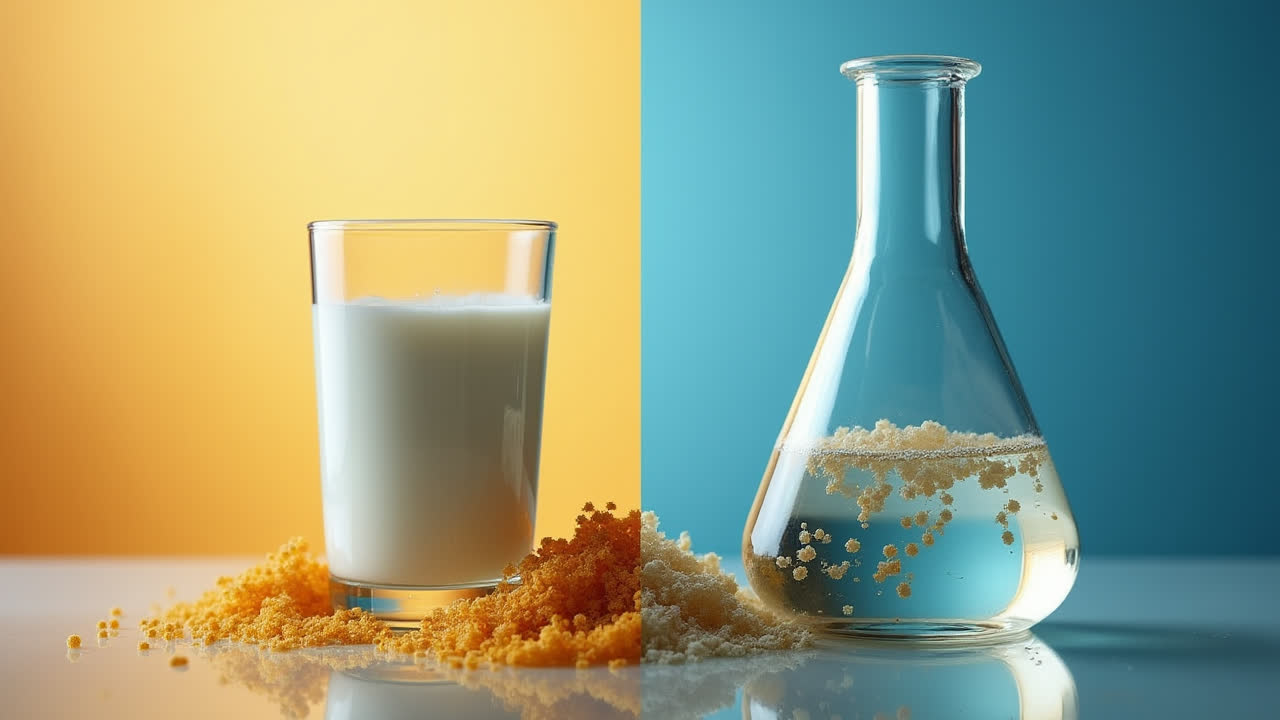
In the food industry, both enzymes have revolutionized dairy processing. Beta-galactosidase's versatility makes it particularly valuable for producing lactose-free milk and other dairy products. The process involves adding the enzyme to regular milk, allowing it to hydrolyze lactose into glucose and galactose, which results in sweeter-tasting products (as glucose and galactose have higher sweetness than lactose) that are digestible by lactose-intolerant individuals.
Research and biotechnology have particularly benefited from beta-galactosidase's properties. The enzyme's ability to cleave synthetic substrates producing colorimetric or fluorescent products has made it an invaluable tool in molecular biology. The lacZ gene, which encodes beta-galactosidase in E. coli, is widely used as a reporter gene to study gene expression patterns and for blue-white screening in recombinant DNA technology.
Looking toward the future, ongoing research into these enzymes continues to expand their applications. Enzyme engineering approaches are being employed to enhance the stability and activity of beta-galactosidases for industrial applications. Meanwhile, advances in understanding the genetics of lactase persistence are providing insights into human evolution and migration patterns, illustrating how a single enzyme can tell us much about our dietary adaptations throughout history.
Frequently Asked Questions About Lactase and Beta-Galactosidase
Can lactose-intolerant individuals consume lactose-free products made with beta-galactosidase?
Yes, lactose-intolerant individuals can typically consume lactose-free products made with beta-galactosidase without experiencing symptoms. These products work because the enzyme has already broken down the lactose into glucose and galactose before consumption, eliminating the need for the body's own lactase enzyme to perform this function. However, individual sensitivities may vary, and some people with severe lactose intolerance might still experience mild symptoms with certain products, especially if trace amounts of lactose remain. Always check product labels to confirm they're truly lactose-free if you have severe intolerance.
What are the advantages of using beta-galactosidase from microbial sources in lactose-free products?
Using beta-galactosidase from microbial sources in lactose-free products offers several advantages. Microbial enzymes are more cost-effective to produce at scale through fermentation processes compared to extracting mammalian lactase. They also exhibit greater stability under various processing conditions, including different pH levels and temperatures, making them ideal for industrial food processing. Additionally, microbial beta-galactosidases often have broader substrate specificity, allowing them to break down not just lactose but potentially other galactoside compounds in food products. This versatility, combined with their renewable nature and sustainability, makes microbial beta-galactosidases the preferred choice for commercial lactose-free product manufacturing.
How does the genetic variation in lactase persistence affect different populations worldwide?
Genetic variation in lactase persistence shows remarkable differences across global populations, reflecting unique evolutionary adaptations to dairy consumption. Northern European populations exhibit the highest rates of lactase persistence (over 90% in some Scandinavian countries), while East Asian, Native American, and most African populations have much lower rates (often below 30%). These variations correlate strongly with historical dairying practices - populations with long histories of cattle domestication and milk consumption developed genetic mutations allowing lactase production to continue into adulthood. Interestingly, lactase persistence evolved independently multiple times through different genetic mutations in European, African, and Middle Eastern populations, making it one of the clearest examples of recent human adaptation to dietary changes. This variation explains why lactose intolerance prevalence differs so dramatically across ethnic groups worldwide.
Conclusion
The distinction between lactase and beta-galactosidase, while subtle, has significant implications across various fields from human health to biotechnology. Lactase represents a specialized enzyme focused primarily on lactose digestion in mammals, while beta-galactosidase encompasses a broader class of enzymes with diverse functions and applications beyond just lactose hydrolysis.
Understanding these enzymes helps explain phenomena like lactose intolerance and has enabled the development of solutions such as lactase supplements and lactose-free dairy products. In research settings, particularly beta-galactosidase has become an indispensable tool in molecular biology and genetic engineering.
As our understanding of enzyme biology continues to advance, we can expect even more innovative applications for these remarkable biological catalysts. Whether you're reaching for a lactase supplement before enjoying ice cream or using beta-galactosidase in a laboratory experiment, these enzymes demonstrate the incredible specificity and utility of nature's biological machinery.