Lanolin vs Vaseline: Which Moisturizer is Right for Your Skin?
Lanolin vs Vaseline: Which Moisturizer is Right for Your Skin?
When it comes to keeping your skin soft and hydrated, two products often dominate the conversation: lanolin and Vaseline. But what exactly sets these moisturizers apart? I've spent years experimenting with various skincare products, and let me tell you, the difference between these two can make or break your skincare routine. Whether you're dealing with dry patches or just want to maintain that healthy glow, understanding these products is crucial.
Picture this: you're standing in the skincare aisle, faced with dozens of moisturizers, and you're wondering which one will actually work for your skin. I've been there countless times! The confusion is real, especially when both lanolin and Vaseline promise similar results. But here's the thing – they work in completely different ways, and choosing the right one depends entirely on your skin's specific needs.
Let's dive deep into what makes each of these moisturizers unique. We'll explore their origins, how they work on your skin, and most importantly, which one might be the better choice for you. After all, your skin deserves the best care possible, doesn't it?
What Exactly is Lanolin, Anyway?
Lanolin, sometimes called "wool wax" or "wool grease," is basically nature's own moisturizer. It comes from the sebaceous glands of sheep – yeah, I know that sounds a bit weird at first! But here's the fascinating part: sheep produce this waxy substance to protect their wool and skin from harsh weather conditions. Pretty clever, right?
Think of lanolin as your skin's best friend when it comes to deep hydration. Unlike many other moisturizers that just sit on top of your skin, lanolin actually mimics your skin's natural oils. It's packed with fatty acids and cholesterol – components that your skin absolutely loves. When I first discovered lanolin's properties, I was amazed at how it actually spreads lipids throughout the skin rather than just creating a barrier.
The beauty of lanolin lies in its emollient properties. This means it doesn't just trap moisture; it actively helps distribute oils and lipids across your skin. For those of us dealing with extremely dry or sensitive skin, this can be a game-changer. I've recommended lanolin-based products to friends with eczema, and they've seen remarkable improvements.
Vaseline: The Petroleum Jelly Powerhouse
Now, let's talk about Vaseline – that familiar blue jar that's probably been in your bathroom cabinet at some point. Vaseline is actually a brand name for petroleum jelly, which is derived from petroleum (yes, the same stuff that makes gasoline). But before you panic, let me assure you that the petroleum jelly used in skincare is highly refined and purified.
The way Vaseline works is completely different from lanolin. Instead of integrating with your skin's natural oils, it forms an occlusive barrier on the surface. Imagine putting a protective shield over your skin – that's essentially what Vaseline does. This barrier prevents water from evaporating, which is why it's so effective for healing dry, cracked skin.
What I find particularly interesting about Vaseline is its simplicity. It's literally just one ingredient: 100% petroleum jelly. No fragrances, no preservatives, no fancy additives. This makes it an excellent choice for people with sensitive skin who react to complex formulations. However, this simplicity can also be a drawback if you're looking for additional skin benefits beyond basic moisture retention.
Key Differences That Actually Matter
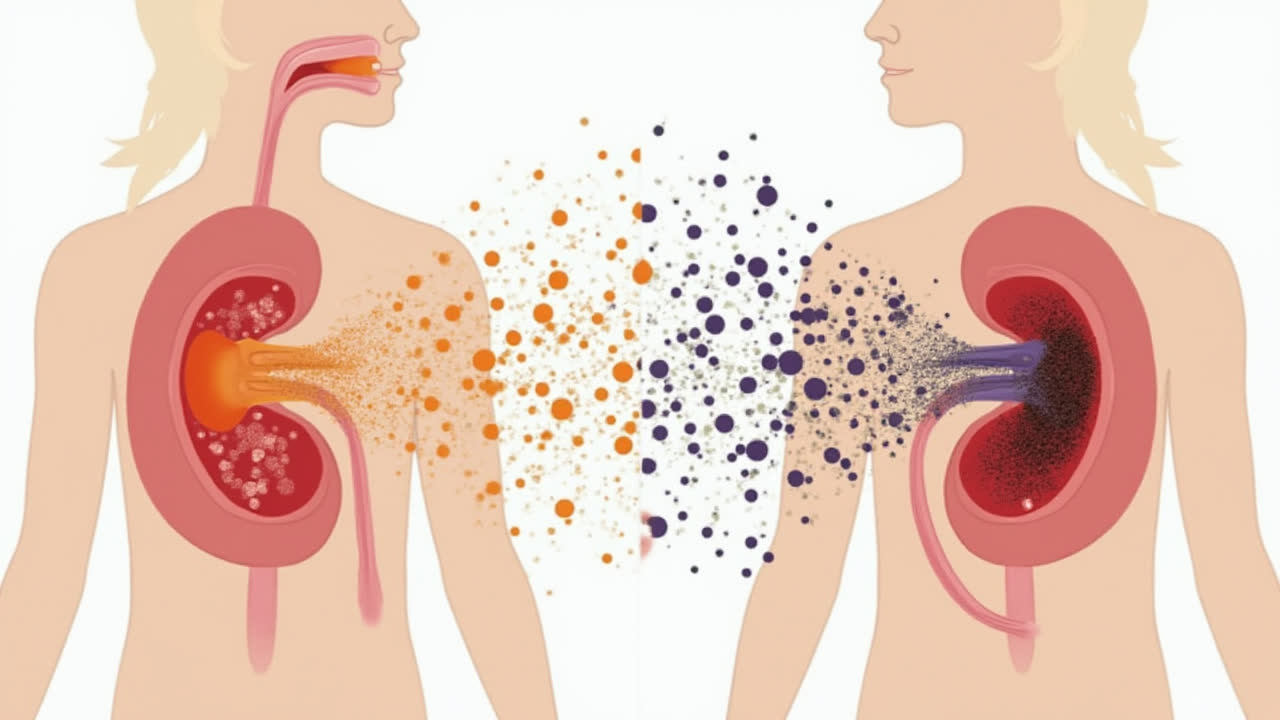
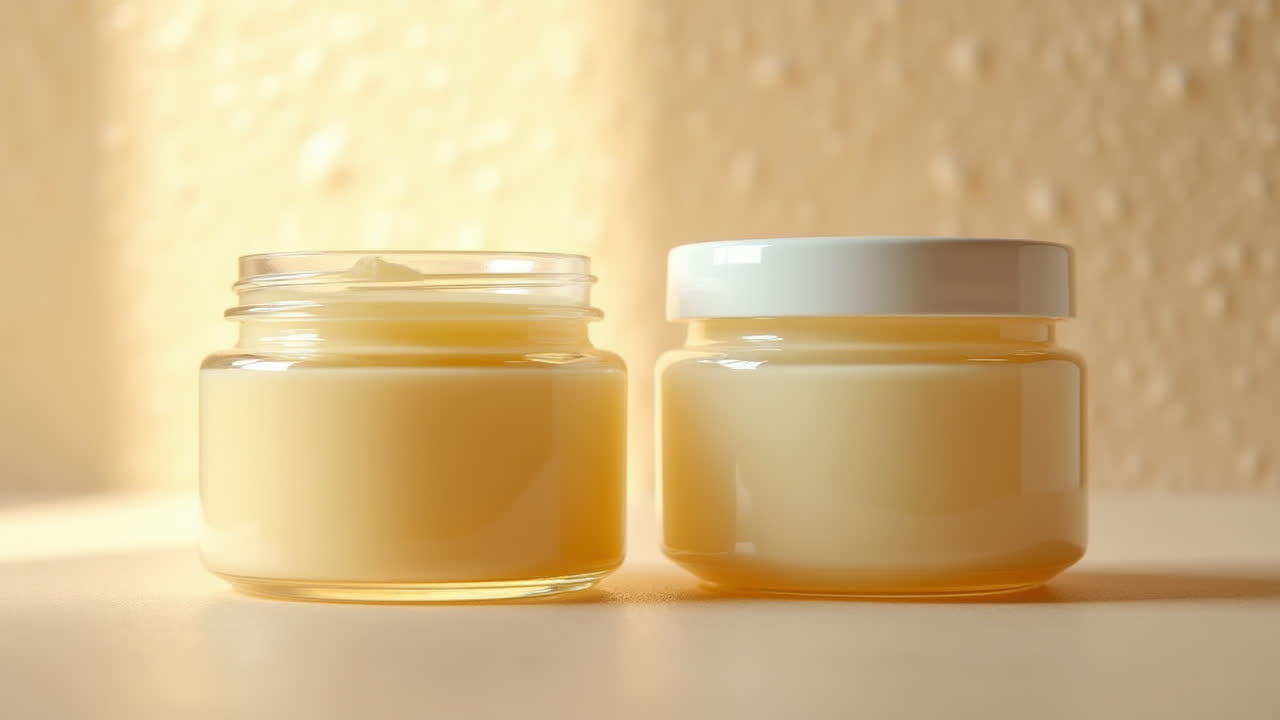
The fundamental difference between lanolin and Vaseline lies in how they interact with your skin. While both prevent moisture loss, they go about it in entirely different ways. Lanolin integrates with your skin's natural lipids, essentially becoming part of your skin's own moisture barrier. Vaseline, on the other hand, sits on top like a protective blanket.
Here's something many people don't realize: lanolin is actually semi-permeable, meaning your skin can still "breathe" while being moisturized. Vaseline creates a much more occlusive barrier, which can be both a blessing and a curse. On one hand, it's fantastic for wound healing and protecting severely damaged skin. On the other hand, some people find it too heavy for daily use, especially if they're prone to clogged pores.
The source of these products also plays a role in their properties. Lanolin, being animal-derived, contains natural vitamins and compounds that can benefit the skin. Vaseline, being mineral-based, is chemically inert – it won't react with your skin or other products, which makes it incredibly stable and long-lasting.
Choosing the Right One for Your Skin Type
So, which one should you choose? Well, it really depends on your skin type and what you're trying to achieve. For dry, flaky skin that needs deep nourishment, lanolin might be your best bet. Its ability to integrate with your skin's natural oils makes it particularly effective for long-term hydration.
However, if you're dealing with extremely damaged skin, minor cuts, or need a protective barrier for wound healing, Vaseline is hard to beat. I've personally used it on everything from chapped lips to minor burns, and it works wonderfully for creating that protective environment skin needs to heal.
Consider your lifestyle too. Lanolin absorbs better and feels less greasy, making it more suitable for daytime use. Vaseline, being thicker and more occlusive, might be better reserved for nighttime application or specific problem areas. And here's a pro tip: you can actually layer these products! Apply lanolin first for deep moisturization, then seal it in with a thin layer of Vaseline on particularly dry areas.
Comparison Table
| Feature | Lanolin | Vaseline |
|---|---|---|
| Source | Sheep's wool (natural) | Petroleum (mineral) |
| Main Ingredient | Wool wax/wool fat | 100% petroleum jelly |
| Moisturizing Method | Integrates with skin lipids | Forms occlusive barrier |
| Absorption | Absorbs into skin | Sits on skin surface |
| Best For | Daily moisturizing, dry skin | Wound healing, severe dryness |
| Texture | Lighter, more spreadable | Thick, greasy |
| Skin Breathing | Semi-permeable | Occlusive (blocks air) |
| Additional Benefits | Contains natural vitamins | Hypoallergenic, non-reactive |
Common Concerns and Misconceptions
Let's address the elephant in the room – some people worry about using animal-derived products like lanolin. If you're vegan or have ethical concerns, this is totally valid. The good news is that lanolin is obtained from sheep's wool after shearing, so no animals are harmed in the process. However, if you prefer to avoid animal products altogether, Vaseline might be more aligned with your values.
Another common misconception is that petroleum-based products like Vaseline are harmful to your skin. This isn't true for cosmetic-grade petroleum jelly, which undergoes extensive purification. However, some people do find it too heavy or comedogenic (pore-clogging) for facial use. It's all about finding what works for your unique skin.
There's also the question of allergies. While rare, some people can be allergic to lanolin, especially if they have a wool allergy. Vaseline, being a single, purified ingredient, is less likely to cause allergic reactions. If you have sensitive skin, it's always wise to patch test any new product before applying it liberally.
The Bottom Line: Making Your Choice
After years of testing various moisturizers, I've come to appreciate both lanolin and Vaseline for their unique properties. Neither is inherently "better" – they're just different tools for different jobs. If you want a moisturizer that works with your skin's natural processes and provides nutrients, lanolin is fantastic. If you need serious protection and occlusion for healing or extreme dryness, Vaseline is your go-to.
Personally, I keep both in my skincare arsenal. Lanolin-based creams are my daily moisturizers, while Vaseline is reserved for specific issues like cracked heels or protecting healing tattoos. The key is understanding your skin's needs and choosing accordingly.
Remember, the best moisturizer is the one you'll actually use consistently. So whether you choose lanolin, Vaseline, or both, make sure it fits into your routine and feels good on your skin. After all, skincare should be both effective and enjoyable!
Frequently Asked Questions
Can I use lanolin and Vaseline together?
Yes, you can definitely use both products together! Apply lanolin first to moisturize and nourish your skin, then seal it in with a thin layer of Vaseline on particularly dry areas. This combination is especially effective for extremely dry or damaged skin, as the lanolin provides deep hydration while the Vaseline creates a protective barrier to prevent moisture loss.
Is lanolin or Vaseline better for sensitive skin?
Vaseline is generally considered safer for sensitive skin because it's a single, purified ingredient that rarely causes reactions. However, high-quality, medical-grade lanolin can also be excellent for sensitive skin as it mimics the skin's natural oils. If you have a wool allergy, avoid lanolin. Always patch test first, regardless of which product you choose.
Which is better for facial moisturizing - lanolin or Vaseline?
For facial moisturizing, lanolin is typically the better choice as it absorbs into the skin and is less likely to clog pores. Vaseline can be too heavy for many people's facial skin and may lead to breakouts. However, Vaseline can be excellent for specific facial areas like dry patches around the nose or as an overnight treatment for extremely dry skin - just use it sparingly.