Understanding Oxidative vs Nonoxidative Deamination: Key Biochemical Processes
Understanding Oxidative vs Nonoxidative Deamination: Key Biochemical Processes
When we think about how our bodies process proteins, few biochemical processes are as fascinating as deamination. These metabolic pathways play a crucial role in breaking down amino acids, and today we're diving deep into the two main types: oxidative and nonoxidative deamination. You might be wondering what the difference is between these two processes – well, let's unpack it together!
Have you ever considered how your body manages all those proteins you consume daily? Whether it's from your morning eggs or evening steak, amino acid catabolism ensures nothing goes to waste. The main distinction between oxidative and nonoxidative deamination lies in their approach to removing amine groups from amino acids, with one process being coupled with oxidation while the other isn't.
What Exactly is Oxidative Deamination?
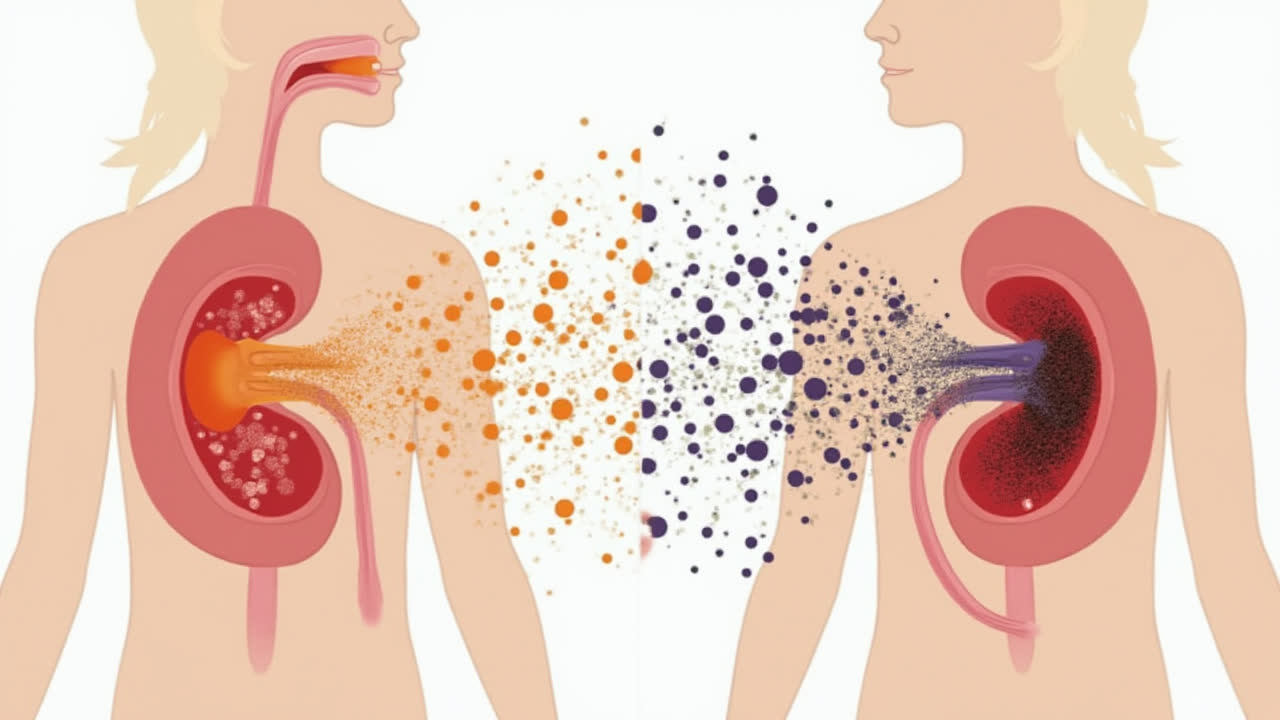
Think of oxidative deamination as the sophisticated, primary player in amino acid breakdown, particularly in your liver and kidneys. This process is like having a specialized waste management system that efficiently handles excess proteins from your diet. When you eat more protein than your body immediately needs, oxidative deamination steps up to the plate.
What's particularly interesting is that this process focuses primarily on one amino acid: glutamic acid. Most amino acids eventually convert to glutamic acid through transamination reactions before undergoing oxidative deamination. It's almost like glutamic acid serves as a central processing hub for nitrogen removal in our cells.
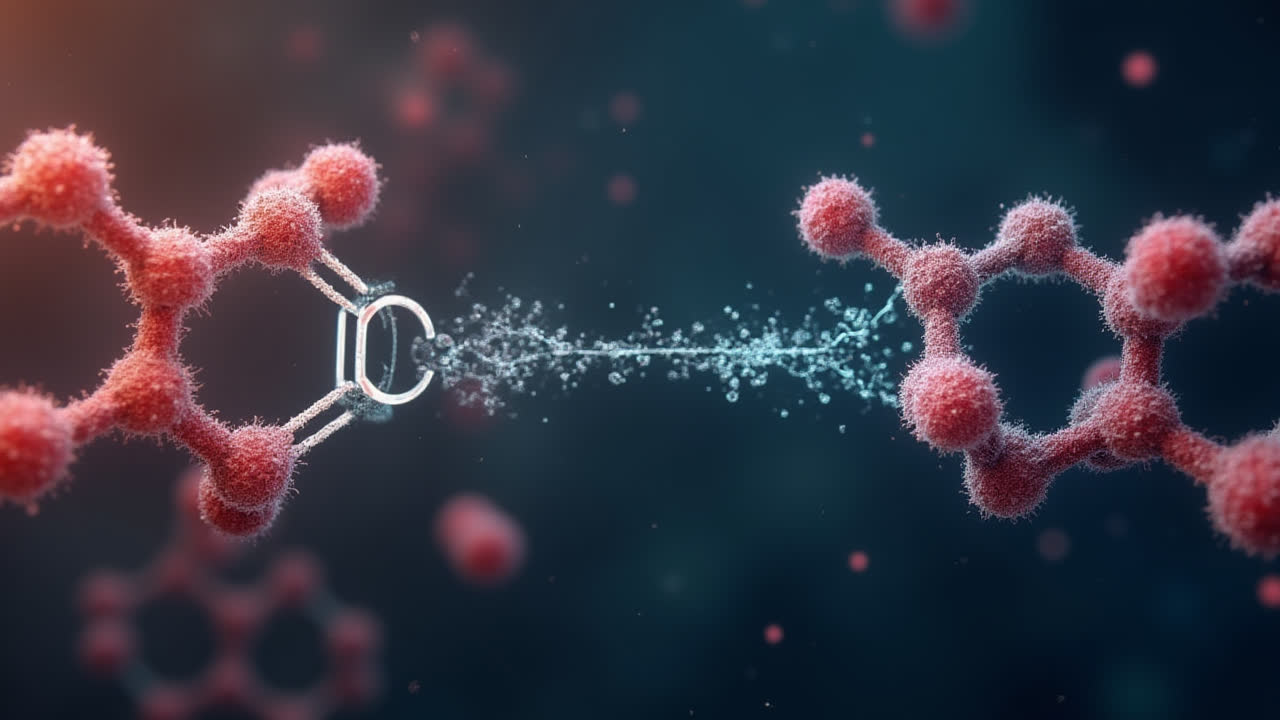
The enzyme responsible for this crucial process is called glutamate dehydrogenase (GDH), and it works inside the mitochondria of cells. What makes this process "oxidative" is the involvement of coenzymes like NAD+ and NADP+, which act as oxidizing agents during the reaction. The result? Ammonia is released (which later forms urea), and α-keto acids are produced that can be used for energy.
Understanding Nonoxidative Deamination
Now, let's shift gears to nonoxidative deamination, which is quite different from its oxidative counterpart. If oxidative deamination is the main highway for processing most amino acids, nonoxidative deamination is more like the scenic route, handling specific hydroxyl amino acids that don't participate in protein synthesis.
This process works on amino acids like serine, homoserine, and threonine – all of which contain hydroxyl groups. The key difference? There's no oxidation involved. Instead, these amino acids undergo direct removal of their amine groups without the need for oxidizing coenzymes.
The enzymes involved here are called amino acid dehydratases, with pyridoxal phosphate serving as the coenzyme. It's fascinating how different amino acids require different processing routes – nature really has optimized these pathways over millions of years of evolution.
Detailed Comparison: Oxidative vs Nonoxidative Deamination
| Feature | Oxidative Deamination | Nonoxidative Deamination |
|---|---|---|
| Location | Liver and kidney primarily | Various tissues and organisms |
| Primary Enzyme | Glutamate dehydrogenase (GDH) | Amino acid dehydratases |
| Main Substrate | Glutamic acid | Hydroxyl amino acids (serine, threonine) |
| Oxidation Process | Coupled with oxidation | No oxidation involved |
| Coenzymes | NAD+ and NADP+ | Pyridoxal phosphate |
| Products | Ammonia, α-keto acids | Ammonia, α-keto acids |
| Biological Significance | Main pathway for protein catabolism | Processing specific amino acids |
| Cellular Location | Mitochondria | Cytosol mainly |
The Metabolic Significance
Both deamination processes share a common goal: removing amine groups from amino acids to manage protein metabolism efficiently. However, their approaches are as different as night and day. Oxidative deamination is your body's primary method for handling the nitrogen from excess dietary proteins, essentially acting as a metabolic safety valve.
I've always found it remarkable how our bodies have evolved two distinct mechanisms for essentially the same function. It's like having both a main highway and backroads – sometimes you need the direct route (oxidative), and other times the specialized route (nonoxidative) works better for specific molecules.
The products of both processes – ammonia and α-keto acids – are handled differently by the body. Ammonia is toxic and must be quickly converted to urea for excretion, while the α-keto acids can enter various metabolic pathways for energy production or serve as building blocks for other molecules.
Clinical Relevance
Understanding these pathways isn't just academic – it has real-world implications for health and disease. For instance, disorders affecting glutamate dehydrogenase can lead to hyperammonemia, a dangerous condition where excessive ammonia accumulates in the bloodstream. Similarly, issues with nonoxidative deamination can affect the metabolism of specific amino acids.
I've noticed that many people don't realize how intricately connected these processes are to overall health. Diet, liver function, and even certain medications can influence how efficiently these pathways operate. It's a reminder of how complex and beautiful our body's biochemistry truly is.
Key Takeaways
When we step back and look at the bigger picture, both oxidative and nonoxidative deamination are essential pieces of the protein metabolism puzzle. The main difference – oxidative deamination being coupled with oxidation while nonoxidative isn't – might seem simple, but it reflects a deeper sophistication in how our bodies handle different types of amino acids.
Whether you're a student studying biochemistry or simply curious about how your body works, understanding these processes gives you insight into one of metabolism's most fundamental aspects. After all, every bite of protein you eat eventually encounters one of these pathways!
Frequently Asked Questions
Why is glutamic acid the primary amino acid for oxidative deamination?
Glutamic acid serves as a central collection point for amino groups from other amino acids. Most amino acids undergo transamination reactions that convert them to glutamic acid first. This centralization makes the process more efficient, as one enzyme system (glutamate dehydrogenase) can handle the majority of amino acid deamination in the body.
Are there any amino acids that can undergo both types of deamination?
No, amino acids typically undergo one specific type of deamination based on their structure. Standard protein amino acids usually enter oxidative deamination via conversion to glutamic acid, while hydroxyl amino acids like serine and threonine specifically undergo nonoxidative deamination. The structural differences determine which pathway is metabolically appropriate.
What happens to the ammonia produced during deamination?
Ammonia produced during both types of deamination is toxic to cells and must be quickly detoxified. In humans and other mammals, ammonia is primarily converted to urea through the urea cycle in the liver. This urea is then transported to the kidneys and excreted in urine. This conversion prevents ammonia from reaching toxic levels in the bloodstream.