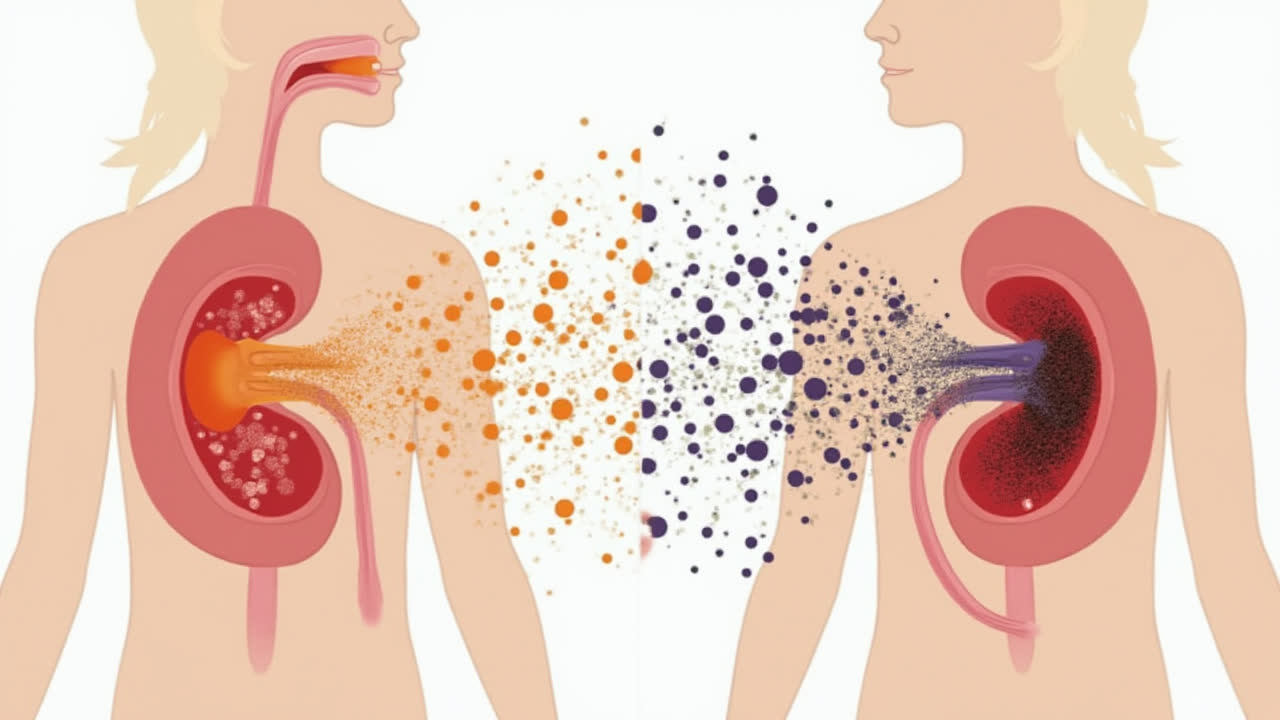
Phototrophs vs Chemotrophs: Key Differences in Energy Acquisition
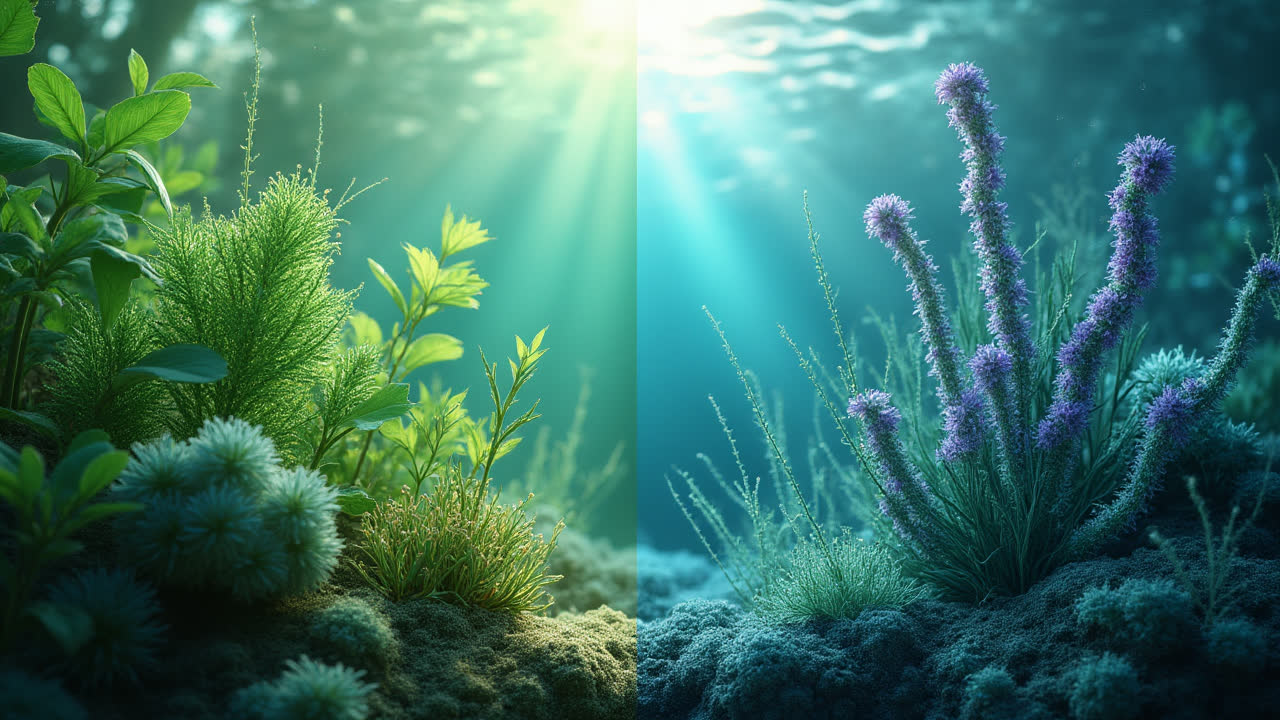
In the fascinating world of microbiology and ecology, organisms have evolved diverse strategies for obtaining energy. Among these, two major nutritional groups stand out: phototrophs and chemotrophs. These organisms form the foundation of food chains and are responsible for sustaining life on Earth. But how exactly do they differ? This comprehensive guide explores the key differences between phototrophs and chemotrophs, their classification, energy sources, and ecological importance.
Understanding Phototrophs: The Light-Harvesters
Have you ever wondered how plants create their food? Phototrophs are organisms that capture photons (light energy) to generate metabolic energy. They're nature's solar panels, converting sunlight into usable energy through a remarkable process called photosynthesis. During this process, carbon dioxide is anabolically transformed into organic material, primarily glucose, which serves as the foundation for more complex molecules like carbohydrates, proteins, and fats.
The mechanism behind phototrohpic energy generation is truly remarkable. These organisms use either electron transport chains or direct proton pumping to create an electrochemical gradient. This gradient then powers ATP synthase, producing ATP (adenosine triphosphate) – the universal energy currency of cells. This elegant solution allows phototrophs to harness the virtually limitless energy of our sun, making them incredibly efficient energy producers.
I've always been amazed by how phototrophs can transform something as intangible as light into physical matter. When I walk through a forest, I remind myself that every leaf and branch exists because these organisms have mastered the art of converting sunlight into biological structures. It's like watching magicians pull rabbits from hats, except these magicians are creating the foundation of all food chains on Earth!
What makes phototrophs even more fascinating is their diversity. They exist in virtually every environment where light is available – from the deepest parts of the ocean where minimal light penetrates, to sun-scorched deserts where light is abundant but water is scarce. Each species has adapted specialized pigments and cellular structures to maximize light capture in their particular environment. The adaptability of phototrophs demonstrates the incredible versatility of life on our planet.
Classification of Phototrophs
Phototrophs can be classified into two main categories based on their carbon source:
- Photoautotrophs: These organisms fix carbon into simple sugars using light as their energy source. They obtain carbon from inorganic sources, primarily carbon dioxide. Examples include green plants, algae, and cyanobacteria. These organisms are considered "holotrophs" because they fix carbon directly from carbon dioxide.
- Photoheterotrophs: While they still use light energy, these organisms obtain carbon from organic compounds rather than fixing it themselves. Examples include certain bacteria like Rhodobacter. They essentially "borrow" organic carbon compounds created by other organisms.
Another important distinction among phototrophs relates to oxygen production. Oxygenic photosynthetic organisms use chlorophyll to capture light energy and split water molecules, releasing oxygen as a byproduct. This process fundamentally transformed Earth's atmosphere billions of years ago, enabling the evolution of aerobic life forms. Without these oxygen-producing phototrophs, our planet would be virtually unrecognizable!
Understanding Chemotrophs: The Chemical Energy Specialists
While phototrophs harness the power of light, chemotrophs obtain their energy through a completely different mechanism – by oxidizing electron donors. These remarkable organisms don't need sunlight; instead, they derive energy from chemical reactions. The process they use is called chemosynthesis, which involves the oxidation of inorganic or organic compounds to produce energy-rich molecules.
Chemotrophs are particularly important in environments where light is scarce or absent entirely. Think about deep ocean trenches, underground caves, or hydrothermal vents at the ocean floor – these dark habitats would be virtually lifeless without chemotrophs. These resourceful organisms have evolved to thrive in conditions that would be hostile to most other life forms, using chemical energy sources that would be toxic to many other organisms.
The biochemical pathways used by chemotrophs are incredibly diverse. Some oxidize hydrogen gas with carbon dioxide to produce methane. Others might oxidize ammonia or hydrogen sulfide with or without oxygen. This metabolic diversity allows them to exploit energy sources that would otherwise remain untapped in the ecosystem. I once visited a cave system where chemotrophic bacteria had created entire ecosystems independent from the sunlit world above – it was like witnessing an alien biosphere right here on Earth!
Perhaps most fascinating is how chemotrophs form the basis of symbiotic relationships in extreme environments. In hydrothermal vents, for instance, giant tube worms like Riftia pachyptila have no digestive system. Instead, they host chemosynthetic bacteria within their tissues that provide nutrition by oxidizing compounds from the vent water. It's a beautiful example of evolutionary cooperation that allows life to thrive in one of Earth's most extreme environments.
Classification of Chemotrophs
Like phototrophs, chemotrophs can be classified based on their energy and carbon sources:
- Chemoorganotrophs: These organisms oxidize organic compounds to obtain energy. Many bacteria, fungi, animals, and some protists fall into this category.
- Chemolithotrophs: These specialized organisms oxidize inorganic compounds for energy. They use electron donors like hydrogen sulfide, ammonium ions, ferrous ions, and elemental sulfur. Examples include bacteria like Acidithiobacillus ferrooxidans, Nitrosomonas, and Nitrobacter.
Additionally, chemotrophs can be further classified based on their carbon source:
- Chemoautotrophs: These organisms obtain energy from chemical compounds and carbon from inorganic sources like CO₂. They're particularly prevalent in extreme environments like deep ocean floors and underground volcanic areas.
- Chemoheterotrophs: While obtaining energy from chemical reactions, these organisms get their carbon from organic sources. Most animals, fungi, and many bacteria are chemoheterotrophs.
Comprehensive Comparison: Phototrophs vs Chemotrophs
| Comparison Point | Phototrophs | Chemotrophs |
|---|---|---|
| Energy Source | Light (solar energy) | Chemical compounds (inorganic or organic) |
| Primary Process | Photosynthesis | Chemosynthesis |
| Carbon Source Options | CO₂ (autotrophs) or organic compounds (heterotrophs) | CO₂ (autotrophs) or organic compounds (heterotrophs) |
| Environmental Dependency | Requires access to light | Can thrive in dark environments |
| Typical Habitats | Surface waters, land, shallow sediments | Deep oceans, caves, hot springs, hydrothermal vents |
| Major Subtypes | Photoautotrophs and photoheterotrophs | Chemoautotrophs and chemoheterotrophs |
| Representative Organisms | Plants, algae, cyanobacteria, purple bacteria | Many bacteria, fungi, animals, some archaea |
| Evolutionary History | Appeared later in Earth's history | Likely the earliest metabolic strategy on Earth |
Ecological Importance and Applications
Both phototrophs and chemotrophs play crucial roles in ecosystem functioning and biogeochemical cycles. Phototrophs are responsible for producing most of the organic matter on Earth and generating atmospheric oxygen. Without them, complex life as we know it wouldn't exist. They form the foundation of most food chains, converting solar energy into biological energy that flows through entire ecosystems.
Chemotrophs, while less visible in everyday life, are equally important in certain ecosystems. They're often the primary producers in environments where light is unavailable. In deep-sea hydrothermal vents, for example, entire ecosystems depend on chemolithoautotrophic bacteria that oxidize hydrogen sulfide emitted from the vents. These bacteria support a diverse community of specialized animals, creating oases of life in the otherwise barren deep ocean.
The study of these organisms has practical applications too. Understanding chemotrophs has led to innovations in bioremediation – the use of organisms to clean up environmental pollutants. Certain chemotrophic bacteria can metabolize toxic compounds, transforming them into harmless byproducts. Similarly, research into phototrophs has driven advancements in renewable energy, with scientists drawing inspiration from photosynthesis to develop more efficient solar cells.
I've spoken with researchers who are exploring how certain extremophile chemotrophs might even help us understand the potential for life on other planets. If life exists on worlds without sunlight – like Europa, Jupiter's ice-covered moon with a suspected subsurface ocean – it might resemble the chemotrophic communities found in Earth's most extreme environments. Sometimes I think these overlooked microorganisms might hold the key to answering one of humanity's biggest questions: are we alone in the universe?
Frequently Asked Questions
How do phototrophs convert light energy into chemical energy?
Phototrophs convert light energy into chemical energy through a process called photosynthesis. This process begins when specialized pigments, most commonly chlorophyll, absorb photons (light particles). This absorption excites electrons, which are then passed through an electron transport chain in the cell membrane or specialized organelles like chloroplasts. As electrons move through this chain, their energy is used to pump protons across a membrane, creating an electrochemical gradient. This gradient powers ATP synthase, an enzyme that produces ATP – the universal energy currency of cells. In many phototrophs, this process also involves splitting water molecules to obtain electrons, which releases oxygen as a byproduct. The energy stored in ATP is then used to fix carbon dioxide into organic compounds like glucose, which serve as both structural components and energy storage molecules.
Can an organism be both a phototroph and a chemotroph?
Yes, some organisms can indeed function as both phototrophs and chemotrophs – these are known as mixotrophs. Purple non-sulfur bacteria are an excellent example of this metabolic flexibility. Under illuminated conditions, they primarily function as photoheterotrophs, using light energy while obtaining carbon from organic sources. However, when light is unavailable, they can switch to chemoheterotrophic metabolism, obtaining both energy and carbon from organic compounds through respiration. Some algae also display mixotrophic behavior, primarily using photosynthesis but supplementing with organic carbon absorption or even ingestion of bacteria under certain conditions. This metabolic versatility provides a significant ecological advantage, allowing these organisms to thrive across a wider range of environmental conditions than strict phototrophs or chemotrophs.
What role do chemotrophs play in nutrient cycling?
Chemotrophs play crucial roles in various biogeochemical cycles, particularly the nitrogen, sulfur, and iron cycles. In the nitrogen cycle, chemolithotrophic bacteria like Nitrosomonas and Nitrobacter convert ammonia to nitrite and then to nitrate through a process called nitrification. These transformations make nitrogen available to other organisms in a usable form. In the sulfur cycle, bacteria like Thiobacillus oxidize reduced sulfur compounds, helping to recycle sulfur between organic and inorganic forms. Iron-oxidizing bacteria contribute to the iron cycle by converting ferrous iron (Fe²⁺) to ferric iron (Fe³⁺), influencing iron availability in ecosystems. Additionally, methanotrophic bacteria consume methane, a potent greenhouse gas, helping to regulate atmospheric methane levels. Through these processes, chemotrophs not only obtain energy but also drive essential element transformations that maintain ecosystem functioning and productivity.
Conclusion: The Complementary Roles of Nature's Energy Specialists
The distinction between phototrophs and chemotrophs represents one of nature's fundamental metabolic divisions. While phototrophs harness the abundant energy of sunlight through photosynthesis, chemotrophs tap into the chemical energy stored in various compounds through chemosynthesis. This metabolic diversity enables life to flourish in virtually every environment on Earth – from sun-drenched forests to lightless ocean depths.
Despite their differences, these nutritional groups share important similarities. Both can be found in autotrophic forms (generating their own organic carbon from CO₂) and heterotrophic forms (requiring pre-existing organic carbon). Both use their respective energy sources to drive ATP production, fueling cellular processes. And both serve as primary producers in various ecosystems, supporting complex food webs.
Understanding the differences and relationships between phototrophs and chemotrophs provides valuable insights into the fundamental processes that sustain life on our planet. It also demonstrates the remarkable adaptability of living organisms, which have evolved to exploit virtually every available energy source. As we continue to explore extreme environments on Earth and search for life beyond our planet, the study of these diverse metabolic strategies will undoubtedly yield new discoveries and applications.