Phytoplankton vs Zooplankton: 8 Key Differences Explained
The ocean's tiny drifters, phytoplankton and zooplankton, form the foundation of aquatic life while remaining largely invisible to the naked eye. These microscopic organisms might seem insignificant, but they're absolutely crucial to our planet's ecosystems and even the air we breathe. I've spent years studying marine biology, and I'm always amazed at how these tiny creatures support virtually all aquatic life.
Have you ever wondered what makes these microscopic drifters so important? As someone who's witnessed algal blooms firsthand, I can tell you that understanding the difference between phytoplankton and zooplankton isn't just academic curiosity—it's essential for comprehending ocean health, climate patterns, and the future of our marine resources.
Both types of plankton share similarities in their drifting lifestyle and microscopic size, but their fundamental differences in biology, behavior, and ecological roles create a fascinating interplay that drives marine and freshwater ecosystems worldwide. Let's dive deeper into these invisible worlds that have such a visible impact on our planet.
What is Phytoplankton?
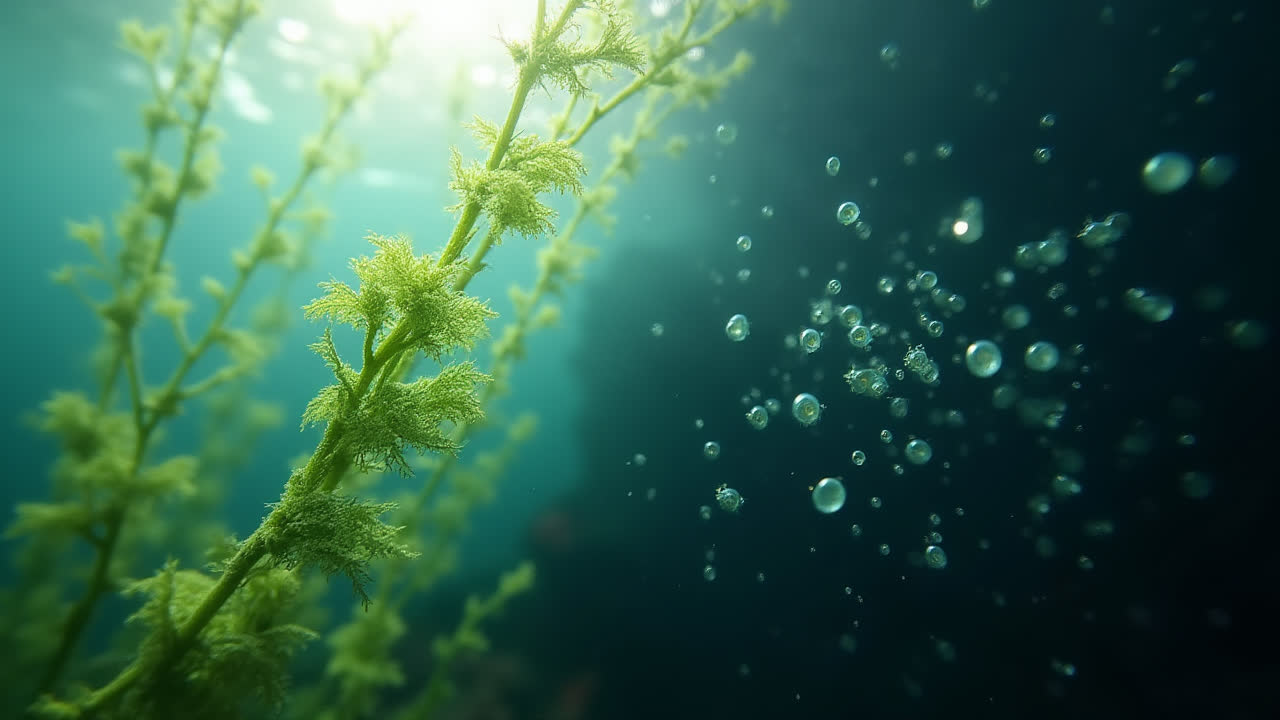
Phytoplankton are microscopic, plant-like organisms that drift near the water's surface. Acting as the ocean's primary producers, these tiny powerhouses generate about half of the Earth's oxygen through photosynthesis. Unlike larger aquatic plants, phytoplankton lack roots, stems, or leaves, instead existing as single cells or small colonies that float with ocean currents. Their name comes from the Greek words "phyto" (plant) and "plankton" (wandering or drifting).
The most common types of phytoplankton include diatoms and dinoflagellates. Diatoms are enclosed in unique silica shells that resemble tiny glass houses, with shapes ranging from spherical to star-like. Their distinctive appearance makes them easily identifiable under a microscope. Dinoflagellates, on the other hand, often possess two whip-like flagella that provide limited mobility, though they still primarily drift with water movements. I remember first seeing these organisms under a microscope in college—their geometric patterns and intricate structures were absolutely mesmerizing.
Phytoplankton thrive in the euphotic zone—the upper sunlit layer of water bodies where sunlight can penetrate. Here, they convert sunlight, carbon dioxide, and nutrients into organic compounds through photosynthesis, much like terrestrial plants. Some specialized phytoplankton can also perform chemosynthesis in deeper waters without sunlight, using chemical energy instead. Their rapid reproduction can lead to algal blooms, visible as greenish or brownish patches in water. While most blooms are beneficial, some produce toxins that can be harmful to marine life and even humans. I once saw a red tide off the California coast—the water literally turned a rusty red color from billions of dinoflagellates, creating an eerie but fascinating spectacle.
What is Zooplankton?
Unlike their plant-like counterparts, zooplankton are animal-like organisms that drift through water bodies. These heterotrophic creatures can't produce their own food and instead consume phytoplankton, other zooplankton, or detritus. The term originates from "zoo" (animal) and "plankton" (wandering), aptly describing their nature. Zooplankton vary greatly in size, from microscopic protozoans to larger jellyfish that are visible to the naked eye.
Zooplankton can be classified into two main categories: holoplankton and meroplankton. Holoplankton, such as copepods and krill, remain planktonic throughout their entire life cycle. Meroplankton, however, only spend a portion of their lives as plankton, typically during larval stages. These include the larvae of fish, crustaceans, mollusks, and many other marine animals. During a research expedition in the Atlantic, I was surprised to learn that many of the fish species we studied began life as zooplankton before developing into their adult forms. This knowledge completely changed how I viewed the ocean's reproductive strategies.
Unlike phytoplankton, which are primarily found in the euphotic zone, zooplankton often inhabit deeper sections of water bodies. Many zooplankton species undergo daily vertical migrations, rising toward the surface at night to feed and descending to deeper waters during daylight hours to avoid predators. This vertical movement constitutes one of the largest daily migrations of biomass on Earth. Some zooplankton possess specialized adaptations for movement through water, such as the spikes on copepods or the pulsating movements of jellyfish. Though they can move to some extent, their locomotion is still generally insufficient to overcome prevailing currents. The diversity of zooplankton is truly remarkable—from transparent, gelatinous creatures to intricate, armored forms, they represent a stunning array of evolutionary adaptations to planktonic life.
Comparing Phytoplankton and Zooplankton
| Characteristic | Phytoplankton | Zooplankton |
|---|---|---|
| Biological Classification | Plant-like organisms (autotrophs) | Animal-like organisms (heterotrophs) |
| Nutrition Method | Photosynthesis or chemosynthesis | Consumption of phytoplankton, other zooplankton, or detritus |
| Location in Water Column | Upper sunlit (euphotic) layer | Various depths, often deeper sections |
| Color and Appearance | Typically brown or green, form cloudy patches | Often translucent, various shapes and colors |
| Examples | Diatoms, dinoflagellates, cyanobacteria | Copepods, krill, jellyfish larvae, protozoans |
| Role in Food Chain | Primary producers | Primary or secondary consumers |
| Oxygen Relationship | Produce oxygen through photosynthesis | Consume oxygen through respiration |
| Life Cycle Types | Typically remain as plankton throughout life | May be holoplankton (always planktonic) or meroplankton (temporarily planktonic) |
Ecological Importance of Plankton
The ecological significance of plankton extends far beyond their tiny size. Phytoplankton serve as the foundation of aquatic food webs, supporting virtually all marine life either directly or indirectly. Through photosynthesis, they capture approximately 40% of all carbon dioxide produced on Earth, helping to regulate global climate patterns. Additionally, they generate about half of the world's oxygen—every second breath we take comes courtesy of these microscopic organisms. I find this fact absolutely mind-blowing; these invisible creatures collectively outperform all the rainforests combined in terms of oxygen production!
Zooplankton form the crucial link between primary producers and larger organisms in aquatic ecosystems. By consuming phytoplankton and being consumed by larger predators, they facilitate the transfer of energy through the food web. Many commercially important fish species rely heavily on zooplankton during their larval stages, making zooplankton abundance a key factor in fisheries management. The seasonal "blooms" of zooplankton often determine migration patterns of larger marine animals, including whales that travel thousands of miles to feed on krill, a type of zooplankton.
Both types of plankton also play vital roles in biogeochemical cycles, particularly the carbon and nitrogen cycles. Phytoplankton remove carbon dioxide from the atmosphere through photosynthesis, while their eventual death and sinking to the ocean floor (along with zooplankton fecal matter) contributes to carbon sequestration in deep ocean sediments. This "biological pump" helps regulate atmospheric carbon dioxide levels and influences long-term climate patterns. Meanwhile, certain types of plankton contribute to the nitrogen cycle through nitrogen fixation or denitrification, processes that make essential nutrients available throughout marine ecosystems.
As indicators of environmental change, plankton communities respond quickly to alterations in water conditions. Changes in plankton populations often serve as early warning systems for broader ecosystem shifts. Climate change, ocean acidification, and pollution can all affect plankton distribution and abundance, with ripple effects throughout marine food webs. Monitoring these microscopic communities provides valuable insights into the health of our oceans and the potential impacts of human activities on marine ecosystems. During my research in the Pacific, we observed significant shifts in plankton communities in areas affected by warming waters—a sobering reminder of how climate change is already altering marine ecosystems at their most fundamental level.
Frequently Asked Questions About Phytoplankton and Zooplankton
How do phytoplankton and zooplankton affect ocean health?
Phytoplankton and zooplankton are critical indicators of ocean health. Phytoplankton produce approximately half of the world's oxygen and form the base of marine food webs. Changes in phytoplankton populations can signal shifts in ocean temperature, nutrient availability, or pollution levels. Zooplankton serve as the crucial link between primary producers and larger marine organisms, and their abundance directly affects fish populations and other marine life. Healthy, balanced plankton communities generally indicate well-functioning marine ecosystems, while abnormal changes can warn of environmental stressors like climate change, ocean acidification, or pollution.
Can phytoplankton or zooplankton be harmful to humans?
While most plankton are beneficial or harmless to humans, certain types of phytoplankton can produce harmful algal blooms (HABs) that pose health risks. Some species of dinoflagellates and cyanobacteria produce potent biotoxins that can accumulate in shellfish and finfish. When humans consume these contaminated seafood items, they may experience illnesses like paralytic shellfish poisoning, neurotoxic shellfish poisoning, or ciguatera fish poisoning. HABs can also affect water quality, causing respiratory irritation, skin rashes, or eye irritation in people who swim in or live near affected waters. Zooplankton themselves rarely pose direct harm to humans, though some jellyfish species classified as zooplankton can cause painful stings.
How is climate change affecting plankton populations?
Climate change is significantly impacting plankton populations worldwide. Rising ocean temperatures are altering the geographic distribution of many plankton species, with warm-water species expanding their ranges poleward. These shifts can create mismatches between predators and their planktonic prey, disrupting marine food webs. Ocean acidification, caused by increased carbon dioxide absorption, particularly affects phytoplankton with calcium carbonate structures, like coccolithophores. Changes in ocean circulation patterns and stratification affect nutrient availability for phytoplankton, potentially reducing productivity in some regions. Several studies have documented overall declines in phytoplankton biomass in certain ocean regions, with potential ramifications for carbon sequestration, oxygen production, and marine food webs. These changes to the foundation of marine ecosystems may have cascading effects on fisheries, marine biodiversity, and even atmospheric carbon dioxide levels.
Conclusion
The distinction between phytoplankton and zooplankton extends far beyond their classification as plant-like or animal-like organisms. These microscopic drifters represent two interconnected components of a complex system that sustains aquatic ecosystems worldwide. Their differences in nutritional modes, location, appearance, and ecological roles create a beautiful balance that supports virtually all life in our oceans and freshwater bodies.
From the oxygen we breathe to the fish we consume, the invisible influence of plankton touches our daily lives in countless ways. As climate change and other anthropogenic pressures continue to affect our planet's waters, understanding these tiny but mighty organisms becomes increasingly important. By appreciating the distinctive characteristics and vital contributions of both phytoplankton and zooplankton, we gain a deeper understanding of our blue planet's most fundamental processes.
The next time you look out over a seemingly empty expanse of ocean or lake, remember that beneath that surface teems a vibrant community of microscopic life, drifting with currents but steadfastly supporting the entire ecosystem above. In the grand symphony of nature, phytoplankton and zooplankton may be among the smallest players, but they undoubtedly produce some of the most important music.