Quilt vs Coverlet: 6 Essential Differences You Need to Know
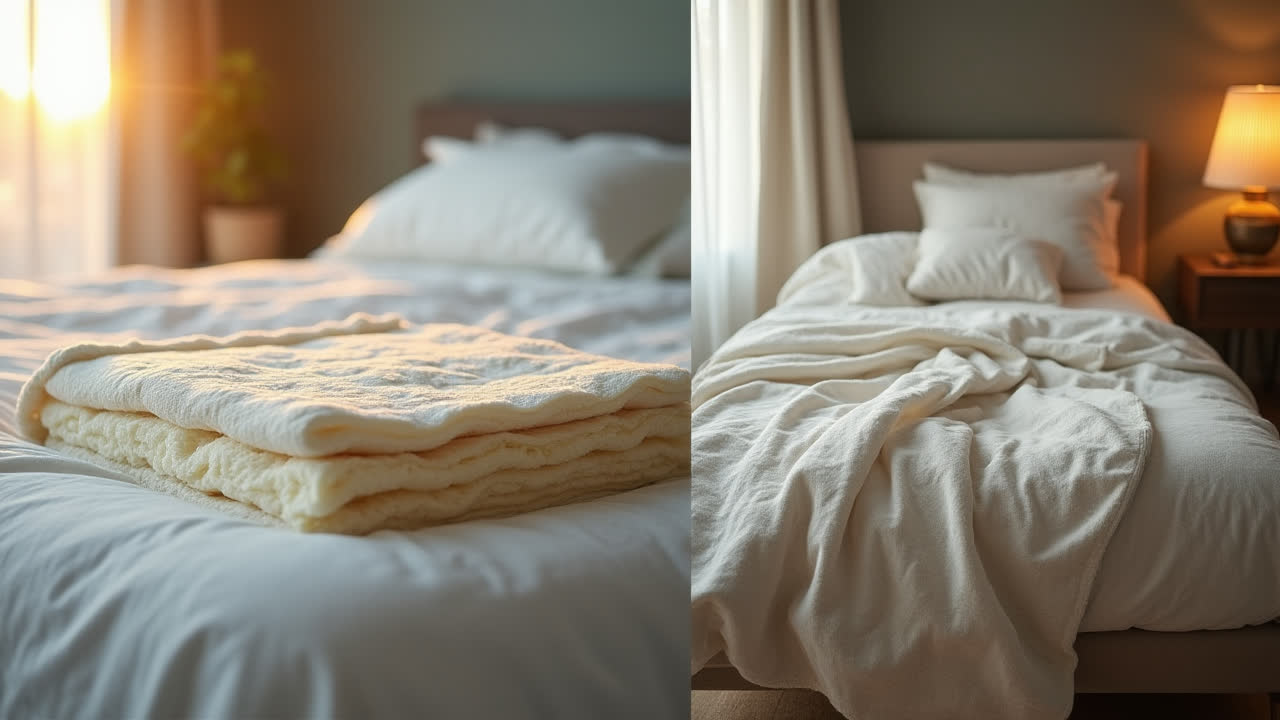
When it comes to creating the perfect bed ensemble, understanding the difference between various bedding options is crucial. Among these options, quilts and coverlets are two popular choices that often cause confusion for shoppers. While they may look similar at first glance, these two bed coverings have distinct characteristics that set them apart. As someone who's spent years helping clients design their perfect bedrooms, I've noticed this confusion come up time and again.
Have you ever purchased what you thought was a quilt, only to discover it wasn't quite what you expected? Or maybe you're redecorating your bedroom and wondering which option would work better for your needs? You're not alone in this confusion. The bedding industry uses these terms somewhat loosely, which doesn't help matters!
In this comprehensive guide, we'll explore the key differences between quilts and coverlets, helping you make an informed decision for your bedroom decor. We'll dive into their construction, typical uses, styling possibilities, and practical considerations to help you determine which option better suits your needs. By the end, you'll be equipped with the knowledge to choose the perfect bed covering for your home.
What Is a Quilt? Understanding the Basics
A quilt is a traditional bed covering with a rich cultural history dating back centuries. The defining characteristic of a true quilt is its three-layer construction. These layers include a decorative top layer, a middle layer of padding (called batting), and a bottom layer that serves as backing. All three layers are stitched together in decorative patterns that not only secure the layers but often create beautiful designs.
The top layer of a traditional quilt is where much of the artistry comes into play. Classic quilts feature patchwork designs made from different fabric pieces sewn together in intricate patterns. Popular quilt designs include log cabin, flying geese, double wedding ring, and countless others that have been passed down through generations. I still have a star pattern quilt my grandmother made that holds both warmth and family memories—something you just don't get from mass-produced bedding!
Historically, quilting was not just a practical craft but also a social activity. Quilting bees would bring communities together, with people gathering to work on quilts while socializing. Today, while many quilts are machine-made, handcrafted quilts remain highly valued for their artistry and personal touch. These handmade quilts often become family heirlooms, passed down through generations and carrying stories and traditions with them.
Modern quilts have evolved beyond traditional designs, with contemporary patterns and techniques broadening their appeal. While traditional quilts often featured scraps of fabric out of necessity, today's quilters might choose specific color schemes and patterns to match their decor. Modern quilts might use larger blocks of fabric or more minimalist designs while still maintaining the essential three-layer construction.
In terms of materials, quilts are typically made of cotton, which provides breathability and durability. The batting (middle layer) can vary in thickness, affecting how warm the quilt is. While cotton batting is common, wool, polyester, or blended materials are also used. The weight and warmth of a quilt largely depend on this middle layer—something worth considering when shopping for your climate and personal preferences.
Beyond bedding, quilts have expanded their role in home decor. You'll now find quilts used as decorative wall hangings, table runners, and throws. Their artistic appeal and ability to add texture and visual interest make them versatile decor elements. In many homes, including mine, quilts serve both practical and decorative purposes, adding warmth to both the space and its aesthetics.
What Is a Coverlet? The Sleek Alternative
A coverlet represents a more streamlined approach to bed coverings compared to the substantial construction of a quilt. Essentially, a coverlet is a lightweight, single-layer bed covering that sits on top of the mattress without reaching the floor. Think of it as a scaled-down version of a bedspread—large enough to cover the mattress surface but not designed to replace all your bedding elements.
Unlike the multi-layered construction of quilts, coverlets typically consist of a single piece of fabric, though they may feature quilted stitching patterns on the surface. This simpler construction makes coverlets notably lighter and more versatile throughout the seasons. During summer months, a coverlet might be all you need for light coverage, while in winter, it can serve as an additional layer over your regular bedding for added warmth.
The versatility of coverlets extends to their styling possibilities. Interior designers (myself included) often recommend coverlets for creating a clean, tailored look in modern bedrooms. They work beautifully in minimalist settings or hotel-inspired bedroom designs, providing a crisp, uncluttered appearance. I've found that coverlets are perfect for clients who want that magazine-worthy bedroom look without the visual weight of thicker bedding.
Materials commonly used for coverlets include cotton, linen, matelassé (a textured weave that mimics the appearance of quilting), and various blends. These materials contribute to the lightweight nature of coverlets while still providing enough structure to maintain a neat appearance on the bed. The range of available fabrics means you can find coverlets appropriate for different seasons and climates.
One of the practical advantages of coverlets is their ease of care. Most are machine washable and, due to their lighter weight, dry more quickly than quilts. This makes them a practical choice for guest rooms or homes with children and pets, where frequent washing might be necessary. I've switched to coverlets in my guest room for precisely this reason—they're so much easier to launder between visitors!
In terms of decorative potential, coverlets offer considerable flexibility. They can be paired with shams and decorative pillows to create different looks, and because they don't reach the floor, they allow for the addition of a bed skirt or showcase a decorative bed frame. Many designers layer coverlets with throws to add dimension and texture to the bedding ensemble, creating a collected-over-time appearance that feels sophisticated yet inviting.
Key Differences Between Quilts and Coverlets
| Feature | Quilt | Coverlet |
|---|---|---|
| Construction | Three layers: top fabric, batting, backing | Single layer of fabric |
| Weight | Medium to heavy | Lightweight |
| Warmth | Warmer due to batting layer | Cooler, more suitable for layering |
| Size | Typically larger, covers pillows | Smaller, covers mattress only |
| Design | Often features patchwork, intricate stitching | Usually simpler, may have light quilting pattern |
| Seasonal Use | Better for colder seasons | Versatile, good for warmer months or layering |
| Care Requirements | More challenging to wash due to weight | Easier to launder and quicker to dry |
| Styling Approach | Often the focal point of bed ensemble | Works well for layered, tailored looks |
How to Choose Between a Quilt and Coverlet
Selecting between a quilt and a coverlet ultimately comes down to your personal needs and preferences. Consider your climate first—if you live in a region with cold winters, a quilt's extra warmth might be essential. Conversely, those in warmer climates might find a coverlet more comfortable year-round. In my experience working with clients across different regions, this climate consideration often proves decisive.
Your decorative style also plays a significant role in this decision. Traditional or country-inspired decors tend to pair beautifully with classic quilts, especially those featuring handcrafted details or heritage patterns. Modern, minimalist, or contemporary spaces often benefit from the sleeker profile of a coverlet. The visual weight of your bedding should complement your overall aesthetic—something I always emphasize during design consultations.
Practical considerations shouldn't be overlooked either. If you prefer to machine wash your bedding frequently, a coverlet's lighter weight makes it easier to launder at home. Quilts, particularly handmade or heirloom pieces, might require special care or professional cleaning. For households with children or pets, this maintenance factor can significantly impact your daily life and satisfaction with your choice.
Another approach that's gained popularity is seasonal switching—using coverlets during warmer months and quilts during colder seasons. This strategy allows you to adjust your bedding to match both the temperature requirements and the aesthetic sensibilities that change with the seasons. I personally switch my bedding twice yearly, and that simple change refreshes my entire bedroom without major renovations.
Budget considerations also differ between these options. Mass-produced quilts and coverlets are available at various price points, but handcrafted quilts typically command premium prices reflecting the significant time and skill involved in their creation. Coverlets, with their simpler construction, tend to be more affordable at comparable quality levels. When working with budget-conscious clients, I often recommend starting with a high-quality coverlet and adding seasonal quilt options as budget allows.
Creative Ways to Style Quilts and Coverlets
Beyond their practical functions, both quilts and coverlets offer tremendous decorative potential for your bedroom. A quilt with a striking pattern can serve as the focal point of your bedroom design, with other elements chosen to complement its colors and style. I've worked with clients who've built entire room color schemes around a beloved family quilt, creating spaces that feel both personal and cohesive.
Layering techniques can elevate the appearance of either bed covering. A coverlet can be folded at the foot of the bed over a duvet for added texture and interest. Alternatively, a quilt can be paired with complementary shams and decorative pillows to create a put-together look. These layering approaches add dimension to your bedding ensemble while also providing practical options for adjusting warmth throughout the night.
Don't limit these versatile textiles to just the bed—both quilts and coverlets can extend their use throughout your home. A colorful quilt can make a stunning wall hanging in a living room or hallway, adding texture and often becoming a conversation piece. Coverlets work beautifully as throws for sofas or reading chairs, providing light warmth while adding a coordinated design element. This multi-purpose approach maximizes your investment while creating cohesion throughout your home.
For guest rooms, consider keeping both options available. A coverlet provides a clean, finished look for the made bed, while a folded quilt in a nearby basket or closet gives guests options for additional warmth if needed. This hospitality-inspired approach ensures comfort while maintaining the polished appearance many desire for their guest spaces. I implemented this in my own guest room after noticing how some visitors would get chilly while others complained of being too warm!
Modern Innovations in Quilts and Coverlets
Today's market offers exciting innovations in both quilts and coverlets that expand their appeal and functionality. Performance fabrics have entered the bedding world, bringing stain-resistant, moisture-wicking, and even temperature-regulating properties to these traditional items. These technological advancements make both options more practical for everyday use while maintaining their aesthetic appeal.
Sustainable and organic materials represent another significant trend. Eco-conscious consumers can now find quilts and coverlets made from organic cotton, bamboo, linen, and other environmentally friendly materials. These options reduce environmental impact while often providing superior comfort and durability. Having recently switched to organic bedding myself, I've noticed significant improvements in both sleep quality and conscience!
Design innovations have also expanded the appeal of both bed coverings. Contemporary quilts might feature bold geometric patterns or artistic prints rather than traditional patchwork, appealing to modern sensibilities while maintaining the comfort of the classic construction. Similarly, coverlets now come in a wide range of textures and finishes that add visual interest beyond what was traditionally available.
Customization options have become increasingly accessible, allowing consumers to create bedding that perfectly matches their vision. Some companies offer made-to-order quilts in custom colors and patterns, while others provide mix-and-match components that allow you to create a personalized bedding ensemble. This trend toward personalization reflects our broader desire for homes that express individual identity rather than following prescribed design formulas.
FAQs About Quilts and Coverlets
Can a coverlet be used as a primary bed covering?
Yes, a coverlet can absolutely function as your primary bed covering, especially in warmer climates or during summer months. Its lightweight nature provides just enough coverage for comfortable sleep without overheating. In cooler weather, you might want to add a blanket underneath for additional warmth. Many modern bedrooms feature coverlets as the main bed covering for a clean, streamlined aesthetic that works beautifully in contemporary spaces.
How do I properly care for a handmade quilt?
Handmade quilts require special care to preserve their beauty and integrity. For general cleaning, air your quilt outdoors on a clothesline occasionally, avoiding direct sunlight which can fade fabrics. When washing becomes necessary, use a front-loading machine on a gentle cycle with mild detergent and cold water. Alternatively, consider hand-washing in a bathtub. Always air dry a handmade quilt flat on a clean surface rather than using a dryer, and store it folded with acid-free tissue paper in a cotton bag or pillowcase to prevent yellowing and fiber damage.
What's the best way to layer a coverlet with other bedding?
The most common approach to layering a coverlet is to place it over your sheets and under your duvet or comforter. For a styled look, fold the duvet halfway down the bed and lay the coverlet flat beneath it, or fold both the duvet and coverlet at the foot of the bed. Another popular option is to use the coverlet as your top layer, folded at the foot of the bed over a duvet for added texture and warmth options. For guest rooms, consider layering a coverlet between the fitted and flat sheets—this "blanket sandwich" approach creates a hotel-like feel with adjustable warmth options.
Conclusion: Making the Right Choice for Your Home
The difference between quilts and coverlets extends far beyond mere terminology—it impacts the comfort, style, and functionality of your bedroom. Quilts, with their three-layer construction and often intricate designs, provide substantial warmth and can serve as artistic focal points in your bedroom decor. Coverlets, lighter and more versatile, offer clean lines and adaptability for different seasons and styling approaches.
Rather than viewing this as an either/or decision, consider how these different bed coverings might serve various purposes throughout your home and across seasons. Many households benefit from having both options available, switching between them as needs and preferences change. The right choice ultimately depends on your personal comfort needs, aesthetic preferences, and practical considerations like maintenance and versatility.
Whether you choose the traditional warmth and artistry of a quilt or the sleek versatility of a coverlet, understanding the unique characteristics of each option empowers you to create a bedroom that perfectly balances comfort, style, and functionality. And isn't that what making a house into a home is all about?