Red Velvet vs Chocolate Cake: Key Differences Explained
Red Velvet vs Chocolate Cake: Key Differences Explained
When it comes to decadent desserts, red velvet and chocolate cake are two classics that often leave people wondering about their key differences. While both cakes contain cocoa powder, red velvet cake stands out with its distinctive crimson color and unique texture. Let's dive into what makes each cake special and help you choose the perfect option for your next celebration.
The main distinction between red velvet and chocolate cake lies not just in appearance, but in their ingredients, history, and taste profile. You've probably noticed that red velvet cake has a lighter, more delicate flavor compared to the bold intensity of traditional chocolate cake. This difference stems from the specific combination of ingredients used in each recipe.
Understanding Red Velvet Cake
Red velvet cake is essentially a chocolate-flavored sponge cake with a characteristic red color. The cake's signature hue traditionally came from natural anthocyanin-rich cocoa reacting with acidic ingredients. Nowadays, most bakers use food coloring to achieve that eye-catching red appearance that makes this cake instantly recognizable at any gathering.
What sets red velvet apart is its specific ingredient list. Besides the usual flour, eggs, and sugar, this cake incorporates buttermilk, vinegar, and cocoa powder. These components create what bakers call "velvet crumb" - a texture that's remarkably smooth and fine-grained, almost melting on your tongue. The vinegar and buttermilk work together to create a subtle tang that balances the sweetness perfectly.
Traditionally, red velvet cake features cream cheese frosting, though some bakers experiment with other options. This pairing originated in the early 20th century and remains the classic combination. The tangy frosting complements the cake's mild chocolate flavor while adding another layer of richness that makes this dessert truly special.
The Chocolate Cake Story
Chocolate cake, in its purest form, is simply a cake made with chocolate or cocoa powder as the primary flavoring. The beauty of chocolate cake lies in its versatility - you'll find countless variations across different cultures and cuisines. From German Sachertorte to French gâteau au chocolat, each region has developed its own interpretation of this beloved dessert.
The basic chocolate cake recipe is refreshingly straightforward. Mix flour, cocoa powder, sugar, eggs, butter, and baking powder, then bake until done. This simplicity allows the chocolate flavor to shine through without interference. Unlike red velvet's subtle cocoa notes, chocolate cake delivers a bold, unmistakable chocolate experience that satisfies serious chocolate lovers.
One of chocolate cake's greatest advantages is its adaptability. You can easily modify the recipe to create different intensities of chocolate flavor, from mild milk chocolate versions to intense dark chocolate cakes. This flexibility makes it a go-to choice for bakers who want to experiment with flavors and textures while maintaining that classic appeal.
Key Ingredient Differences
| Feature | Red Velvet Cake | Chocolate Cake |
|---|---|---|
| Color | Bright red | Dark brown |
| Cocoa Content | Minimal (1-2 tablespoons) | Moderate to high depending on recipe |
| Liquid Components | Buttermilk, vinegar, water/milk | Water, milk, or coffee |
| Typical Frosting | Cream cheese frosting | Chocolate ganache or buttercream |
| Texture | Fine velvet crumb, dense yet light | Ranges from light to fudgy |
| Flavor Profile | Mild chocolate with vanilla undertones | Strong chocolate flavor |
| Preparation Complexity | More complex (precise measurements) | Simpler and more forgiving |
| Historical Origins | Early 20th century America | 18th century Europe |
Taste and Texture Comparison
When you bite into a piece of red velvet cake, you'll notice the flavor is surprisingly subtle. The cocoa provides just a hint of chocolate, while the buttermilk adds a gentle tang that prevents the cake from being overly sweet. This delicate balance makes red velvet perfect for those who find traditional chocolate cake too intense.
The texture of red velvet is what earned it its name. The fine crumb structure feels almost velvety in your mouth, creating a luxurious eating experience. This texture comes from the reaction between acidic ingredients (buttermilk and vinegar) and baking soda, which creates extra-fine air bubbles throughout the cake.
Chocolate cake's flavor profile varies dramatically based on the recipe. Some versions are rich and fudgy, others light and airy. Devil's food cake, for instance, offers intense chocolate flavor with a moist, tender crumb. The beauty of chocolate cake lies in this versatility - you can adjust the cocoa content and fat ratio to create exactly the texture and intensity you're craving.
Historical Background
The story of red velvet cake is fascinating. It emerged during the Great Depression when refined white flour, sugar, and butter were luxury items. The addition of cocoa was minimal due to cost, but the acidic ingredients reacting with natural cocoa created a reddish tint that made the cake appear special and indulgent.
Chocolate cake has a much longer history, dating back to the 1760s when chocolate was first mixed with flour. However, it wasn't until the invention of baking powder and baking soda that chocolate cakes as we know them today became possible. The Industrial Revolution brought chocolate to the masses, making it an accessible treat rather than a luxury reserved for royalty.
Both cakes have evolved significantly from their origins. Today's versions incorporate modern baking techniques and ingredients, but they've maintained their distinctive characteristics that make them beloved classics in the world of desserts.
Which Cake Should You Choose?
Choosing between red velvet and chocolate cake depends on your preferences and the occasion. Red velvet shines at elegant celebrations - think weddings, Valentine's Day, or sophisticated dinner parties. Its striking appearance and delicate flavor make it a conversation starter that works beautifully with formal table settings.
Chocolate cake remains the crowd-pleaser for most casual gatherings. It's a safe choice when you're unsure about guests' preferences, and it pairs wonderfully with various frostings and fillings. Plus, it's generally easier to bake successfully, making it perfect for home bakers who want impressive results without complicated techniques.
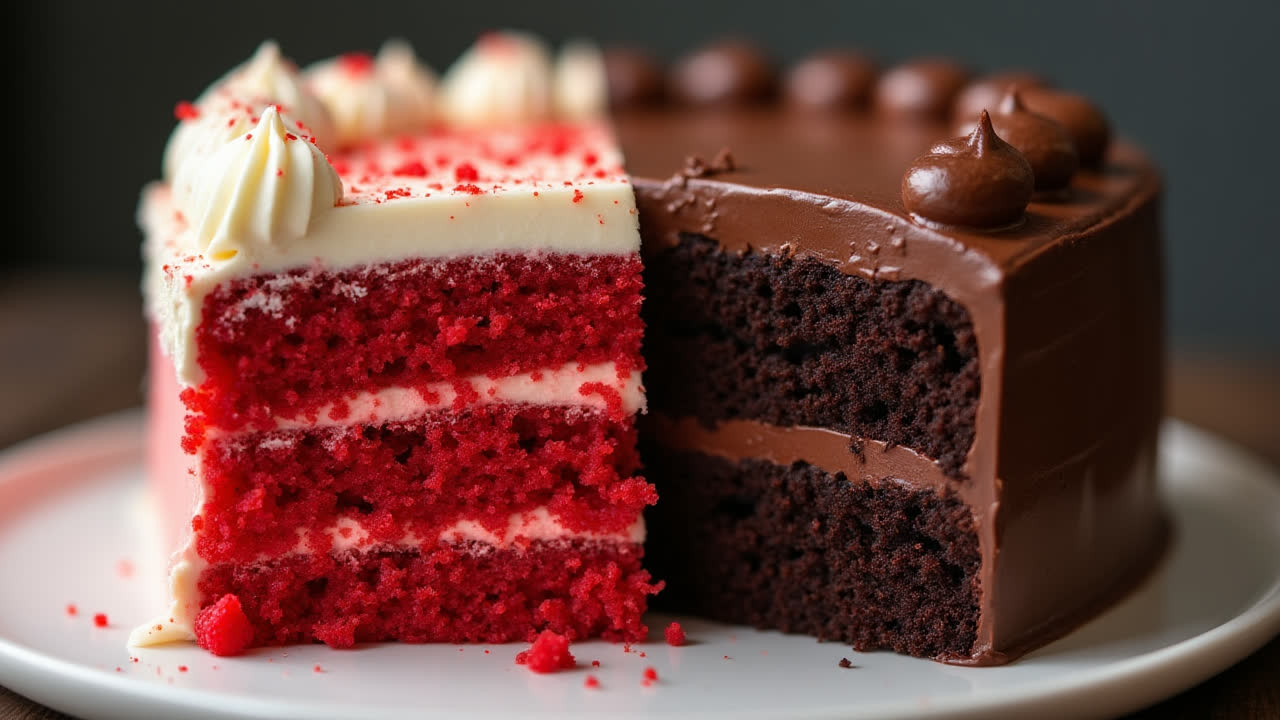
If you're hosting a dessert buffet, why not offer both? The visual contrast between red velvet's crimson layers and chocolate cake's rich brown color creates an appealing display that's sure to impress your guests. You might be surprised to find that many people have never tried one or the other!
Baking Tips for Success
For perfect red velvet cake, measure your ingredients precisely. The balance of acids and bases is crucial for achieving that signature texture. Don't overmix the batter - just combine until ingredients are incorporated. Room temperature ingredients blend more easily, resulting in a smoother batter and better texture.
Chocolate cake is more forgiving, but a few tips will elevate your results. Using coffee instead of water intensifies the chocolate flavor without adding coffee taste. Don't skip the cooling time - chocolate cakes need to set properly to achieve their best texture. And here's a secret: slightly underbaking keeps chocolate cake incredibly moist.
Both cakes benefit from proper storage. Red velvet cake with cream cheese frosting must be refrigerated, while chocolate cake with buttercream can stay at room temperature. Always wrap unfrosted layers tightly to prevent them from drying out - nobody likes a dry cake, regardless of how delicious the flavor!
Frequently Asked Questions
Is red velvet cake just chocolate cake with food coloring?
No, red velvet cake isn't just chocolate cake with food coloring. Red velvet contains less cocoa powder and includes buttermilk and vinegar, which create a unique texture and flavor profile. The acidic ingredients react differently with the cocoa and create a specific chemical reaction that affects both taste and crumb structure.
Can I substitute chocolate cake for red velvet in recipes?
While you can substitute one for the other, the results will differ significantly. Red velvet has a lighter, more delicate flavor and finer texture due to its specific ingredient ratios. Chocolate cake offers stronger chocolate flavor and different texture options. For best results, use the cake type specified in your recipe.
Which cake is healthier: red velvet or chocolate?
Neither cake is particularly "healthy" as both are sweet treats. Red velvet often contains more sugar and food coloring, while chocolate cake may have more cocoa (which contains antioxidants). The healthiness depends more on serving size and frequency of consumption rather than the cake type itself.