Rubbing Alcohol vs Isopropyl Alcohol: What's the Difference?
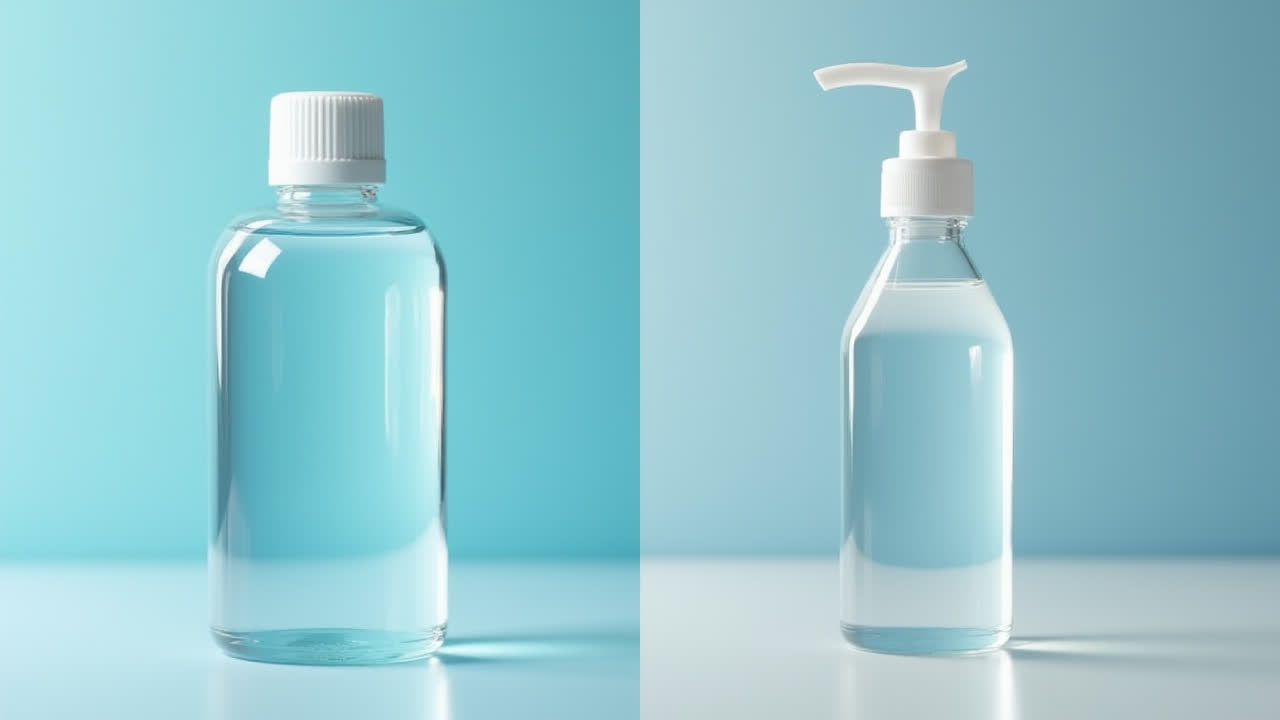
Have you ever found yourself standing in the pharmacy aisle, puzzled by the various bottles of alcohol-based products? You're not alone. The terms rubbing alcohol and isopropyl alcohol are often used interchangeably, causing confusion for many consumers. Despite their similarities, these two substances have distinct differences that make them suitable for different purposes. In this comprehensive guide, I'll break down what sets these common household products apart and help you choose the right one for your needs.
When I first started researching this topic, I was surprised to learn that the main difference between these products comes down to concentration and additives. While both products can disinfect surfaces and clean wounds, understanding their unique properties will help you use them more effectively and safely. Let's dive into the details and clear up any confusion once and for all.
What Is Isopropyl Alcohol?
Isopropyl alcohol, also known as 2-propanol or isopropanol, is a colorless, flammable chemical compound with the molecular formula C₃H₈O. It's a type of secondary alcohol that's manufactured through different industrial processes, including the indirect hydration of propylene. In its purest form, isopropyl alcohol is 100% concentrated, though it's typically sold in various dilutions for different applications.
The chemical structure of isopropyl alcohol gives it several distinctive properties. It evaporates quickly, leaves no residue, and has excellent solvent capabilities. These characteristics make it incredibly versatile across multiple industries. I've found it useful for everything from electronics cleaning to removing stubborn stickers—it's truly a jack-of-all-trades in the chemical world.
Pure isopropyl alcohol doesn't contain any additives and comes in various concentrations ranging from 70% to 99.9%. The remaining percentage is typically water. Higher concentrations evaporate more quickly and have stronger solvent properties, but they're not always better for disinfection. In fact, a 70% solution is often more effective at killing germs because the water content helps slow evaporation, allowing the alcohol to penetrate cell membranes more effectively.
Beyond household use, isopropyl alcohol serves as a crucial ingredient in many industrial applications. It's used in the manufacturing of acetone, glycerol, and isopropyl acetate. The pharmaceutical industry uses it as a solvent in the production of various medications, while the electronics industry relies on its non-conductive properties for cleaning sensitive components. Its versatility truly makes it an indispensable chemical in modern life.
What Is Rubbing Alcohol?
Rubbing alcohol is actually a consumer product that contains isopropyl alcohol as its active ingredient, typically at a concentration of 70%. The term originates from its historical use as a medicinal rubdown to reduce fever and provide relief for sore muscles. Today, it's one of the most common household antiseptics found in medicine cabinets across the country.
Unlike pure isopropyl alcohol, rubbing alcohol is a formulated product that contains additional ingredients. Most commercially available rubbing alcohol products include water (around 30%) and denaturants—bitter-tasting additives specifically included to discourage ingestion. Some brands may also add fragrances, colorants, or other additives like glycerin to reduce skin drying. I've noticed that these additional ingredients give rubbing alcohol its characteristic smell that's distinct from pure isopropyl alcohol.
The standard 70% concentration of rubbing alcohol makes it particularly effective as a disinfectant. This specific concentration creates the perfect balance where the alcohol can penetrate cell membranes of microorganisms, while the water slows evaporation, increasing contact time and enhancing germ-killing efficiency. For routine disinfection of surfaces and skin preparation, rubbing alcohol provides excellent antimicrobial action against most bacteria and many viruses.
Rubbing alcohol has established itself as a multipurpose household product. Beyond its primary use as a disinfectant, it works wonderfully for cleaning glass surfaces, removing ink stains, and even eliminating nasty odors. I've used it to clean my phone screen countless times, and it always leaves a streak-free shine. Its accessibility and affordability have made it a staple in homes, schools, hospitals, and workplaces everywhere.
Key Differences Between Rubbing Alcohol and Isopropyl Alcohol
| Feature | Isopropyl Alcohol | Rubbing Alcohol |
|---|---|---|
| Definition | A pure chemical compound (C₃H₈O) | A formulated product containing isopropyl alcohol |
| Concentration | Available in 70% to 99.9% concentrations | Typically 70% isopropyl alcohol with 30% water |
| Additives | None in pure form | Contains denaturants, sometimes fragrances or glycerin |
| Evaporation Rate | Faster (especially at higher concentrations) | Slower due to water content |
| Primary Use | Industrial applications, laboratory solvent | Household disinfectant and antiseptic |
| Effectiveness as Disinfectant | 70% concentration optimal for disinfection | Formulated specifically for disinfection |
| Cost | Generally more expensive (especially higher concentrations) | More affordable for everyday use |
| Packaging | Often sold in laboratory or industrial packaging | Consumer-friendly bottles with safety caps |
Which Is Better for Disinfection?
When it comes to killing germs and bacteria, the concentration of alcohol matters significantly. Contrary to what you might expect, higher isn't always better. For optimal disinfection, 70% alcohol solutions (whether isopropyl alcohol or ethanol) are generally more effective than higher concentrations. This surprising fact stems from how alcohol kills microorganisms.
Alcohol destroys bacteria and viruses primarily through denaturation—it disrupts the protein structure of the microorganism. For this process to work effectively, water is necessary. The water content in 70% solutions slows evaporation and improves penetration through the cell wall, giving the alcohol more time to do its job. In contrast, 99% isopropyl alcohol evaporates too quickly and might not penetrate the cell membrane effectively, potentially allowing some bacteria to survive.
For everyday household disinfection, standard 70% rubbing alcohol provides excellent germ-killing capability. It's specifically formulated for this purpose, making it the go-to choice for disinfecting surfaces, preparing skin for injections, or cleaning minor wounds. I've always kept a bottle in my first aid kit for these exact purposes. The slower evaporation rate also means you get more effective contact time on surfaces, which is crucial for proper disinfection.
Higher-concentration isopropyl alcohol (91-99%) has its place too—particularly when quick drying is desired. It's excellent for cleaning electronics since the reduced water content minimizes the risk of damage to sensitive components. I prefer the 91% version when cleaning my computer keyboard and smartphone since it evaporates rapidly and leaves no residue. However, if your primary goal is disinfection rather than cleaning, the standard 70% rubbing alcohol formula will generally serve you better.
Safety Considerations for Both Products
Both rubbing alcohol and isopropyl alcohol require careful handling due to their flammable nature and potential toxicity. These products should always be stored away from heat sources, open flames, and direct sunlight. The vapors can ignite even at room temperature with an appropriate ignition source, creating a serious fire hazard. I keep mine in a cool, dark medicine cabinet away from anything that might generate heat or sparks.
Inhalation of alcohol vapors can cause respiratory irritation, dizziness, and nausea, especially in poorly ventilated areas. When using either product, ensure adequate ventilation by opening windows or using fans. Prolonged exposure to high concentrations of vapors may lead to more serious health effects like headaches, confusion, and even unconsciousness in extreme cases. I've experienced the unpleasant lightheadedness that comes from cleaning with alcohol in a small bathroom with the door closed—it's not an experience I recommend!
Skin contact with these alcohols can cause drying and irritation due to their defatting properties—they strip away natural oils from the skin. While brief contact for disinfection purposes is generally safe, prolonged or repeated exposure may lead to dermatitis. For tasks requiring extended contact with the product, wearing appropriate gloves can prevent skin issues. After handling either product, washing hands thoroughly helps minimize potential irritation.
Perhaps most importantly, both rubbing alcohol and isopropyl alcohol are highly toxic if ingested. Rubbing alcohol contains denaturants specifically added to discourage consumption, but accidents can happen, especially with children. Ingestion can cause severe alcohol poisoning, which may lead to central nervous system depression, respiratory issues, and even death in sufficient quantities. These products should always be stored out of reach of children and pets, preferably in locked cabinets. The bitter additives in rubbing alcohol provide an extra layer of safety, making it slightly preferable for households with young children.
Everyday Uses and Applications
Both isopropyl alcohol and rubbing alcohol have found their way into countless household applications beyond simple disinfection. They're incredibly versatile chemicals that can address numerous cleaning challenges. For cleaning glass surfaces like mirrors and windows, these alcohols create a streak-free shine that's hard to beat. I've found mixing a solution of water and alcohol in a spray bottle makes for an excellent, inexpensive glass cleaner that rivals commercial products.
The powerful solvent properties of these alcohols make them excellent for removing sticky residues from labels, price tags, and adhesives. When dealing with a stubborn sticker that just won't come off, a little rubbing alcohol on a cloth can work wonders. It dissolves the adhesive without damaging most surfaces (though always test in an inconspicuous area first). This same property makes it effective for removing ink stains from clothing or surfaces—I once saved a favorite shirt from what seemed like certain doom after a pen leaked in my pocket.
In the realm of personal care, rubbing alcohol can serve as an astringent to help reduce oiliness on the skin or as a cooling rub to temporarily relieve muscle aches. Some people use it as an underarm deodorant in a pinch, as it kills odor-causing bacteria. Musicians with string instruments often use it to clean strings and remove finger oils that accumulate during playing. The applications truly seem endless once you start looking for them.
For electronics cleaning, isopropyl alcohol—particularly higher concentrations like 91% or 99%—is preferred due to its lower water content and faster evaporation rate. It can safely clean circuit boards, computer components, and connectors without causing corrosion. Technicians often use it to clean thermal paste from processors when replacing computer heat sinks. Just remember to disconnect power sources and allow components to dry completely before reconnecting electricity. The versatility of these products makes them true household essentials for anyone who values efficient, effective cleaning solutions.
Frequently Asked Questions
Can I use rubbing alcohol to clean wounds?
While rubbing alcohol has been traditionally used to clean minor cuts and scrapes, modern medical advice suggests using milder alternatives. Rubbing alcohol can be effective at killing bacteria, but it also damages healthy tissue and can delay healing. For wound cleaning, healthcare professionals now recommend using mild soap and water or saline solution instead. If disinfection is necessary, products specifically formulated for wound care, like hydrogen peroxide (3%) or chlorhexidine, are generally better choices. However, rubbing alcohol still works well for disinfecting intact skin before injections or minor procedures.
Is 99% isopropyl alcohol better than 70% for disinfecting surfaces?
Surprisingly, 70% isopropyl alcohol is generally more effective than 99% for disinfecting surfaces. Although it might seem counterintuitive, the higher water content in 70% solutions slows evaporation and allows longer contact time with pathogens. The water also helps the alcohol penetrate cell membranes more effectively. The 99% solution evaporates too quickly to achieve optimal disinfection in many cases. For electronics cleaning where minimal moisture is desired, 99% isopropyl alcohol is preferable, but for general disinfection of surfaces and skin preparation, 70% solutions provide better antimicrobial action against most bacteria and viruses.
Can rubbing alcohol damage painted or finished surfaces?
Yes, both rubbing alcohol and isopropyl alcohol can potentially damage certain painted, varnished, or finished surfaces. The solvent properties that make these alcohols excellent cleaners also mean they can dissolve some paints, finishes, and coatings. Particularly vulnerable are lacquered or shellacked surfaces, certain plastic materials, and some painted finishes. Before using alcohol on any valuable or finished surface, always test in an inconspicuous area first. Apply a small amount to a hidden spot and wait several minutes to check for any discoloration, dulling, or damage to the finish. For delicate surfaces, consider using milder cleaning solutions specifically formulated for those materials.
Conclusion
Understanding the differences between rubbing alcohol and isopropyl alcohol helps you choose the right product for your specific needs. While isopropyl alcohol is the pure chemical compound available in various concentrations, rubbing alcohol is a formulated product typically containing 70% isopropyl alcohol with water and additives. For most household disinfection purposes, standard rubbing alcohol provides excellent effectiveness with added safety features like denaturants to prevent accidental ingestion.
When deciding which to purchase, consider your intended use. For general disinfection and first aid, rubbing alcohol offers the ideal balance of effectiveness, safety, and affordability. For electronics cleaning or applications requiring minimal water content, higher-concentration isopropyl alcohol may be preferable. Regardless of which product you choose, always handle these flammable substances with appropriate care, store them safely away from heat sources and children, and use them in well-ventilated areas.
With their versatile cleaning and disinfecting properties, both products deserve a place in your household arsenal of cleaning supplies. Their ability to tackle everything from sticky residues to germy surfaces makes them indispensable tools for maintaining a clean, healthy home environment. Next time you're faced with the choice between these products on the store shelf, you'll know exactly which one best suits your needs.