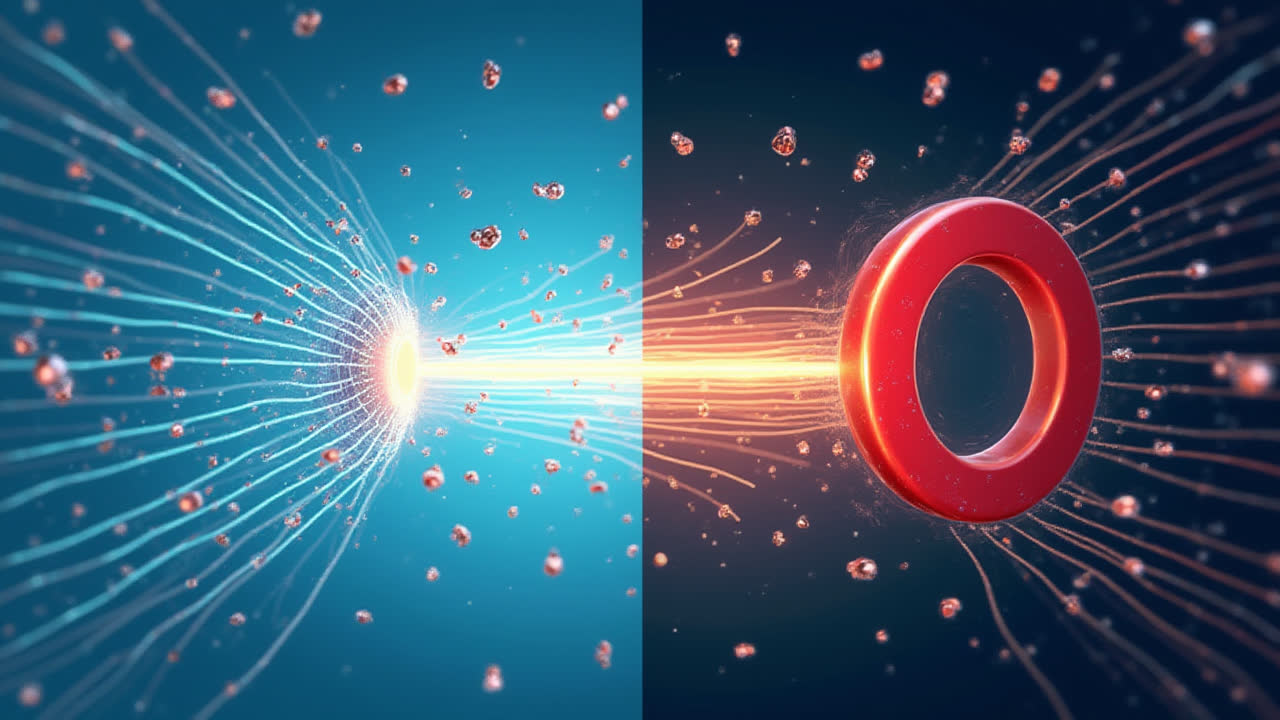
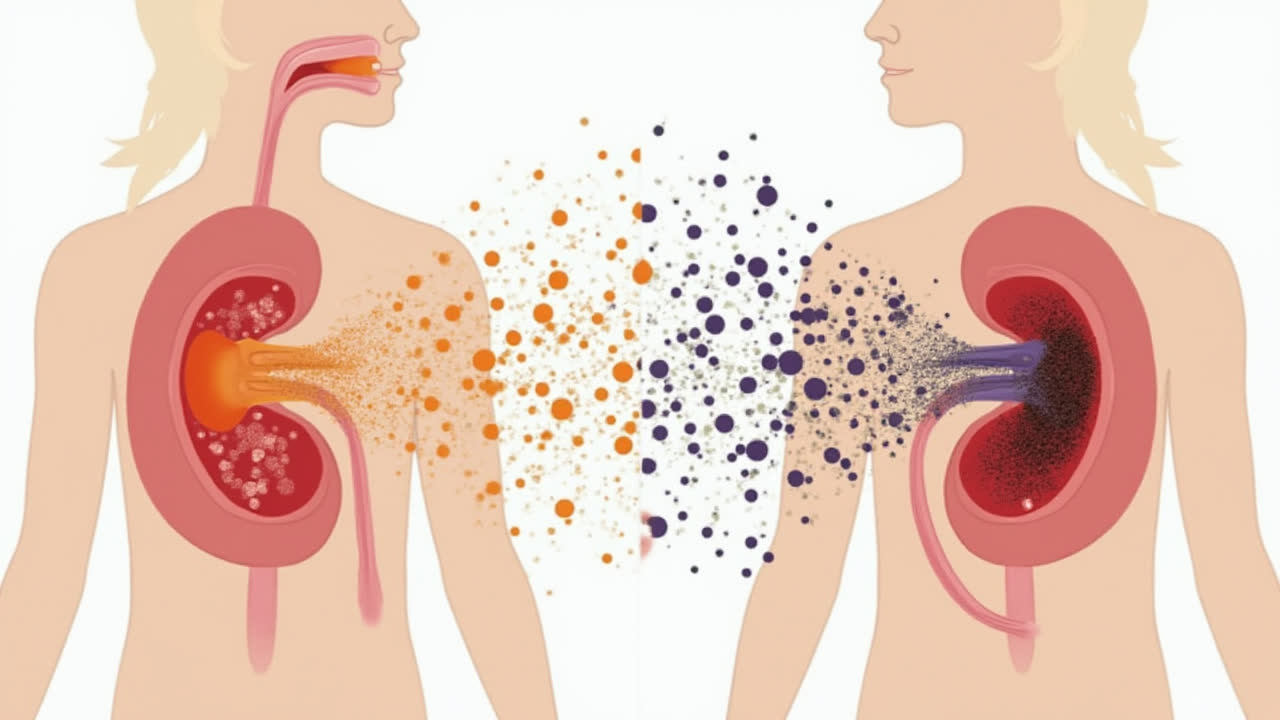
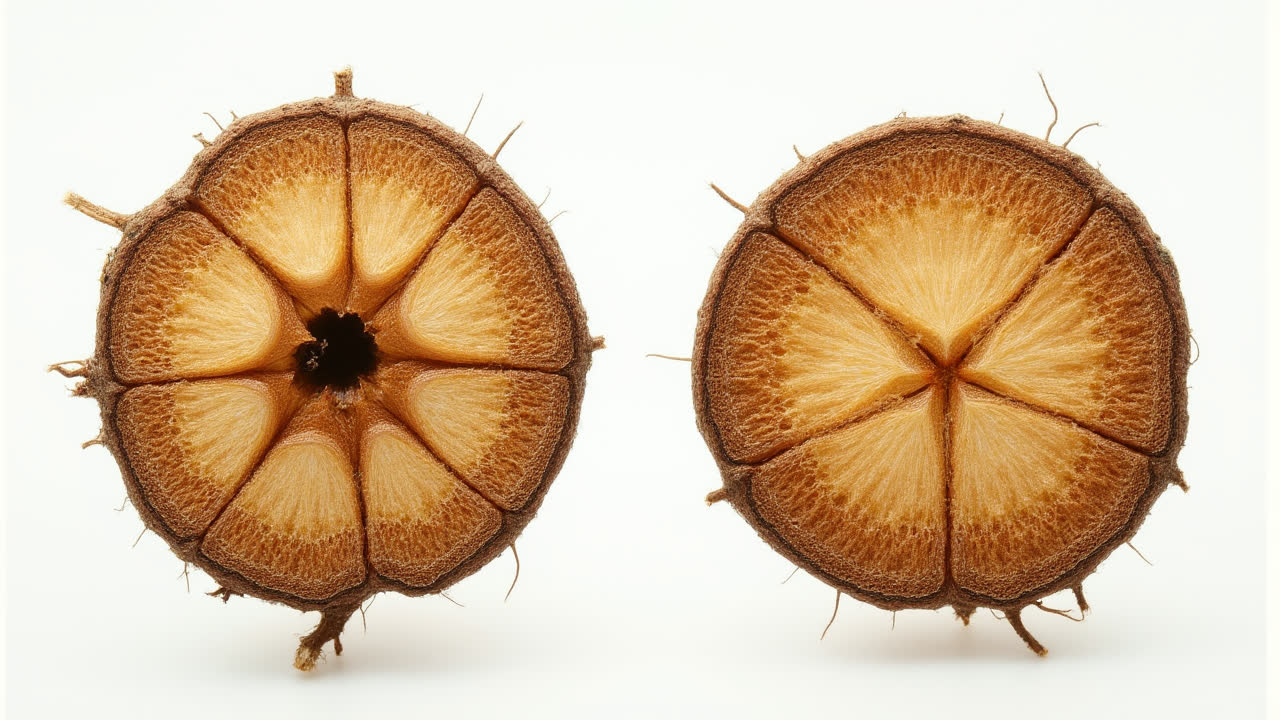
Schizocoelous vs Enterocoelous: 8 Key Differences Explained
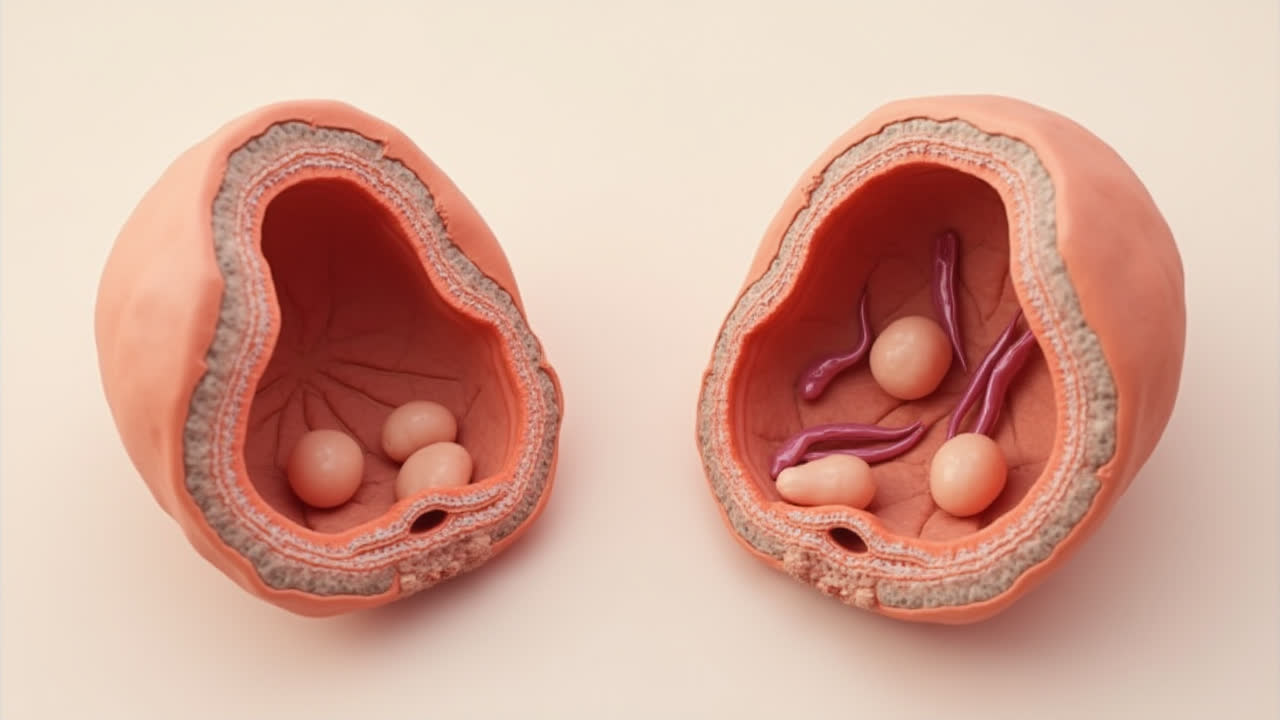
When exploring the fascinating world of embryonic development, understanding the differences between schizocoelous and enterocoelous development is crucial for comprehending how various animal groups evolve their body plans. I've always been amazed by the intricate processes that shape living organisms, especially how the formation of body cavities determines an animal's structural organization.
Have you ever wondered why some animals develop differently than others? The key often lies in how their body cavities form during early development. In my years studying biology, I've found that the coelom development mechanism is one of the most defining characteristics that separates major animal groups.
The coelom is essentially the main body cavity that houses internal organs in many animals. However, not all coelomic cavities are created equal! Depending on whether an animal follows the protostome or deuterostome developmental pathway, their coelom will form in distinctly different ways. This fundamental difference is what we'll explore in this article, as I break down the schizocoelous and enterocoelous developmental patterns.
What is Schizocoelous Development?
Schizocoelous development (or schizocoely) refers to the embryonic process where the coelom forms through the splitting of mesoderm tissue. In this developmental pattern, the mesoderm initially appears as a solid mass of cells between the endoderm and ectoderm layers. As development progresses, this solid mesodermal block splits internally, creating a cavity that becomes the coelom.
I once observed this process under a microscope during my undergraduate studies, and it reminded me of watching ice crack from within. The solid block of mesoderm cells doesn't split randomly – it follows a precise pattern, gradually forming spaces that coalesce into the functional body cavity. It's fascinating how this seemingly simple splitting mechanism ultimately creates complex internal structures!
This type of coelom formation is characteristic of protostomes – a major group of animals where the blastopore (the first opening that forms during gastrulation) develops into the mouth. Some common examples of animals that undergo schizocoelous development include annelids (like earthworms), mollusks (such as snails and clams), and arthropods (including insects and crustaceans).
What makes schizocoelous development particularly distinctive is its association with other developmental characteristics. Protostomes typically display spiral, determinate cleavage patterns during early cell division stages. This means their cells divide in a spiral pattern, and the fate of each cell is determined very early in development. You might think of it as having a strict blueprint where each cell's destiny is mapped out from the beginning.
What is Enterocoelous Development?
Enterocoelous development (or enterocoely) represents a completely different approach to forming the coelom. Rather than splitting existing mesoderm, the coelom in enterocoelous animals forms from pouches that develop as outgrowths from the primitive gut (archenteron). These pouches "pinch off" from the digestive cavity, creating separate compartments that eventually develop into the coelom.
The first time I saw diagrams of this process, it reminded me of how we might pinch and separate a portion of a balloon to create a separate chamber. Nature essentially creates new spaces by budding them off from existing cavities. This elegant solution achieves the same functional result as schizocoely but through an entirely different developmental pathway.
Enterocoelous development is characteristic of deuterostomes – the second major group of animals where the blastopore develops into the anus rather than the mouth (which forms secondarily elsewhere). The deuterostome group includes several familiar animal phyla: echinoderms (sea stars, sea urchins), hemichordates (acorn worms), and chordates (including all vertebrates like fish, amphibians, reptiles, birds, and mammals – and yes, that includes us humans!).
Complementing this coelom formation pattern, deuterostomes typically show radial, indeterminate cleavage during early development. Their cells divide in a radial pattern, and individual cells retain the ability to develop into complete embryos if separated early enough – a property sometimes called regulative development. I like to think of it as having a flexible developmental program, where cells can adapt their fate based on their position and surrounding signals.
Comparing Schizocoelous and Enterocoelous Development
| Feature | Schizocoelous | Enterocoelous |
|---|---|---|
| Formation Process | Coelom forms by splitting solid mesoderm | Coelom forms from pouches of archenteron |
| Animal Group | Protostomes | Deuterostomes |
| Blastopore Fate | Develops into mouth | Develops into anus |
| Cleavage Pattern | Spiral, determinate | Radial, indeterminate |
| Developmental Flexibility | Less flexible (mosaic) | More flexible (regulative) |
| Mesoderm Origin | Typically from 4d cell | From archenteron wall |
| Example Animals | Annelids, arthropods, mollusks | Echinoderms, hemichordates, chordates |
| Evolutionary Emergence | Generally considered more ancient | Generally considered more derived |
While the table above highlights the key differences, it's worth noting that both developmental patterns ultimately achieve the same functional goal: creating a body cavity that houses and protects internal organs. The coelom also provides hydrostatic support, allowing for more complex movement and body functions. Sometimes I'm struck by how evolution has found multiple solutions to the same biological challenge!
Evolutionary Significance of Coelom Development Patterns
The distinction between schizocoelous and enterocoelous development represents one of the deepest evolutionary divergences in the animal kingdom. This fundamental split between protostomes and deuterostomes occurred hundreds of millions of years ago, yet the developmental patterns established then continue to shape animal diversity today.
From an evolutionary perspective, the emergence of a fluid-filled body cavity was revolutionary. The coelom allowed for the development of more complex organ systems, improved circulation, and more efficient waste removal. It provided a protective environment for developing organs and enabled more sophisticated movement capabilities. These advantages contributed significantly to the diversification and evolutionary success of coelomate animals.
I've often thought about how these different developmental strategies might reflect adaptation to different environmental pressures or evolutionary constraints. The deterministic development of protostomes might offer advantages in stable environments where rapid, predictable development is beneficial. In contrast, the more flexible developmental pattern of deuterostomes might provide advantages in variable environments where adaptability is key.
It's fascinating to consider that despite these profound developmental differences, both protostomes and deuterostomes have achieved remarkable evolutionary success. The protostome lineage has produced the greatest number of animal species (particularly thanks to the incredible diversity of arthropods), while the deuterostome lineage has produced some of the most complex organisms (including vertebrates).
Modern molecular and genetic research continues to reveal the genetic underpinnings of these developmental differences. The genes that control these distinct developmental pathways offer valuable insights into the evolutionary history of animal life and the molecular mechanisms that shape body plans. Every time I read about new discoveries in this field, I'm reminded of how much we still have to learn about the fundamental processes that shape life on Earth.
Common Misconceptions About Coelom Development
Throughout my years of teaching biology, I've encountered several common misconceptions about schizocoelous and enterocoelous development that deserve clarification. One persistent misunderstanding is that these developmental patterns are absolute and without exceptions. In reality, evolutionary biology rarely deals in absolutes!
While the protostome-deuterostome distinction is a useful framework, nature doesn't always follow our neat categories. Some animals display intermediate or modified developmental patterns that don't fit perfectly into either category. Additionally, molecular phylogenetics has sometimes revealed surprising relationships that don't align with traditional classifications based on developmental patterns.
Another misconception is that one developmental pattern is "better" or "more advanced" than the other. Both strategies have proven remarkably successful in evolutionary terms, and each offers distinct advantages in different contexts. The diversity of life on Earth is a testament to the success of multiple developmental strategies.
I've also noticed that students sometimes confuse the presence of a coelom with evolutionary advancement. While coelomate animals certainly include complex forms like vertebrates, the presence of a coelom alone doesn't determine complexity. Some acoelomate animals (lacking a coelom) or pseudocoelomate animals (with a partial coelom) display remarkable complexity and evolutionary success in their own right.
Frequently Asked Questions
What is the main difference between schizocoelous and enterocoelous development?
The main difference lies in how the coelom (body cavity) forms during embryonic development. In schizocoelous development, the coelom forms through the splitting of a solid block of mesoderm tissue. In contrast, enterocoelous development involves the formation of the coelom from pouches that develop as outgrowths from the archenteron (primitive gut). This fundamental distinction represents one of the deepest evolutionary divergences in the animal kingdom, separating protostomes from deuterostomes.
Are humans schizocoelous or enterocoelous?
Humans, along with all other vertebrates, develop through enterocoelous coelom formation. We belong to the deuterostome lineage, where the blastopore develops into the anus, and the coelom forms from pouches of the archenteron. This developmental pattern places us in the same broad evolutionary group as echinoderms (sea stars, sea urchins) and hemichordates, despite the obvious differences in our adult forms. Our shared enterocoelous development reflects our common evolutionary history.
Why is coelom development important in animal classification?
Coelom development is a fundamental characteristic used in animal classification because it reflects deep evolutionary relationships. The distinction between schizocoelous (protostome) and enterocoelous (deuterostome) development represents one of the earliest major branches in the evolution of bilaterally symmetrical animals. This developmental characteristic is typically consistent within major animal groups and correlates with other important developmental features such as cleavage patterns, blastopore fate, and mesoderm formation. Together, these characteristics help biologists construct evolutionary trees and understand the relationships between different animal phyla.
Conclusion
The distinction between schizocoelous and enterocoelous development represents one of the most fundamental divergences in animal evolution. These different pathways to forming a body cavity have profound implications for how we understand animal relationships and evolutionary history.
While schizocoelous development (characteristic of protostomes like annelids, mollusks, and arthropods) involves the splitting of solid mesoderm, enterocoelous development (seen in deuterostomes like echinoderms and chordates) involves the formation of coelom from pouches of the primitive gut. These different developmental strategies are accompanied by other distinctive features, including differences in cleavage patterns, blastopore fate, and developmental flexibility.
Despite these profound developmental differences, both strategies have proven remarkably successful in evolutionary terms. The incredible diversity of animals on Earth today is a testament to the adaptive value of both developmental pathways.
As our understanding of developmental biology and molecular genetics continues to advance, we gain ever deeper insights into the mechanisms that control these developmental processes and the evolutionary forces that have shaped them. The study of schizocoelous and enterocoelous development remains a vibrant area of biological research, offering valuable windows into both the history and future potential of animal life.
The next time you observe an earthworm or sea star, remember that the fundamental differences in how they developed as embryos tell a story of evolutionary divergence that occurred hundreds of millions of years ago. In the seemingly simple distinction between schizocoelous and enterocoelous development lies a key to understanding the magnificent diversity of the animal kingdom.