Seasoning vs Flavoring: Understanding the Key Differences
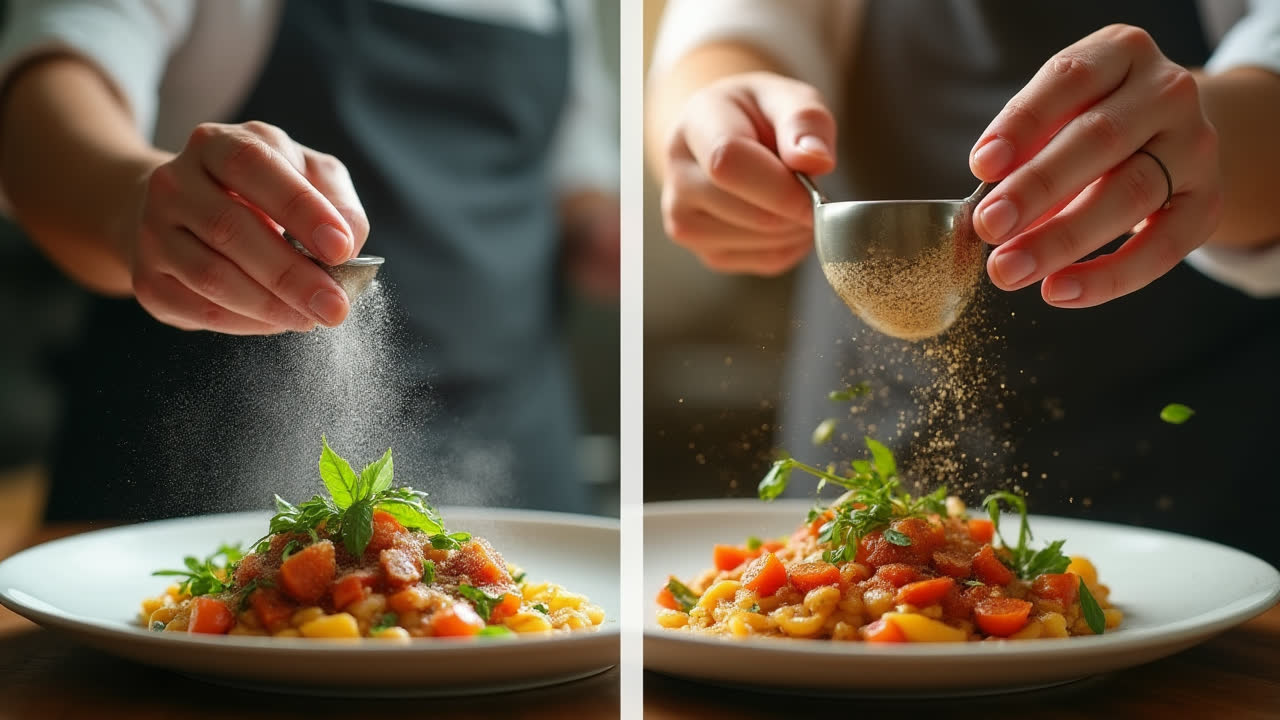
Have you ever wondered why some cooks seem to have a magical touch with food? The secret often lies in understanding the subtle yet crucial difference between seasoning and flavoring. While many of us use these terms interchangeably in everyday conversation, professional chefs know they represent fundamentally different approaches to food enhancement. Mastering when and how to use each technique can transform your cooking from good to extraordinary.
When I first started cooking seriously, I made the classic mistake of thinking that dumping herbs and spices into a dish automatically made it better. Boy, was I wrong! It took me years to understand that sometimes less is more, and knowing whether to season or flavor can make all the difference. In this comprehensive guide, we'll explore everything you need to know about these essential culinary concepts.
What Is Seasoning? The Art of Enhancement
At its core, seasoning is the process of adding ingredients to food with the specific purpose of enhancing or bringing out its natural, inherent flavors. Rather than changing what the food tastes like, seasoning amplifies what's already there. Think of it as turning up the volume on your favorite song – the music remains the same, just more pronounced and enjoyable.
The most common seasonings in culinary traditions worldwide include salt, pepper, and acidic substances like lemon or lime juice. These ingredients have the remarkable ability to wake up the natural flavors in foods without imposing their own character too strongly. Salt, in particular, is perhaps the most important seasoning in cooking, as it has the unique ability to reduce bitterness while enhancing sweetness and other flavors.
One of the fascinating aspects of proper seasoning is that when done correctly, you shouldn't actually taste the seasoning itself in the finished dish. For example, when you add the right amount of salt to a tomato sauce, you don't think, "This tastes salty." Instead, you think, "These tomatoes taste incredibly vibrant and rich." The salt has done its job by highlighting the tomato's natural qualities without announcing its own presence.
Timing is also crucial when it comes to seasoning. While some basic seasoning might be added at the beginning of cooking, the final adjustments are typically made toward the end of the cooking process. This allows you to season with precision, tasting as you go until the food's natural flavors are perfectly balanced and enhanced.
What Is Flavoring? The Art of Transformation
Flavoring, on the other hand, is about adding ingredients that intentionally change or modify the original flavor profile of a food. When you flavor a dish, you're introducing new taste elements that weren't present before. It's more like adding a new instrument to a musical piece – the composition changes with this addition.
Herbs, spices, aromatics, sauces, alcohols, and extracts are common flavoring agents. When you add rosemary to potatoes, vanilla to cake batter, or curry powder to chicken, you're not just enhancing what's already there – you're fundamentally altering the flavor experience. The finished dish will have characteristics of the original ingredients plus the distinctive notes of the flavorings you've added.
Unlike seasoning, flavoring agents are meant to be detected and appreciated in the final dish. When you taste garlic in a pasta sauce or cinnamon in an apple pie, you're experiencing these ingredients as distinct flavoring elements that contribute to the overall taste profile. That's why recipes often name these prominent flavors – "Garlic Butter Shrimp" or "Rosemary Roasted Potatoes" – because they're significant, identifiable components of the dish.
The timing of adding flavorings can vary significantly depending on the ingredient and desired outcome. Some flavorings, particularly whole spices and hardy herbs, benefit from longer cooking times to fully release their compounds and integrate with other ingredients. Others, like fresh herbs or citrus zest, might be added at the last minute to preserve their bright, volatile flavors that would otherwise dissipate with prolonged heat.
The Relationship Between Seasoning and Flavoring
While I've outlined the differences between seasoning and flavoring, it's important to recognize that they exist on a spectrum rather than in completely separate categories. Sometimes, the distinction comes down to quantity and intention rather than the ingredient itself.
Take nutmeg, for example. A tiny pinch added to creamed spinach acts as a seasoning – it enhances the natural flavor of the spinach without asserting its own character too strongly. You might not even identify nutmeg in the final dish. However, add a generous amount of nutmeg to a béchamel sauce, and it becomes a flavoring, contributing its distinctive warm, aromatic quality that's clearly recognizable.
Similarly, even salt – the quintessential seasoning – can cross into flavoring territory when used in larger quantities or specific applications. Think of salt-crusted fish or pretzels, where the salt is meant to be tasted as a flavor component rather than just an enhancer.
In culinary practice, most dishes rely on a harmonious combination of both seasoning and flavoring techniques. You might season a steak with salt and pepper to enhance its natural meatiness, then add a compound butter flavored with garlic and herbs to introduce new flavor dimensions. Neither approach is inherently superior – they serve different purposes and work together to create well-rounded, delicious food.
Comparison Table: Seasoning vs Flavoring
| Characteristic | Seasoning | Flavoring |
|---|---|---|
| Primary Purpose | Enhances or brings out natural flavors | Changes or modifies original flavors |
| Common Examples | Salt, pepper, acids (lemon juice) | Herbs, spices, aromatics, extracts |
| Timing in Cooking | Often added at the end of cooking | Can be added at any stage, depending on ingredient |
| Detection in Final Dish | Ideally not directly detected | Often distinctly noticeable |
| Quantity Used | Generally smaller amounts | Can vary from small to substantial |
| Effect on Dish Identity | Preserves original identity | Can define the dish's character |
| Recipe Naming Impact | Rarely mentioned in dish names | Often featured in dish names |
| Substitutability | Limited substitutes (especially for salt) | Many possible alternatives |
Practical Applications in Everyday Cooking
Understanding the distinction between seasoning and flavoring has practical implications for improving your cooking. Here are some tangible ways to apply these concepts in your kitchen:
Seasoning Best Practices
- Season gradually throughout cooking, tasting as you go. It's much easier to add more than to fix over-seasoned food.
- Use kosher or sea salt for cooking rather than table salt – the larger crystals dissolve more gradually and provide better control.
- Remember that different foods need different levels of seasoning. Starches like pasta and potatoes require more salt than proteins to taste properly seasoned.
- Don't forget about acid as a seasoning element. A squeeze of lemon or a splash of vinegar can brighten flavors dramatically without adding new flavor notes.
- Consider salt alternatives like soy sauce, fish sauce, or miso when you want to add seasoning plus a hint of umami.
Flavoring Techniques
- Toast whole spices before using them to unlock more profound aromatic compounds and flavors.
- Create flavor bases like sofrito, mirepoix, or trinity at the beginning of cooking to build a foundation of flavor.
- Layer flavors by adding different ingredients at various stages of cooking – some at the beginning, some in the middle, and some at the end.
- Use fresh herbs differently than dried ones. Generally, add dried herbs earlier in cooking and fresh herbs later.
- Consider flavor affinity – some ingredients naturally complement each other (tomatoes and basil, lamb and rosemary) because they share flavor compounds.
Cultural Perspectives on Seasoning and Flavoring
Different culinary traditions around the world have developed unique approaches to seasoning and flavoring that reflect their history, available ingredients, and cultural values. These varied approaches provide fascinating insights into how different cultures think about taste enhancement.
In traditional French cuisine, for instance, there's an emphasis on letting high-quality ingredients speak for themselves through careful seasoning rather than heavy flavoring. The classic French mirepoix (onions, carrots, and celery) provides a subtle flavor base, while techniques like deglazing with wine add depth without overwhelming natural flavors.
By contrast, many Asian culinary traditions embrace bold flavoring through complex spice blends and sauces. Indian cooking uses masalas (spice mixtures) to create distinctive flavor profiles, while Chinese five-spice powder combines star anise, cloves, cinnamon, Sichuan peppercorns, and fennel to add characteristic flavoring to many dishes.
Mediterranean cooking often blurs the line between seasoning and flavoring through the use of ingredients like olive oil, which both enhances natural flavors and adds its own distinct character. The region's emphasis on fresh herbs used abundantly (rather than sparingly) creates dishes where the herbs are both seasoning and flavoring elements.
In my travels through Mexico, I discovered a cuisine that expertly balances both approaches. Traditional Mexican cooks might use salt, lime, and small amounts of chile to season and enhance proteins and vegetables. But they also create complex flavor transformations through ingredients like mole sauce, which can contain over 20 components including chilies, nuts, seeds, spices, and chocolate.
Frequently Asked Questions
Can the same ingredient be both a seasoning and a flavoring?
Yes, absolutely! Many ingredients can function as either a seasoning or a flavoring depending on how they're used. The distinction often comes down to quantity and intention. For example, a small amount of lemon juice can season a dish by brightening its natural flavors without adding a strong lemon taste. However, when used in larger amounts or when the zest is included, lemon becomes a flavoring that contributes its own distinctive character to the dish. Similarly, herbs like thyme or bay leaf can act as subtle seasonings in small amounts or become more pronounced flavorings when used more generously.
Why do restaurant dishes often taste better than home-cooked meals?
Professional chefs generally have a much better understanding of proper seasoning and flavoring techniques than home cooks. Restaurants typically season food more assertively than most people do at home, particularly with salt. They also know exactly when to add different seasonings and flavorings for maximum impact. Additionally, restaurants often use more fat (butter, oil) than home cooks, which carries flavor compounds and creates satisfying mouthfeel. Finally, professional kitchens have access to high-heat cooking methods that create flavor-enhancing caramelization and Maillard reactions that are difficult to achieve in standard home kitchens.
Should I invest in expensive salts and spices for better results?
Quality does matter with seasonings and flavorings, but you don't need to break the bank. For everyday cooking, a good kosher salt or sea salt is sufficient – the important thing is learning how to use it properly. With spices, freshness is more important than price point. A recently purchased jar of grocery store cinnamon will give you better results than an expensive but old and stale specialty spice. Consider buying whole spices when possible and grinding them yourself, as they retain flavor longer. For herbs, fresh ones do make a noticeable difference in many applications. If you use a particular spice or herb frequently, it might be worth investing in a higher-quality version, but proper technique will always matter more than ingredient cost.
Conclusion: Balancing Seasonings and Flavorings in Your Cooking
The difference between seasoning and flavoring may seem subtle, but understanding this distinction can significantly elevate your cooking. Seasoning enhances the natural flavors already present in your ingredients, while flavoring introduces new taste elements that change the character of the dish.
Great cooks know when to let quality ingredients shine through thoughtful seasoning and when to transform foods through creative flavoring. Rather than seeing these as opposing techniques, consider them complementary tools in your culinary arsenal. The best dishes often employ both strategies, creating layers of flavor that are at once true to the ingredients and excitingly novel.
As you continue your cooking journey, pay attention to how different ingredients function in your dishes. Are they enhancing what's already there, or are they adding something new? By consciously considering the role of each addition, you'll develop a more intuitive understanding of flavor development and composition.
Remember, cooking is both science and art. While there are principles to guide us, there are no absolute rules. Sometimes breaking conventions leads to delicious discoveries. So experiment, taste constantly, and most importantly, enjoy the process of creating food that nourishes both body and spirit.