Secretion vs Excretion: 6 Critical Differences You Need to Know
Secretion vs Excretion: Understanding the Critical Differences
Our bodies are remarkable machines constantly working to maintain balance through various biological processes. Among these essential functions, secretion and excretion play vital roles in managing substances within our systems. Though they may sound similar, these processes serve distinctly different purposes in maintaining our body's homeostasis. Have you ever wondered why your body produces saliva or sweat, and how these processes differ fundamentally?
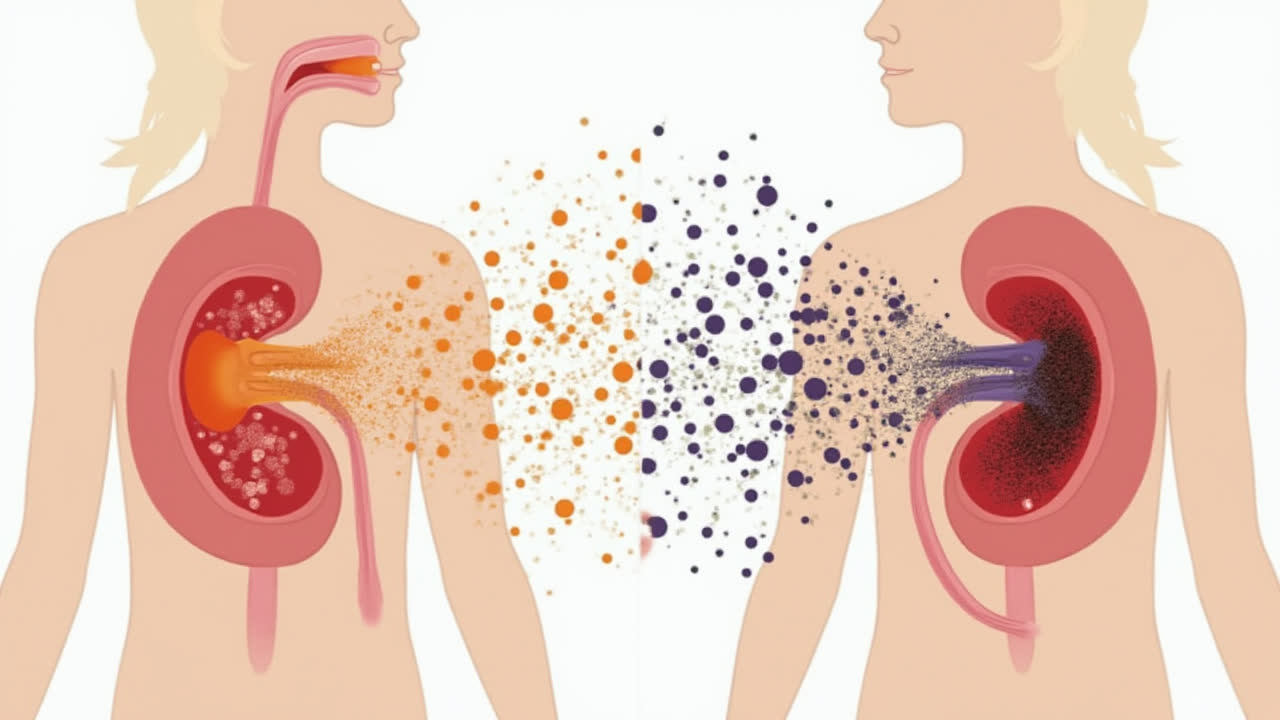
Both secretion and excretion involve the movement of materials within or out of the body, but they serve different physiological purposes. The primary distinction lies in their fundamental roles: secretion produces and releases substances that have further use in the body, while excretion eliminates waste products that the body no longer needs. Understanding these differences helps appreciate how our bodies maintain their delicate internal balance.
In this comprehensive guide, we'll explore the fascinating world of these biological processes, examining their definitions, the organs involved, the substances they handle, and their crucial roles in keeping us healthy. Whether you're a student studying biology or simply curious about how your body works, this comparison will shed light on these essential functions that operate continuously beneath our awareness.
What is Secretion? Definition and Function
Secretion is an active biological process where cells, glands, or organs produce and release substances that serve specific functions elsewhere in the body. Unlike excretion, secreted materials have important metabolic or physiological roles to play after their release. Think of secretion as your body's production line, creating specialized chemicals needed for various bodily functions.
The secretory process typically involves specialized cells that synthesize substances and then release them either into the bloodstream or into cavities and ducts. For example, endocrine glands secrete hormones directly into the bloodstream, while exocrine glands release their products through ducts to specific locations. The Golgi apparatus within cells plays a crucial role in the production and packaging of these secretory substances before they're released.
Common examples of secreted substances include saliva from salivary glands, digestive enzymes from the pancreas, bile from the liver, and various hormones from endocrine glands like insulin from the pancreas or adrenaline from adrenal glands. These secretions serve essential functions like aiding digestion, regulating metabolism, or coordinating various bodily processes. Without proper secretion, many critical bodily functions would be compromised, leading to various disorders and diseases.
What is Excretion? Definition and Function
While secretion produces useful substances, excretion is primarily concerned with eliminating waste. Excretion is the process by which metabolic waste products and excess substances are removed from the body. These materials have no further physiological use and could potentially harm the body if allowed to accumulate. Excretion functions as your body's waste management system, removing potentially harmful byproducts of metabolism.
Unlike secretion, excretion is generally considered a passive process, though some aspects may involve active transport mechanisms. The primary purpose of excretion is to maintain homeostasis by removing waste products, balancing water content, regulating inorganic ion levels, and maintaining acid-base balance in the body. This careful regulation ensures that your internal environment remains stable despite changes in external conditions or variations in diet and activity.
In humans and other complex organisms, specialized organs handle excretion. The kidneys filter blood to remove nitrogenous wastes like urea and excess ions, producing urine. The lungs excrete carbon dioxide, a waste product of cellular respiration. The skin excretes water, salts, and small amounts of urea through sweat. Even the digestive system participates in excretion by eliminating solid wastes as feces. Each of these systems works in concert to ensure that harmful substances don't accumulate in the body.
Comparing Secretion and Excretion: Key Differences
| Comparison Point | Secretion | Excretion |
|---|---|---|
| Definition | Movement of useful materials from one part of the body to another | Removal of waste materials from the body |
| Nature of Process | Active process requiring energy | Primarily passive process |
| Purpose | Produces substances needed for metabolism and body functions | Eliminates waste products and maintains homeostasis |
| Materials Involved | Saliva, hormones, enzymes, bile | Urine, feces, sweat, carbon dioxide, tears |
| Major Organs Involved | Salivary glands, pancreas, endocrine glands, liver | Kidneys, lungs, skin, large intestine |
| Cellular Components | Golgi apparatus plays a major role | Various organelles depending on waste type |
| Physiological Importance | Regulates body processes and enables essential functions | Prevents toxicity and maintains internal balance |
| Examples | Insulin secretion, gastric juice production | Urination, defecation, sweating, exhalation |
Similarities Between Secretion and Excretion
Despite their fundamental differences, secretion and excretion share several important similarities. Both processes involve the movement or passage of materials within or out of the body and play crucial roles in maintaining homeostasis. Understanding these shared characteristics helps appreciate how these seemingly different processes contribute to the body's overall function.
- Homeostatic regulation: Both processes help maintain the body's internal balance, though through different mechanisms.
- Organ involvement: Both secretion and excretion rely on specialized organs and glands to perform their functions effectively.
- Cellular activity: Both processes involve cellular mechanisms for moving substances across membranes.
- Continuous processes: Neither secretion nor excretion stops while we're alive; they occur continuously to maintain body functions.
- Response to stimuli: Both processes can be regulated and adjusted in response to the body's changing needs.
Interestingly, some organs participate in both secretion and excretion. The liver, for instance, secretes bile for digestion but also excretes waste products like bilirubin. Similarly, the skin's sweat glands secrete antimicrobial peptides while also excreting water and salts. This dual functionality highlights the efficiency of our biological systems in maintaining health and balance.
Importance in Maintaining Body Homeostasis
Homeostasis—the ability to maintain a stable internal environment despite external changes—is essential for survival. Both secretion and excretion contribute significantly to this balance, though in different ways. Without either process functioning properly, our bodies would quickly fall into disarray.
Secretion contributes to homeostasis by producing hormones that regulate numerous body functions. Insulin and glucagon from the pancreas control blood sugar levels. Antidiuretic hormone from the pituitary gland regulates water balance. Digestive enzymes break down food into absorbable components. Each secretion plays a role in maintaining optimal conditions for cellular function and overall health.
Excretion maintains homeostasis by removing potentially harmful substances. The kidneys regulate fluid balance, electrolyte composition, and acid-base balance by selectively excreting or retaining specific substances. The lungs maintain proper oxygen and carbon dioxide levels through respiratory excretion. Even the skin contributes by helping regulate body temperature through sweat production. When these excretory functions fail, as in kidney or respiratory disease, the consequences can be severe or even fatal.
Together, these complementary processes ensure that our bodies maintain the delicate balance needed for optimal function. They exemplify the remarkable precision with which our biological systems operate, continuously adjusting to changing conditions and demands to keep us healthy and functioning.
Frequently Asked Questions
Can an organ perform both secretion and excretion?
Yes, some organs can perform both secretion and excretion. The liver is a prime example, as it secretes bile (which aids in digestion) while also excreting waste products like bilirubin and excess cholesterol. Similarly, the skin has sweat glands that excrete water and salts as waste products, but also secrete protective substances like antimicrobial peptides and sebum. This dual functionality demonstrates the efficiency of our body's design, with organs often serving multiple purposes to maintain homeostasis.
What happens if secretion or excretion processes fail?
Failure in either secretion or excretion processes can lead to serious health issues. When secretion processes malfunction, it may result in hormone deficiencies (like diabetes from inadequate insulin secretion), digestive problems (from insufficient enzyme production), or immune issues. When excretion fails, waste products accumulate in the body, potentially leading to toxicity. Kidney failure results in buildup of nitrogenous wastes in the blood, causing uremia. Respiratory failure prevents proper carbon dioxide excretion, leading to acidosis. Both types of failures disrupt homeostasis and can be life-threatening if not addressed promptly with appropriate medical intervention.
How do single-celled organisms handle secretion and excretion?
Single-celled organisms lack specialized organs but still perform both secretion and excretion. For secretion, unicellular organisms like bacteria secrete enzymes to digest food externally, communication molecules for quorum sensing, and substances that form protective biofilms. For excretion, they primarily rely on simple diffusion across their cell membranes to eliminate waste products. Protozoa like Amoeba use contractile vacuoles to collect and expel excess water and wastes. Despite their simplicity, these mechanisms effectively maintain cellular homeostasis, demonstrating that the fundamental principles of secretion and excretion are universal across all forms of life, from the simplest to the most complex.
Conclusion
Understanding the difference between secretion and excretion provides valuable insight into how our bodies maintain the delicate balance necessary for life. While secretion produces and releases substances that serve important functions within the body, excretion removes waste products that could otherwise cause harm if allowed to accumulate. Both processes, though distinct, work together to maintain homeostasis and ensure optimal bodily function.
The organs involved in these processes—from the endocrine glands that secrete hormones to the kidneys that excrete urine—demonstrate remarkable specialization and efficiency. Each has evolved to perform its function with precision, contributing to the overall health and survival of the organism. When we consider that these processes occur continuously throughout our lives, largely without our conscious awareness, the complexity and elegance of our biological systems become even more apparent.
As we continue to advance our understanding of human physiology, the intricate details of secretion and excretion reveal ever more fascinating insights into how our bodies work. From the molecular mechanisms within individual cells to the coordinated activities of entire organ systems, these fundamental processes highlight the remarkable design of living organisms and their ability to maintain life in diverse and changing environments.
References:
- https://www.britannica.com/science/secretion
- https://www.britannica.com/science/excretion
- http://www.biologydiscussion.com/essay/excretion-in-animals-humans-and
- https://commons.wikimedia.org/w/index.php?curid=44235702
- http://cnx.org/content/col11496/1.6/
- https://commons.wikimedia.org/w/index.php?curid=30131313