Spaghetti vs Noodles: 8 Critical Differences You Should Know
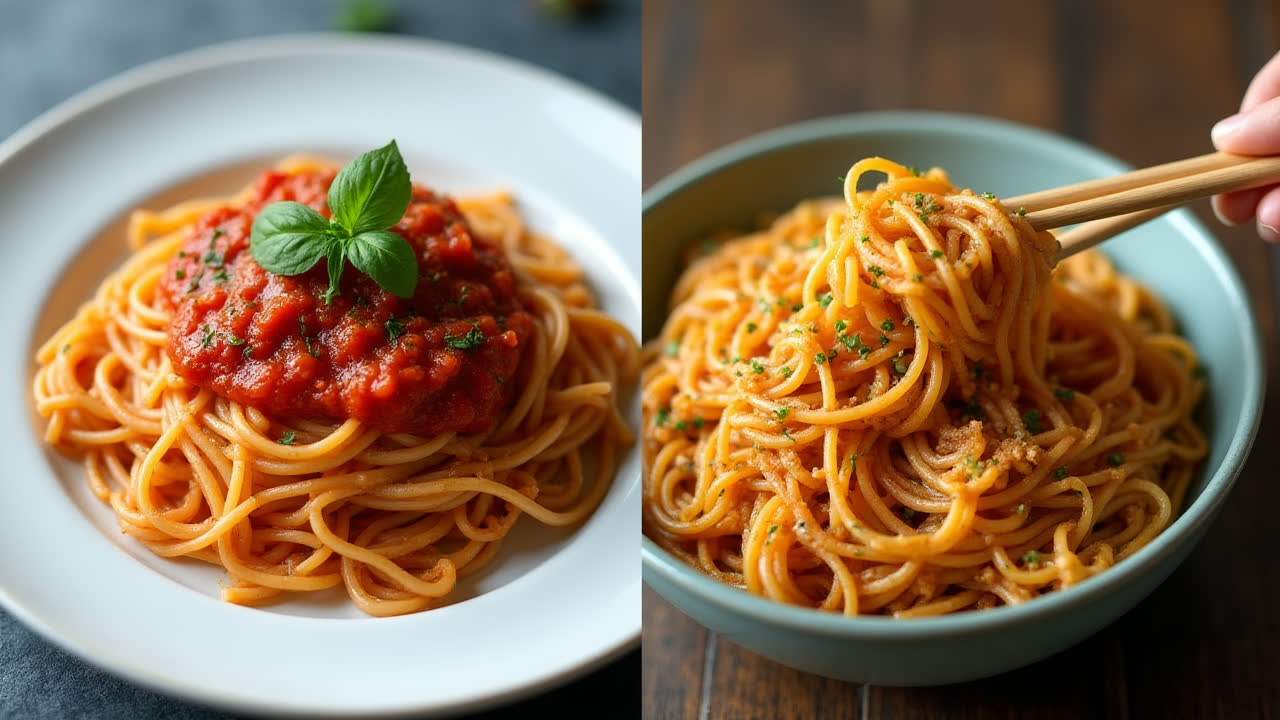
Ever found yourself standing in the grocery aisle, contemplating whether to grab a pack of spaghetti or noodles for dinner? You're not alone. While these two pasta varieties might seem interchangeable at first glance, they actually have distinct characteristics that set them apart. As someone who's spent countless hours experimenting with both in my kitchen, I've learned that choosing between spaghetti and noodles can significantly impact your final dish.
The confusion between these two popular carbohydrates is understandable – they're both long, stringy, and made from similar base ingredients. But dig a little deeper, and you'll discover that spaghetti and noodles have unique culinary traditions, cooking methods, and flavor profiles that make them suitable for different types of recipes. From Italian pasta nights to quick Asian stir-fries, knowing the difference can elevate your cooking game tremendously.
In this comprehensive guide, I'll walk you through everything you need to know about pasta classifications, cultural origins, ingredient variations, and practical cooking applications. Whether you're a culinary enthusiast or simply trying to make more informed food choices, this comparison will help you understand when to use spaghetti versus when noodles would be the better option. Let's untangle this pasta puzzle once and for all!
What Is Spaghetti? Origin and Characteristics
Spaghetti is the quintessential Italian pasta that has become a global staple. The word "spaghetti" itself comes from the Italian word "spago," meaning "string" or "twine" – a perfect description of its distinctive long, thin, cylindrical shape. Whenever I make a traditional spaghetti dish at home, I'm connecting with centuries of Italian culinary heritage.
Traditional Italian spaghetti is made primarily from durum wheat semolina and water, creating a firm texture that Italians prize as "al dente" (firm to the bite). This simple yet perfect combination gives spaghetti its characteristic chew and ability to hold up well against hearty sauces. The dough is typically extruded through special dies that give it its uniform round shape with a diameter between 1.5mm and 2.5mm.
Spaghetti falls between the thinner vermicelli and the thicker spaghettoni in the pasta hierarchy. There are also variations like spaghettini (thinner spaghetti) and bucatini (thick spaghetti with a hole running through the center). What makes spaghetti special is how it's engineered specifically to pair with certain sauces – those tiny ridges and porous surface are purposely designed to help sauce cling to every strand.
In authentic Italian cuisine, spaghetti is rarely overloaded with sauce. Instead, it's often served with simple but flavorful toppings that complement rather than overwhelm the pasta. Classic pairings include tomato-based sauces, olive oil and garlic (aglio e olio), or the famous carbonara made with eggs, cheese, pancetta, and black pepper. I once had an Italian chef tell me that properly cooked spaghetti should be the star of the dish, not just a vehicle for sauce – advice that transformed my approach to pasta cooking.
What Are Noodles? Diversity and Cultural Significance
While spaghetti belongs specifically to Italian cuisine, noodles represent a vast family of food products spanning multiple cultures and cooking traditions. What we commonly call "noodles" encompasses everything from Japanese ramen to Chinese lo mein to Thai rice noodles. This incredible diversity makes noodles one of the world's most versatile food categories.
The base ingredients for noodles vary significantly across cultures. While wheat flour forms the foundation for many varieties, rice, mung beans, sweet potatoes, buckwheat, and even seaweed can serve as the primary ingredient. This diversity in composition gives each type of noodle its unique texture, flavor profile, and cooking properties. For instance, rice noodles have a delicate, slightly chewy texture and a mild flavor that readily absorbs the tastes of the accompanying ingredients.
Unlike the relatively standardized shape of spaghetti, noodles come in countless forms – flat, rounded, thick, thin, straight, wavy, and even transparent. Each shape and size has evolved to complement specific regional dishes and cooking methods. My personal fascination with noodles grew exponentially after traveling through Southeast Asia, where I discovered how the same basic concept could transform into dozens of distinct culinary experiences.
The cooking methods for noodles are equally diverse. While some varieties require boiling similar to pasta, others might be soaked in hot water, stir-fried directly, or even served cold after cooking. Many Asian noodle dishes incorporate the cooking liquid as part of the final presentation, creating soups and broths that would never be part of traditional spaghetti preparation. This fundamental difference in approach creates entirely different eating experiences between noodle dishes and spaghetti meals.
The cultural significance of noodles cannot be overstated, particularly in East and Southeast Asian countries where they symbolize longevity and good fortune. In China, long noodles are traditionally eaten on birthdays to represent a long life. In Japan, different regions pride themselves on local noodle specialties that have been perfected over centuries. This deep cultural embedding gives noodles a significance that goes far beyond mere sustenance.
Key Differences Between Spaghetti and Noodles
| Comparison Aspect | Spaghetti | Noodles |
|---|---|---|
| Origin | Italian cuisine | Various Asian cuisines (primarily) |
| Primary Ingredients | Durum wheat semolina, water | Various: wheat flour, rice, buckwheat, mung bean, eggs, water |
| Shape | Long, thin, cylindrical, uniform | Various shapes: flat, round, thin, thick |
| Texture | Firm, al dente | Varies widely: chewy, soft, springy, slippery |
| Cooking Method | Boiled, then drained | Boiled, soaked, stir-fried, or served in soup |
| Serving Style | Typically with sauce on top | Mixed in soups, stir-fried, cold dishes |
| Gluten Content | High (unless made as gluten-free version) | Varies (rice and bean noodles are naturally gluten-free) |
| Typical Flavor Profiles | Mediterranean: tomato, garlic, olive oil, cheese | Various: soy, sesame, fish sauce, curry, miso |
Beyond these specific differences, there's also a philosophical distinction in how these two staples are approached in their respective culinary traditions. Italian cooking typically regards spaghetti as a distinct course (primo piatto) within a larger meal structure, while many Asian cuisines view noodle dishes as complete one-bowl meals combining protein, vegetables, and starch together.
I've noticed that when cooking at home, spaghetti dishes typically require more deliberate sauce preparation, while many noodle dishes come together quickly in a wok or pot as all elements cook simultaneously. This makes noodles particularly well-suited for weeknight cooking when time is limited – something I've come to appreciate immensely as a busy home cook.
Cooking Applications: When to Use Spaghetti vs. Noodles
The choice between spaghetti and noodles often comes down to the specific dish you're preparing and the flavor profile you're aiming for. For traditional Italian dishes like carbonara, cacio e pepe, or spaghetti al pomodoro, authentic spaghetti is irreplaceable. Its texture and neutral wheat flavor provide the perfect canvas for the rich, focused flavors of Italian sauces. Plus, the uniform shape of spaghetti ensures consistent cooking – a critical factor when aiming for that perfect al dente finish.
Noodles, on the other hand, shine in completely different culinary contexts. For stir-fries, the high heat and quick cooking time demand noodles that can withstand rapid temperature changes without becoming mushy. Similarly, for soups like ramen or pho, specific noodle varieties have been developed over generations to maintain their integrity in hot broth while contributing their own flavor to the liquid. I once made the mistake of substituting spaghetti in a traditional pho recipe – the resulting texture was all wrong, and the wheat flavor clashed with the delicate broth.
Cold noodle dishes represent another area where the specific properties of certain noodle types are essential. Japanese soba or Chinese cold sesame noodles require varieties that maintain their springy texture after chilling – something spaghetti struggles with. Similarly, the absorption properties of rice noodles make them ideal for dishes like pad thai, where they soak up the sauce's flavors in a way that spaghetti simply cannot.
For quick weeknight meals, I find that egg noodles cook faster than spaghetti and work beautifully with simple butter and herb sauces. When I'm cooking for friends with dietary restrictions, I appreciate that there are noodle options made from rice, beans, or sweet potatoes that naturally accommodate gluten-free, egg-free, or grain-free diets without sacrificing texture or flavor.
The choice also affects leftover potential – a consideration for meal planning. Cold leftover spaghetti typically needs to be revitalized with additional sauce when reheated, while many Asian noodle dishes (particularly those served in broth) often taste even better the next day as the flavors continue to develop and meld overnight in the refrigerator.
Nutritional Comparison: Health Considerations
From a nutritional standpoint, the choice between spaghetti and various noodles can significantly impact the overall health profile of your meal. Traditional Italian spaghetti made from durum wheat semolina provides complex carbohydrates, moderate protein, and minimal fat. An average 2-ounce serving of dry spaghetti contains approximately 200 calories, 7 grams of protein, and 42 grams of carbohydrates. Whole wheat versions offer additional fiber, making them a more satiating option with a lower glycemic index.
The nutritional content of noodles varies dramatically depending on the base ingredient. Rice noodles tend to be lower in protein but are naturally gluten-free, making them suitable for those with celiac disease or gluten sensitivity. Buckwheat noodles (soba) offer a nutritional advantage with more fiber and protein than regular wheat noodles, plus beneficial compounds like rutin that support heart health. Egg noodles provide additional protein and fat from the eggs, yielding a more calorie-dense but potentially more satisfying option.
Both spaghetti and noodles can be part of a healthy diet when paired with nutritious accompaniments. The Italian tradition of combining spaghetti with tomato-based sauces adds lycopene and antioxidants to the meal. Similarly, Asian noodle soups often incorporate nutrient-rich broths, lean proteins, and abundant vegetables, creating a balanced one-bowl meal. I've found that focusing on these complementary ingredients often matters more for overall nutrition than the specific type of noodle chosen.
For those monitoring their carbohydrate intake, several alternatives have emerged in recent years. Vegetable-based options like zucchini "zoodles" or spaghetti squash provide a lower-carb base for traditional pasta sauces. Similarly, noodles made from konjac root (shirataki) offer a nearly zero-calorie alternative that works well in Asian-inspired dishes. While these aren't direct replacements in terms of texture and flavor, they can be satisfying alternatives for specific dietary needs.
Popular Global Dishes: Signature Recipes
Around the world, both spaghetti and noodles have inspired iconic dishes that showcase their unique properties. In Italy, classics like spaghetti alla carbonara (with egg, cheese, pancetta, and black pepper) and spaghetti alle vongole (with clams, garlic, and white wine) demonstrate how spaghetti's texture and neutral flavor make it the perfect canvas for both rich and delicate sauces. Meanwhile, American-Italian fusion created the beloved spaghetti and meatballs – a dish you'd rarely find in traditional Italian homes but one that has become a cultural touchstone nonetheless.
On the noodle side, the diversity is even more pronounced. Japanese ramen has evolved from simple sustenance to an art form, with regional variations featuring different broth styles, noodle textures, and toppings. Vietnamese pho celebrates rice noodles in a fragrant, slow-simmered beef broth, while pad thai showcases how flat rice noodles can absorb complex sweet, sour, and savory flavors. Chinese cuisine alone features dozens of celebrated noodle dishes, from hand-pulled lamian to knife-cut dao xiao mian.
Even within cultures, the choice between different noodle types for specific dishes is taken very seriously. In Japan, the thick, chewy udon noodles are preferred for hearty winter soups, while delicate somen noodles are enjoyed cold during hot summer months. This thoughtful matching of noodle type to seasonal and flavor considerations demonstrates the sophisticated culinary thinking that has evolved around these seemingly simple foods.
Some of my most memorable food experiences have centered around these iconic noodle and spaghetti dishes. I'll never forget my first taste of authentic carbonara in Rome – the silky sauce clung perfectly to each strand of spaghetti, creating a harmonious blend that was somehow both rich and delicate. Equally memorable was slurping hand-pulled noodles in a tiny shop in Lanzhou, China, where the chewy texture and irregular shape of the fresh noodles created an entirely different but equally satisfying experience.
Conclusion: Embracing the Diversity of Pasta and Noodles
After exploring the fascinating world of spaghetti and noodles, it's clear that while they share some basic similarities, they represent distinct culinary traditions with their own techniques, flavor profiles, and cultural significance. Rather than seeing one as superior to the other, I've come to appreciate how each excels in its particular context – spaghetti with its perfect match to Italian sauces and noodles with their incredible adaptability across Asian cuisines.
For home cooks, understanding these differences opens up a world of culinary possibilities. By selecting the right type for each dish, you can create more authentic and satisfying meals that honor the traditions from which they come. And isn't that variety what makes cooking so endlessly fascinating? The next time you're deciding between spaghetti and noodles for dinner, I hope this guide helps you make a choice that best suits your recipe and taste preferences.
Whether you're twirling spaghetti around your fork or slurping noodles from a steaming bowl, you're participating in culinary traditions that have brought joy and nourishment to people around the world for centuries. That's something worth celebrating, one delicious bite at a time.
Frequently Asked Questions
Can I substitute spaghetti for noodles in Asian recipes?
While technically possible, substituting spaghetti for Asian noodles often yields suboptimal results. Spaghetti has a different texture, flavor profile, and cooking properties compared to most Asian noodles. The wheat flavor can overwhelm delicate broths, and the texture doesn't absorb sauce the same way. For better substitutions, try using linguine instead of udon or fettuccine instead of rice noodles in a pinch. However, for authentic Asian dishes, it's worth seeking out the specific noodle variety called for in the recipe.
Are noodles healthier than spaghetti?
The health comparison between noodles and spaghetti depends entirely on the specific varieties being compared. Some noodles, like those made from whole grains or vegetables, may offer more fiber and nutrients than regular spaghetti. Conversely, some instant noodles contain palm oil and sodium, making them less healthy than traditional spaghetti. Generally speaking, look for whole grain options in either category, and pay attention to what you're serving with your pasta or noodles – the sauce, protein, and vegetable content often have a greater impact on the overall nutritional value of your meal than the base pasta choice.
Why do some recipes specify not to rinse pasta or noodles after cooking?
Italian pasta like spaghetti should never be rinsed after cooking because the starch left on the surface helps sauce adhere to the pasta – a key feature in dishes like carbonara where the sauce needs to cling to each strand. However, many Asian noodle recipes do call for rinsing after cooking to stop the cooking process, remove excess starch, and prevent sticking, particularly for cold noodle dishes or stir-fries. Always follow the specific instructions for the dish you're preparing – the rinsing step (or lack thereof) is often crucial to achieving the intended texture and sauce integration in the final dish.