Systemic vs Contact Insecticide: Which Works Best for Your Plants?
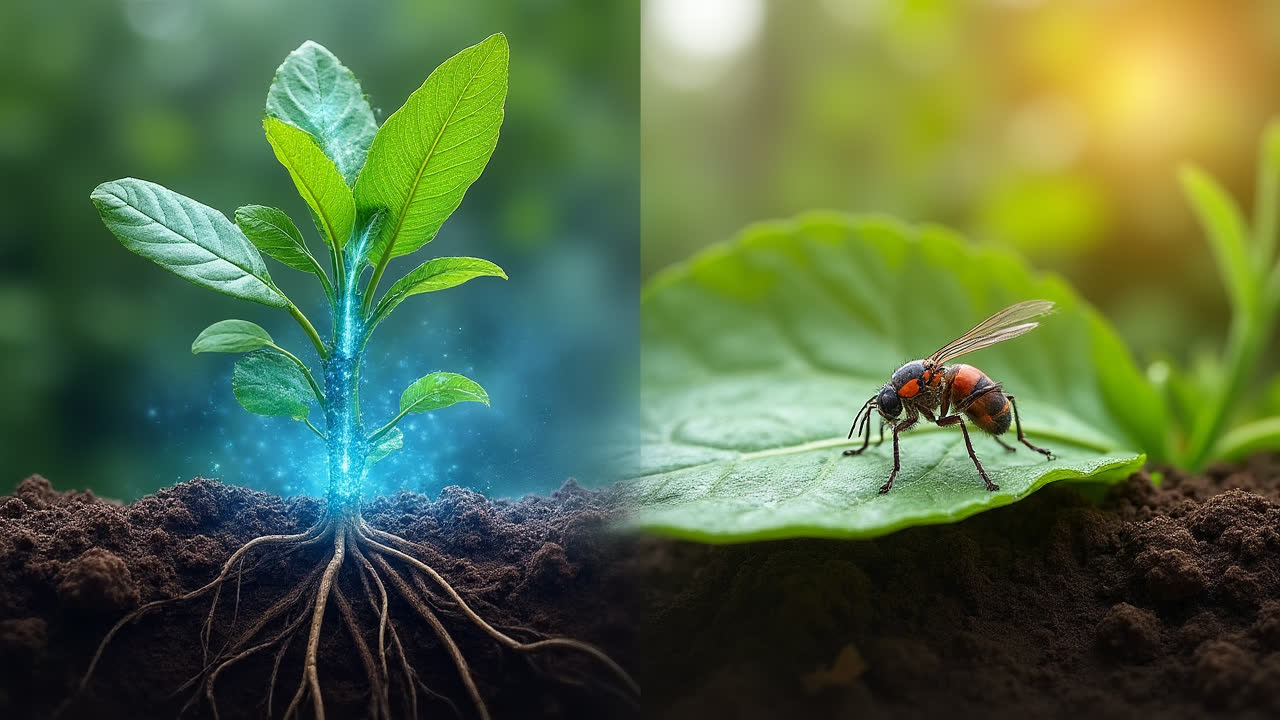
Have you ever sprayed your roses only to find those pesky aphids returning days later? Or wondered why some bug killers work instantly while others take time? The secret lies in understanding the fundamental difference between systemic and contact insecticides. As a gardener who's battled everything from caterpillars to aphid invasions, I've learned that choosing the right insecticide can make or break your garden's health.
Insecticides are essential tools in any gardener's arsenal, but not all bug killers work the same way. Some penetrate the plant's tissue, while others work on direct contact with the pest. This distinction isn't just academic—it dramatically affects how, when, and where you should apply these products for maximum effectiveness while minimizing harm to beneficial insects.
In this comprehensive guide, I'll walk you through everything you need to know about these two major types of insecticides. You'll discover how they work, their applications, advantages, disadvantages, and how to choose the right one for your specific pest problems. After reading, you'll be equipped to make informed decisions that protect your plants while respecting the garden's ecosystem.
What Are Systemic Insecticides?
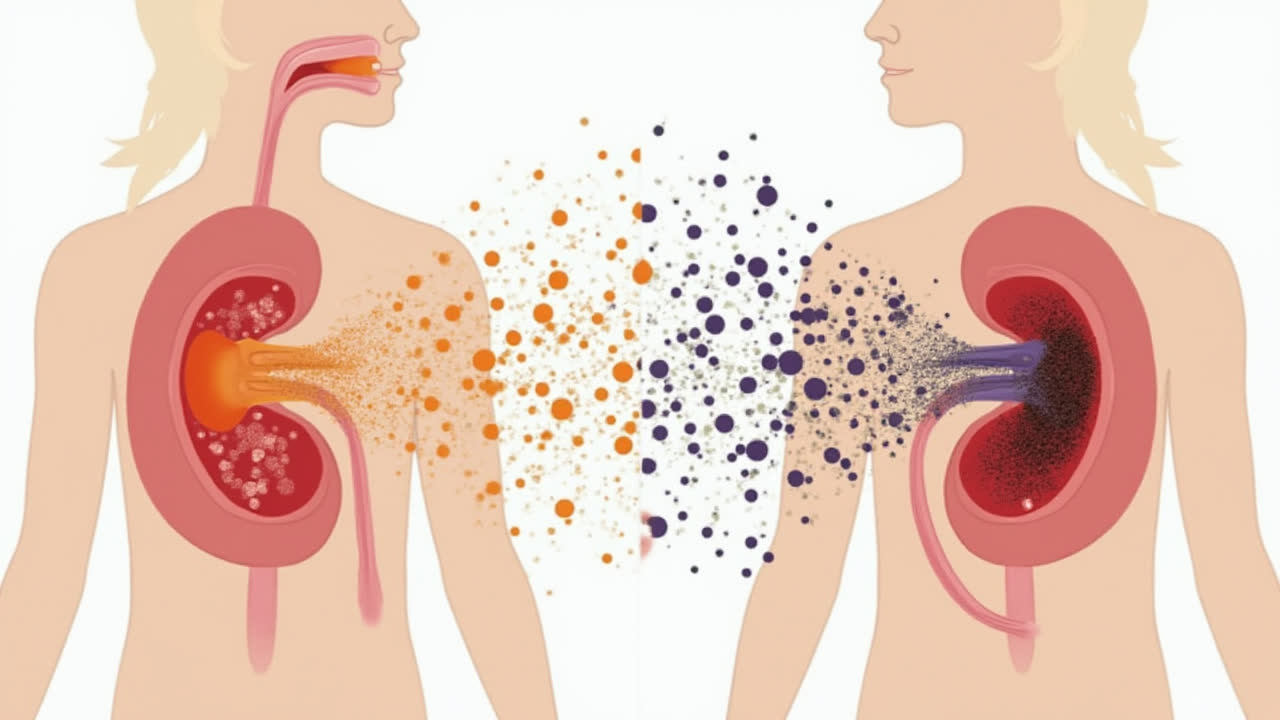
Systemic insecticides represent a fascinating approach to pest control that works from the inside out. These powerful formulations are absorbed by the plant and distributed throughout its tissues—including the leaves, stems, flowers, and even roots. The entire plant essentially becomes toxic to insects that feed on it. Think of it as giving your plant an internal immune system against pests.
When you apply a systemic insecticide, whether as a soil drench, seed treatment, or foliar spray, the active compounds enter the plant's vascular system. The plant then transports these chemicals through its phloem and xylem (the plant's circulatory system), distributing the insecticide to all parts. This creates a protective barrier within the plant itself that can last for weeks or even months, depending on the specific product.
The beauty of systemic insecticides lies in their targeted approach. They primarily affect insects that feed on the plant, such as sap-sucking aphids, leaf-munching caterpillars, or root-destroying nematodes. When these pests consume any part of the treated plant, they ingest the insecticide along with it, leading to their demise. I've personally seen impressive results using systemic treatments on my rose bushes that were once plagued by persistent aphid colonies.
Modern agricultural practices have taken systemics to the next level with transgenic plants that produce their own insecticidal proteins. These plants contain what scientists call "plant-incorporated protectants," allowing them to defend themselves against specific pests without additional chemical applications. It's like giving plants their own built-in pest control mechanism!
However, this approach isn't without drawbacks. Because systemics distribute throughout the entire plant, they can affect non-target insects too. That beautiful butterfly landing on your treated hibiscus or the beneficial ladybug eating aphids might also be exposed to the chemicals. This lack of discrimination between harmful and beneficial insects represents one of the main concerns with systemic insecticides, especially for environmentally-conscious gardeners.
How Contact Insecticides Work
Unlike their systemic counterparts, contact insecticides operate on a much more straightforward principle—they kill insects on direct contact, as their name suggests. These products work externally rather than being absorbed into plant tissues. When a contact insecticide is sprayed onto a plant surface or directly onto insects, it penetrates the pest's exoskeleton or outer covering, disrupting vital functions and typically causing rapid death.
The immediate action of contact insecticides makes them particularly valuable for quick knockdown of visible pest infestations. I remember the satisfaction of watching a colony of aphids on my vegetable garden being eliminated within hours of applying a pyrethrin-based contact spray. This rapid response can be crucial when dealing with severe infestations that threaten to overwhelm plants quickly.
Contact insecticides come in various forms and formulations, ranging from natural to synthetic options. Natural contact insecticides include substances like pyrethrum (extracted from chrysanthemum flowers), nicotine (though less commonly used now due to toxicity concerns), and plant-based oils like neem. On the synthetic side, numerous chemical compounds have been developed specifically for contact action against pests.
One significant advantage of contact insecticides is their relatively short residual activity. Most break down quickly after application, especially when exposed to sunlight and rain. This rapid degradation means they generally have less long-term environmental impact than some persistent systemic products. For gardeners concerned about minimizing chemical presence in their garden, this can be an important consideration.
However, this quick breakdown is also a limitation. Contact insecticides only affect the pests present at the time of application—they provide no protection against new invaders arriving later. This often necessitates repeated applications to maintain control, which can be time-consuming and potentially more expensive in the long run. Additionally, for contact insecticides to be effective, they must directly hit the target pest, which can be challenging when dealing with insects hiding on leaf undersides or in dense foliage.
Key Differences: Systemic vs Contact Insecticides
| Characteristic | Systemic Insecticides | Contact Insecticides |
|---|---|---|
| Mode of Action | Absorbed and transported through plant tissues | Works on direct physical contact with insects |
| Application Method | Soil drenches, seed treatments, foliar sprays | Direct sprays, dusts, aerosols |
| Duration of Protection | Long-lasting (weeks to months) | Short-term (days to weeks) |
| Target Insects | Primarily feeding insects (aphids, caterpillars, borers) | Any exposed insects on plant surfaces |
| Rainfast Properties | Highly rainfast once absorbed | Often washed away by rain or irrigation |
| Effect on New Growth | Often protects new growth as plant develops | No protection for new growth after application |
| Impact on Beneficials | Potentially affects pollinators and beneficial insects | Only affects insects directly contacted |
| Speed of Action | Slower, gradual effect | Typically rapid knockdown |
When to Choose Systemic Insecticides
Selecting the right insecticide for your specific situation can significantly impact your pest management success. Systemic insecticides shine in several scenarios that leverage their unique properties. These products are particularly valuable for dealing with persistent infestations that keep returning despite surface treatments. When those aphids or scale insects seem impossible to eradicate, a systemic approach might be your best solution.
Consider systemic insecticides when dealing with plants that are difficult to spray thoroughly. Tall trees, densely foliated shrubs, or plants with complex structures often have surfaces that sprays simply can't reach effectively. I once tried treating a large magnolia with contact sprays for scale insects, only to find the infestation persisting in unreachable areas. Switching to a systemic soil drench solved the problem by delivering the insecticide through the tree's vascular system to every leaf and branch.
Systemics also excel at controlling concealed feeders—those pests that burrow into plant tissues where contact insecticides can't reach them. Borers that tunnel into stems, leaf miners that feed between leaf surfaces, and root-feeding insects are all effectively controlled by systemic products. For these hidden pests, systemics may be the only practical chemical control option available.
Weather conditions can also influence your choice. In areas with frequent rainfall or where regular irrigation is necessary, systemic insecticides maintain their effectiveness much longer than contact products that wash off easily. Once absorbed by the plant, systemic ingredients remain active regardless of external moisture, providing consistent protection even through rainy periods.
For valuable ornamentals or landscape specimens where consistent, long-term protection is desired, systemic insecticides often prove more cost-effective despite their typically higher initial price. The extended protection period means fewer applications are needed throughout the growing season, saving both time and money in the long run.
However, it's crucial to recognize that systemic insecticides should be used judiciously, especially in flowering plants visited by pollinators. Many systemic products can move into nectar and pollen, potentially exposing beneficial insects to the chemicals. Always weigh these ecological considerations against the need for pest control when making your decision.
Ideal Applications for Contact Insecticides
Contact insecticides have their own set of strengths that make them the optimal choice in many gardening situations. These fast-acting formulations excel when you need immediate results to address visible pest problems. If you've ever discovered a plant suddenly covered in aphids or caterpillars actively defoliating your vegetables, you'll appreciate the quick knockdown that contact insecticides provide.
These products are particularly valuable when treating edible crops close to harvest time. Many contact insecticides break down quickly and have short pre-harvest intervals (the waiting period between application and safe harvesting), allowing you to address late-season pest issues without delaying your harvest. I've successfully used organic contact sprays on my tomato plants just days before picking, controlling hornworms that appeared suddenly without worrying about chemical residues in the fruit.
Contact insecticides also play an important role in integrated pest management programs where preserving beneficial insects is a priority. Because they only affect the insects they directly touch, careful application allows you to target pest hotspots while minimizing impact on beneficial predators elsewhere on the plant. This selective approach helps maintain the natural balance of your garden ecosystem.
For gardeners concerned about environmental impact, many natural and organic insecticides work through contact action. Options like insecticidal soaps, horticultural oils, diatomaceous earth, and botanical extracts provide effective pest control while breaking down rapidly in the environment. These products often fit well with organic gardening philosophies and practices.
Contact insecticides are also ideal for spot treatments of localized infestations. Rather than treating an entire plant or garden area, you can focus your application precisely where pests are present. This targeted approach reduces unnecessary chemical use and minimizes exposure of non-target organisms to the insecticide.
Finally, contact products often serve as excellent "rescue treatments" when immediate action is needed to save a severely infested plant. While they may not provide long-term protection, their rapid action can quickly reduce pest populations below damaging levels, giving plants a chance to recover while you develop a more comprehensive management strategy.
Environmental Considerations and Safety Precautions
When using any insecticide—whether systemic or contact—understanding the potential environmental impacts and necessary safety measures is essential. Both types can affect non-target organisms, though in different ways. Systemic insecticides, by their nature, may impact a broader range of insects since they can be present in pollen, nectar, and plant tissues. This raises concerns about effects on pollinators, particularly bees and butterflies, which are vital to our ecosystem and food production.
Contact insecticides generally have more limited non-target effects since they must directly touch an insect to be lethal. However, they can still harm beneficial insects if sprayed indiscriminately. I've learned through experience to apply contact sprays in the early morning or evening when pollinators are less active, and to target only heavily infested areas rather than blanket-spraying entire gardens.
Water quality protection represents another important environmental consideration. Some insecticides, particularly certain synthetic chemicals, can contaminate groundwater or surface water through runoff or leaching. This risk varies based on the specific product, soil type, rainfall patterns, and application methods. Always follow label directions regarding buffer zones near water bodies and avoid applications before heavy rain is expected.
Personal safety must never be overlooked when working with insecticides. Always wear appropriate protective equipment as specified on the product label—this typically includes gloves, long sleeves, eye protection, and sometimes respiratory protection. Keep children and pets away from treated areas until products have dried completely or for the duration specified on the label. And always store insecticides in their original containers, out of reach of children and pets.
The concept of integrated pest management (IPM) offers a framework for using insecticides responsibly. IPM emphasizes multiple control strategies, including cultural practices, biological controls, and chemical options as a last resort. By monitoring pest populations, establishing damage thresholds, and using the least toxic effective method, you can minimize insecticide use while still protecting your plants effectively.
Making the Right Choice for Your Garden
Deciding between systemic and contact insecticides ultimately depends on your specific situation, gardening goals, and personal values. Consider the nature of your pest problem first. Is it a persistent, recurring issue or a sudden outbreak? Are the pests hidden within plant tissues or visible on surfaces? For chronic infestations or concealed pests, systemics often provide better long-term control, while contact products excel at managing visible outbreaks quickly.
The type of plants you're treating also influences your decision. For flowering plants that attract pollinators, consider alternatives to systemic insecticides or apply them after flowering periods. For edible crops, pay close attention to pre-harvest intervals—contact insecticides often allow for shorter waiting periods before harvest, though some systemic products are also labeled for food crops with appropriate restrictions.
Your available time and equipment impact your choice as well. Contact insecticides generally require more frequent applications and thorough coverage, demanding more time and often specialized spraying equipment for effective application. Systemic products, while typically requiring fewer applications, may need specific application methods like soil drenches or trunk injections depending on the product.
Many gardeners find that a combined approach works best. I often use contact insecticides for immediate knockdown of severe infestations, followed by systemic products for longer-term protection when necessary. This integrated strategy leverages the strengths of both types while minimizing their limitations.
Remember that insecticides—whether systemic or contact—should be just one component of a comprehensive pest management strategy. Cultural practices like proper plant selection, optimal growing conditions, and regular monitoring form the foundation of plant health. Mechanical controls like hand-picking, barriers, or water sprays, and biological options like beneficial insects often provide effective pest suppression with minimal environmental impact.
Conclusion
The distinction between systemic and contact insecticides represents more than just a technical difference—it fundamentally shapes how we approach pest management in our gardens and landscapes. By understanding how these two types of insecticides work, their appropriate applications, advantages, and limitations, you can make informed choices that effectively protect your plants while minimizing potential negative impacts.
Systemic insecticides offer powerful, long-lasting protection that reaches throughout plant tissues, making them ideal for persistent pests, hard-to-spray plants, and concealed feeders. Contact insecticides provide rapid knockdown, targeted control, and often fit well with organic gardening approaches and late-season applications on edible crops.
As with many aspects of gardening, there's rarely a one-size-fits-all solution. The most successful approach often involves thoughtfully selecting the right tool for each specific situation, while maintaining a broad perspective on overall garden health and ecosystem function. By weighing factors like pest type, plant characteristics, environmental conditions, and your own gardening philosophy, you can develop a pest management strategy that effectively protects your plants while aligning with your values and priorities.
Frequently Asked Questions
Can systemic insecticides harm beneficial insects like bees and butterflies?
Yes, systemic insecticides can potentially harm beneficial insects, including pollinators like bees and butterflies. Since these chemicals are transported throughout the plant's tissues, they can appear in nectar and pollen that beneficial insects collect or consume. This creates exposure risk, particularly for neonicotinoid-class systemic insecticides that have been associated with bee population declines. To minimize harm, avoid applying systemic insecticides to plants during their flowering period, choose products with lower toxicity to pollinators when available, and consider non-chemical alternatives for pest management in pollinator-attractive plants. Always read and follow label directions regarding pollinator protection.
How long do systemic insecticides remain active in plants?
The duration of systemic insecticide activity varies significantly depending on the specific active ingredient, application method, plant species, and growing conditions. Generally, most systemic insecticides provide protection for 2-8 weeks after application, though some products may remain active for several months or even an entire growing season. Factors that influence longevity include the plant's growth rate (faster growth can dilute the chemical concentration), environmental conditions (higher temperatures and moisture often accelerate breakdown), and the specific insecticide's chemical properties. Soil-applied systemics typically provide longer protection than foliar-applied products. Always refer to the product label for specific information about duration of protection and timing for repeat applications if needed.
Are organic insecticides always safer than synthetic options?
Organic insecticides are not automatically safer than synthetic options - the "natural" origin doesn't guarantee safety. Some plant-derived insecticides like rotenone can be highly toxic to fish and some mammals. The safety profile depends on specific properties of each product, regardless of origin. Factors to consider include toxicity to non-target organisms, persistence in the environment, potential for groundwater contamination, and human health risks. Many newer synthetic insecticides are designed with improved safety profiles, while some organic options require more frequent application, potentially increasing exposure risks. The most important safety factor is proper use - following label directions, using appropriate protective equipment, and applying any insecticide only when necessary as part of an integrated pest management approach.