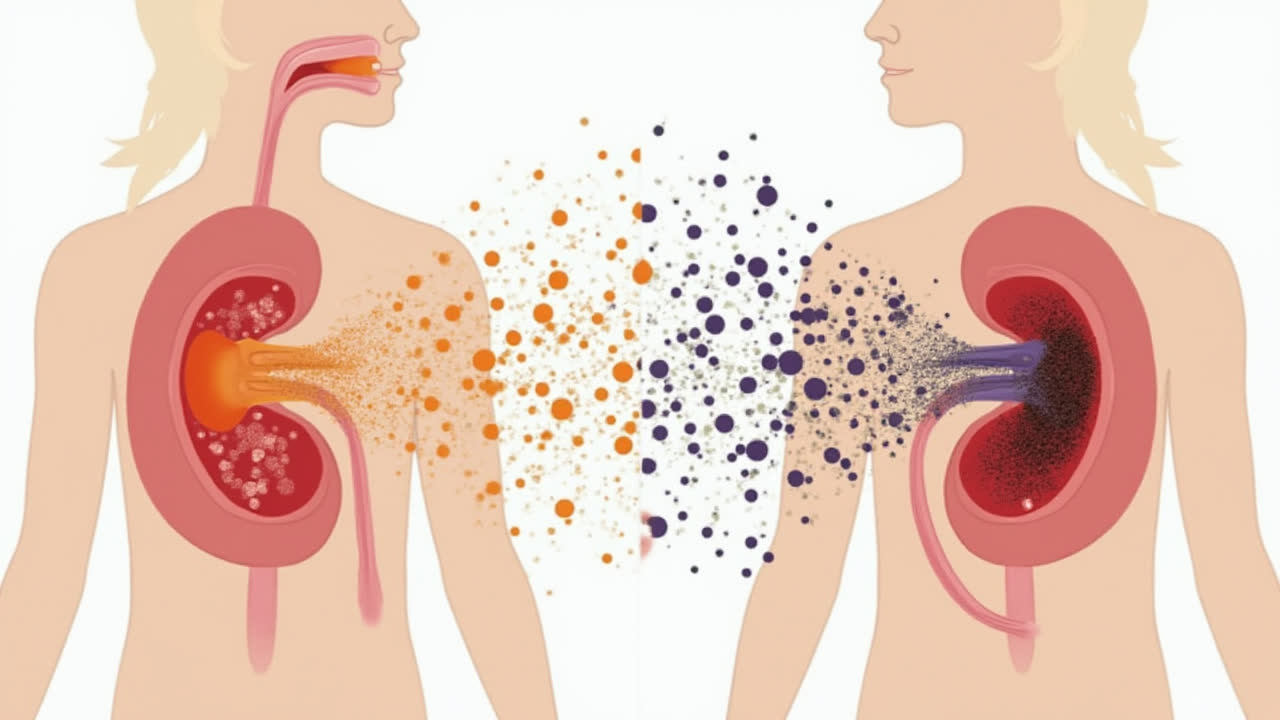
Thyroglobulin vs Antithyroglobulin: Understanding Key Differences

When it comes to thyroid health, understanding the difference between thyroglobulin and antithyroglobulin is crucial for patients and healthcare providers alike. Let me break down these complex concepts in simple terms, as I've found many people get confused about these two seemingly similar proteins that play vastly different roles in our body.
Honestly, when I first started learning about thyroid function, I couldn't wrap my head around why we needed antibodies against our own proteins! It turns out this is more common than you'd think, and it's often what leads to various thyroid disorders that millions of people struggle with daily.
What Exactly is Thyroglobulin?
Thyroglobulin is a fascinating protein that essentially acts as a factory for thyroid hormones. You know how in manufacturing, you need raw materials to create finished products? Well, thyroglobulin is like the assembly line where your thyroid hormones are made. The follicular cells in your thyroid gland produce this large protein, and it's actually made up of about 2,768 amino acids per subunit!
Here's something interesting I learned recently: almost half of all the proteins in your thyroid gland are actually thyroglobulin. That's a massive percentage when you think about it. This protein contains around 100-120 tyrosine residues, which are crucial because they're the building blocks that combine with iodine to form thyroid hormones. Each thyroglobulin molecule can produce roughly 10 thyroid hormone molecules - now that's efficiency!
The way thyroglobulin works is pretty clever. It stores inactive thyroid hormones along with iodine in the follicular lumen, kind of like keeping ingredients in a pantry until you're ready to cook. When your body needs thyroid hormones, the thyroid-stimulating hormone (TSH) tells the thyroid to grab this stored colloid and process it, releasing the active T3 and T4 hormones.
Understanding Antithyroglobulin Antibodies
Now, antithyroglobulin is where things get a bit tricky. These are antibodies that your immune system creates to attack thyroglobulin. I know what you're thinking - why would our body attack its own proteins? Sometimes, our immune system gets confused and thinks thyroglobulin is a foreign invader when it's actually something we need!
Here's what makes this really interesting: while antithyroglobulin antibodies can damage your thyroid gland and mess with its function, testing for these antibodies is actually super helpful for doctors. It's like finding clues at a crime scene - the presence of these antibodies can indicate various thyroid conditions. I've seen countless patients get proper diagnoses because their doctor checked for these antibodies during a routine blood test.
You'll often find elevated antithyroglobulin antibodies in conditions like Hashimoto's thyroiditis (that's the autoimmune version of hypothyroidism), Graves' disease, and even in some non-thyroid conditions like lupus or rheumatoid arthritis. The body's immune system is incredibly complex, and these antibodies can pop up in various situations.
Key Differences: Function and Location
Let me explain the main differences between these two proteins in a way that's easy to remember. Thyroglobulin is like a dedicated worker stationed inside your thyroid factory, busily producing hormones for your body's use. It's entirely produced and used within the thyroid gland - it doesn't venture out into your bloodstream like its troublesome counterpart.
On the flip side, antithyroglobulin antibodies are like security guards gone rogue - they patrol your bloodstream looking for thyroglobulin to attack. While thyroglobulin serves an essential role in hormone production, these antibodies can actually interfere with thyroid function and potentially lead to various health issues. It's ironic, isn't it?
The contrast is striking: one is absolutely vital for producing the hormones that regulate your metabolism, body temperature, energy levels, and countless other functions. The other can potentially disrupt this delicate system and lead to hypothyroidism, thyroid cancer, or other autoimmune conditions. Understanding this difference is crucial for anyone dealing with thyroid issues or trying to interpret their lab results.
Diagnostic Applications and Test Interpretations
When you go for thyroid function tests, doctors often check for both thyroglobulin levels and antithyroglobulin antibodies. I remember being baffled by my first thyroid panel - there were so many different measurements! But essentially, they're looking at two different things: how well your thyroid is producing hormones (thyroglobulin), and whether your immune system is attacking your thyroid (antithyroglobulin antibodies).
Normal test results for antithyroglobulin antibodies should be negative - meaning these antibodies shouldn't be present in your bloodstream. When they are positive, it's often a red flag for autoimmune thyroid diseases. Meanwhile, thyroglobulin levels are usually measured in specific situations, like monitoring for thyroid cancer recurrence after treatment.
What's fascinating is how these tests work together. Sometimes, the presence of antithyroglobulin antibodies can actually interfere with thyroglobulin measurements, making the results tricky to interpret. This is why experienced endocrinologists will often order multiple tests and look at the whole picture rather than just individual results.
Clinical Implications and Patient Experiences
Having worked with many thyroid patients, I've noticed some patterns worth sharing. People with elevated antithyroglobulin antibodies often experience symptoms like fatigue, weight changes, mood swings, and hair loss - classic signs of thyroid dysfunction. But here's the kicker: some folks have these antibodies for years without any obvious symptoms. The body is truly mysterious!
For patients undergoing thyroid cancer treatment, thyroglobulin becomes a crucial marker. After thyroid removal or ablation, thyroglobulin levels should drop dramatically. If they don't, or if they start rising again, it might indicate cancer recurrence. This is why many thyroid cancer survivors get regular thyroglobulin tests - it's their early warning system.
What many people don't realize is that lifestyle factors can influence both proteins. Things like stress reduction, proper nutrition (especially getting enough iodine but not too much!), and managing other autoimmune conditions can help some people reduce their antithyroglobulin antibody levels over time. It's not always a permanent sentence.
Treatment and Management Perspectives
The good news is that both thyroid-related issues involving these proteins are manageable. For those with autoimmune thyroid disease (where antithyroglobulin antibodies are present), treatment often involves hormone replacement therapy, lifestyle modifications, and regular monitoring. Some patients find success with dietary changes, particularly eliminating gluten or dairy, though the scientific evidence varies.
I've seen patients dramatically improve their quality of life by working closely with their endocrinologist and following a comprehensive treatment plan. The key is understanding that thyroid health is often a journey, not a destination. Regular check-ups, staying informed about your condition, and being an active participant in your healthcare make all the difference.
Remember, while thyroglobulin itself rarely requires direct treatment (unless there's a production issue), managing the conditions that affect antithyroglobulin antibody levels is crucial for overall thyroid health. It's all about finding the right balance and understanding what your specific body needs.
Comparison Table: Thyroglobulin vs Antithyroglobulin
| Characteristic | Thyroglobulin | Antithyroglobulin Antibodies |
|---|---|---|
| Type of Protein | Dimeric glycoprotein | Antibody protein |
| Source | Follicular cells of thyroid gland | Immune system B cells |
| Location | Inside thyroid follicles | Bloodstream |
| Function | Precursor for thyroid hormone production | May attack and damage thyroid tissue |
| Clinical Significance | Monitored in thyroid cancer | Marker for autoimmune thyroid disease |
| Normal Presence | Present in healthy thyroid glands | Typically absent in healthy individuals |
| Related Conditions | Thyroid cancer monitoring | Hashimoto's thyroiditis, Graves' disease |
| Role in Hormone Production | Essential for T3 and T4 synthesis | Can interfere with hormone production |
Frequently Asked Questions
What happens if I have high antithyroglobulin antibodies?
High antithyroglobulin antibodies often indicate an autoimmune thyroid condition like Hashimoto's thyroiditis. While not everyone with these antibodies develops symptoms, they increase your risk of thyroid dysfunction. Your doctor may recommend regular monitoring of thyroid function tests and possibly hormone replacement therapy if thyroid function declines.
Can thyroglobulin levels help detect thyroid cancer recurrence?
Yes, thyroglobulin is an excellent tumor marker for thyroid cancer. After thyroid removal or ablation, thyroglobulin levels should be nearly undetectable. Rising levels may indicate cancer recurrence. However, the presence of antithyroglobulin antibodies can interfere with these measurements, making interpretation more complex.
Is it possible to lower antithyroglobulin antibodies naturally?
While there's no guaranteed way to eliminate antithyroglobulin antibodies, some people report improvements through lifestyle changes. These may include reducing stress, following an anti-inflammatory diet, getting adequate selenium and vitamin D, and eliminating potential food triggers like gluten. However, results vary, and any changes should be discussed with your healthcare provider.
Final Thoughts
Understanding the relationship between thyroglobulin and antithyroglobulin antibodies is really about understanding how your body's natural processes can sometimes go awry. While thyroglobulin is your body's hardworking ally in hormone production, antithyroglobulin antibodies represent a misguided immune response that needs careful management.
Remember, having antithyroglobulin antibodies doesn't automatically mean you'll develop serious thyroid problems - it just means you should stay vigilant about monitoring your thyroid health. Regular check-ups, maintaining a healthy lifestyle, and working closely with your healthcare provider are your best tools for managing thyroid health.
Whether you're dealing with thyroid issues yourself or supporting someone who is, knowledge is power. Understanding these proteins and their roles in thyroid function can help you make informed decisions about your health and have more productive conversations with your healthcare team. Stay curious, stay informed, and take charge of your thyroid health!