Vernier Caliper vs Micrometer: Complete Comparison Guide
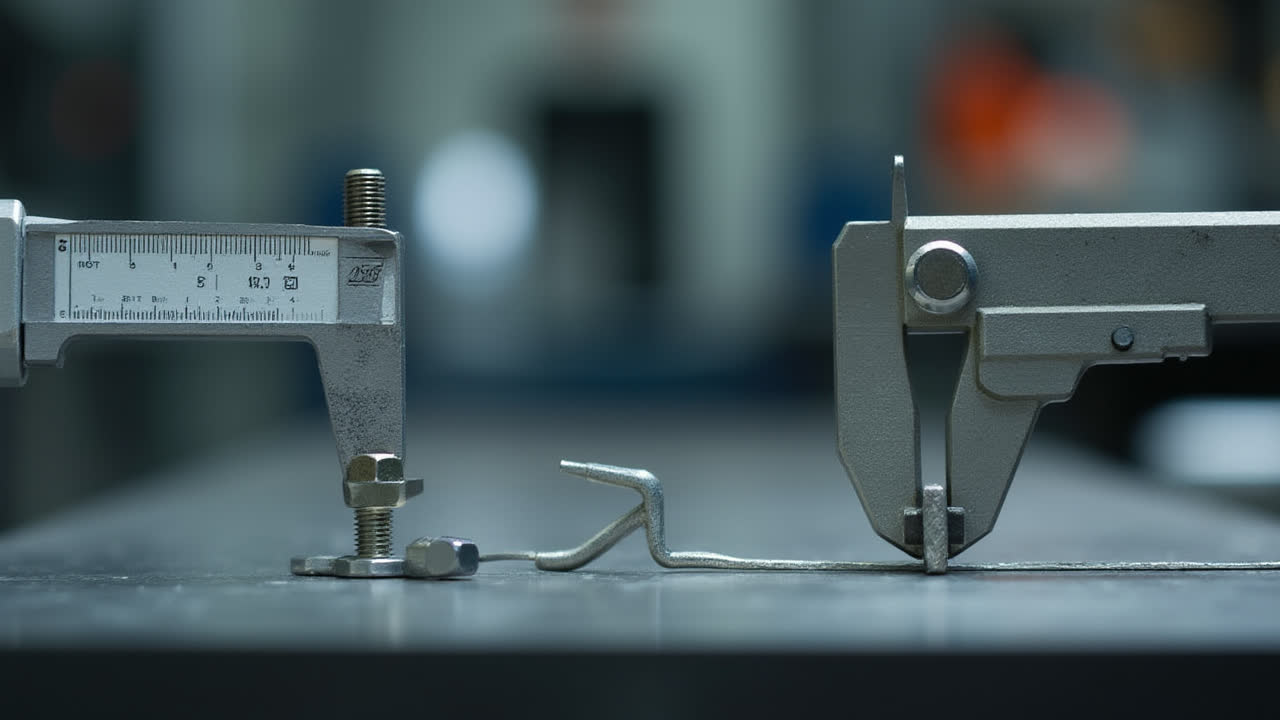
When it comes to precision measurement tools, vernier calipers and micrometers stand out as essential instruments for engineers, machinists, and DIY enthusiasts alike. If you've ever wondered which tool would best suit your specific measurement needs, you're not alone! I've spent years working with both instruments, and I'm here to break down everything you need to know about these precision devices.
Whether you're measuring the diameter of a bearing, checking the thickness of a sheet metal, or verifying the dimensions of a machined part, choosing between a vernier caliper and a micrometer can significantly impact your workflow efficiency and measurement accuracy. The right tool can make all the difference between a perfect fit and a frustrating mismatch in your projects.
In this comprehensive guide, we'll explore the fundamental differences between these two precision instruments, analyze their working principles, accuracy levels, and practical applications. Let's dive in and demystify these essential measuring tools!
What Is a Vernier Caliper?
A vernier caliper is a versatile measuring instrument that consists of a main scale and a sliding vernier scale that provides precise measurements. The name "vernier" comes from its inventor, Pierre Vernier, who developed this ingenious measuring system in the 17th century. Today, it remains one of the most commonly used precision measuring tools across various industries.
The typical vernier caliper features several key components that make it incredibly versatile: outside jaws for measuring external dimensions, inside jaws for internal measurements, a depth probe for measuring depths, and of course, the main scale along with the sliding vernier scale that allows for high-precision readings. Traditional analog vernier calipers can measure with a precision of 0.1mm or 0.05mm, while their digital counterparts can achieve even greater accuracy of up to 0.01mm.
What makes vernier calipers particularly useful is their measurement versatility. With just one tool, you can measure external diameters, internal diameters, depths, and even step measurements. This multifunctionality is why you'll find a vernier caliper in virtually every workshop, from automotive repair shops to precision manufacturing facilities. I remember when I first started in my workshop, my vernier caliper quickly became my most-reached-for tool – it simply handled so many measurement situations efficiently.
The working principle of a vernier caliper is fascinating in its simplicity yet effectiveness. It uses two sliding scales with different spacings between the markings on each scale. When you place an object between the jaws and slide the vernier scale, you can determine the measurement by identifying which mark on the vernier scale perfectly aligns with a mark on the main scale. This clever design allows for readings that are more precise than what the main scale alone could provide.
What Is a Micrometer?
A micrometer, also known as a micrometer screw gauge, is a precision measuring instrument that operates on a different principle than the vernier caliper. It uses a calibrated screw mechanism to amplify small distances into larger, more easily measurable rotations. The term "micrometer" itself hints at its capability to measure in the micrometer range (1 μm = 0.001 mm), emphasizing its high precision.
The standard micrometer consists of a C-shaped frame with a fixed anvil on one end and an adjustable spindle on the other. Between these points, you place the object to be measured. By rotating the thimble (which is connected to the spindle via a precision screw thread), you bring the spindle in contact with the object. The distance between the anvil and spindle is then read from the scales on the sleeve and thimble.
What truly sets the micrometer apart is its incredible precision. A typical micrometer can measure with an accuracy of 0.01mm, making it suitable for applications where even the slightest measurement variations matter. I once worked on a project where we needed to match bearing surfaces with a tolerance of just 0.02mm – in such scenarios, a micrometer isn't just helpful; it's absolutely essential for success.
Unlike the versatile vernier caliper, standard micrometers are typically designed for specific types of measurements. The most common type is the outside micrometer, used for measuring external dimensions like the diameter of a shaft. For measuring internal diameters, you'd need an inside micrometer, and for measuring depths, a depth micrometer. This specialization is both a strength and limitation – micrometers excel at their specific measurement type but require you to own multiple instruments for different measurement needs.
Vernier Caliper vs Micrometer: Detailed Comparison
| Feature | Vernier Caliper | Micrometer |
|---|---|---|
| Working Principle | Uses sliding vernier scale to measure small movements of jaws | Uses a precision screw to amplify small movements to larger, readable rotations |
| Typical Accuracy | 0.1mm or 0.05mm (analog), 0.01mm (digital) | 0.01mm (standard) |
| Measurement Range | Typically 0-150mm, 0-200mm, or larger | Limited to 25mm per instrument (typically 0-25mm, 25-50mm, etc.) |
| Versatility | Can measure external dimensions, internal dimensions, depths, and steps with a single tool | Specialized for specific measurement types (requires different micrometers for outside, inside, and depth measurements) |
| Reading Complexity | Moderate (requires aligning marks between two scales) | Moderate to high (requires reading barrel and thimble scales) |
| Price Range | $20-$150+ depending on quality and features | $30-$300+ per instrument (higher overall cost if multiple micrometers needed) |
| Ideal Applications | General workshop use, projects requiring various measurement types, moderate precision needs | High-precision machining, quality control, calibration work, precision manufacturing |
| Learning Curve | Moderate - requires practice to read accurately | Steep - requires careful technique and understanding of reading method |
How to Choose Between Vernier Caliper and Micrometer
Selecting the right measurement tool often comes down to understanding your specific needs. Having used both instruments extensively, I can tell you that the choice isn't always straightforward – sometimes you need both! But let's break down some key considerations to help you decide.
First, consider the precision requirements of your task. If you're working on projects where measurements within 0.05mm are acceptable, a vernier caliper will likely serve you well. However, if you're dealing with high-precision machining or quality control where even a hundredth of a millimeter matters, a micrometer would be the better choice. I once worked on a watch repair project where the thickness of components needed to be within 0.01mm tolerance – that's definitely micrometer territory!
Next, think about measurement versatility. Are you frequently switching between measuring external diameters, internal dimensions, and depths? A vernier caliper excels here, offering 3-in-1 functionality that can streamline your workflow. On the other hand, if you consistently measure the same type of dimension (such as the external diameter of precision-machined parts), a dedicated micrometer might be worth the investment for its superior accuracy.
Budget is another important factor. A quality vernier caliper provides excellent value as a multi-purpose tool, especially for beginners or those with occasional measurement needs. Micrometers, while more precise, require a higher investment, particularly if you need different types (outside, inside, depth) to cover various measurement scenarios. I've noticed that many workshops start with a good digital caliper and then gradually add specialized micrometers as specific precision needs arise.
Finally, consider the learning curve associated with each tool. Vernier calipers are generally more intuitive and faster to use, making them suitable for environments where efficiency matters. Micrometers require more careful technique and practice to master but reward you with unparalleled precision. When I'm teaching new apprentices, I always start them with vernier calipers before introducing micrometers – it builds confidence and measurement fundamentals before tackling the more demanding instrument.
Practical Tips for Using Vernier Calipers and Micrometers
Regardless of which precision measuring tool you choose, proper technique is crucial for accurate results. Here are some practical tips I've gathered from years of experience that will help you get the most from your instruments:
Vernier Caliper Usage Tips
- Always check for zero error before taking measurements. Close the jaws completely and verify that the reading is exactly zero. If not, note the error and adjust your measurements accordingly.
- Apply consistent, gentle pressure when measuring. Excessive force can compress the material or flex the caliper, leading to inaccurate readings.
- Keep the measuring faces clean and free from debris. Even small particles can significantly impact your measurements.
- For internal measurements, ensure the inside jaws are fully inserted to the maximum diameter point before taking a reading.
- When measuring depths, position the base firmly against the reference surface and extend the depth rod to touch the bottom of the feature.
Micrometer Usage Tips
- Use the ratchet or friction thimble when closing the micrometer on an object – never force the thimble to close, as this can damage both the instrument and the object.
- Develop a feel for consistent measuring pressure. The ratchet mechanism helps apply the same pressure each time.
- Check for zero error regularly, especially when working in changing temperature environments.
- Handle with care – dropping a micrometer can knock it out of calibration.
- Store in a protective case when not in use, away from dust and moisture.
- For the most accurate readings, allow the micrometer and the part being measured to reach the same temperature.
Temperature affects all precision measurements! This is something many beginners overlook. Both the measuring instrument and the object being measured expand and contract with temperature changes. For critical measurements, ensure both are at the same stable temperature – ideally around 20°C (68°F), which is the standard reference temperature for most precision tools.
Also, remember that regular calibration is essential for maintaining accuracy. Even the highest quality instruments drift over time with use. I typically recalibrate my most frequently used micrometers every six months, and vernier calipers annually. If you don't have calibration equipment, many tool suppliers offer calibration services.
Frequently Asked Questions About Vernier Calipers and Micrometers
Which is more accurate: a vernier caliper or a micrometer?
A micrometer is generally more accurate than a vernier caliper. Standard micrometers typically have a precision of 0.01mm, while traditional analog vernier calipers have a precision of 0.05mm or 0.1mm. Digital vernier calipers can match micrometer precision at 0.01mm, but micrometers still tend to provide more consistent accurate measurements due to their specialized design and smaller measuring range. The micrometer's screw mechanism produces more precise control than the sliding mechanism of a caliper, especially when measuring very small dimensions.
Can I replace my micrometer with a digital vernier caliper?
While digital vernier calipers offer impressive precision (typically 0.01mm), they generally shouldn't completely replace a micrometer for high-precision work. Digital calipers are excellent multi-purpose tools, but micrometers provide superior consistency for repeated precision measurements within their specific range. For casual or general workshop use, a good digital caliper might be sufficient. However, for critical dimensions in precision manufacturing, quality control, or calibration work, a micrometer remains the preferred tool. The best approach is often to use a digital caliper for general measurements and quick checks, then verify critical dimensions with a micrometer.
How do I properly care for and maintain my precision measuring tools?
Proper care for precision measuring tools like vernier calipers and micrometers involves several key practices. Always store them in their protective cases when not in use to prevent dust accumulation and physical damage. Clean the measuring surfaces regularly with a soft cloth, removing any dirt or debris that could affect accuracy. Apply a light coat of rust-preventative oil on metal parts, being careful not to get oil on measuring surfaces. Avoid dropping the tools or using them for purposes they weren't designed for (like using calipers as marking tools). Check for zero error before each use session, and have your tools professionally calibrated periodically—annually for vernier calipers and every six months for frequently used micrometers. Lastly, avoid extreme temperature changes, as these can affect calibration and measurement accuracy.
Conclusion: Making the Right Choice for Your Measurement Needs
After exploring the capabilities, advantages, and limitations of both vernier calipers and micrometers, it's clear that each tool has its rightful place in the measurement toolkit. The decision isn't really about which tool is "better" overall, but rather which one is better suited to your specific measurement needs.
If you're just starting out or need a versatile tool that can handle a wide range of measurement tasks, a quality vernier caliper (particularly a digital one) offers exceptional value and flexibility. It's the Swiss Army knife of precision measurement – capable of handling external, internal, and depth measurements with good accuracy.
For those working in fields where precision is paramount – like machining, calibration, quality control, or specialized manufacturing – investing in micrometers is often necessary. Their superior accuracy within their measurement range simply can't be matched by calipers.
In my workshop, I've found that the ideal approach is to use both: vernier calipers for quick measurements and general work, and micrometers for verifying critical dimensions and precision tasks. This complementary approach leverages the strengths of each tool while minimizing their limitations.
Whichever tool you choose, remember that proper technique, regular calibration, and careful maintenance are just as important as the instrument itself. The most expensive micrometer in the world won't give accurate readings if it's not used correctly or maintained properly.
Have you made your choice between these two precision tools? Or perhaps you've found, like many professionals, that having both in your toolbox is the optimal solution. Whatever you decide, may your measurements be precise and your projects successful!